

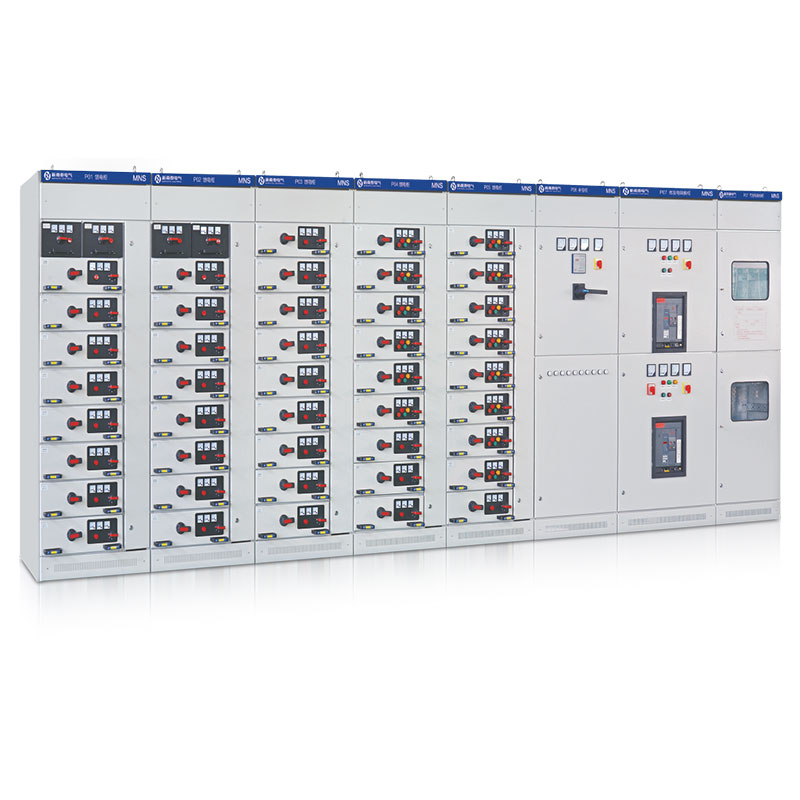


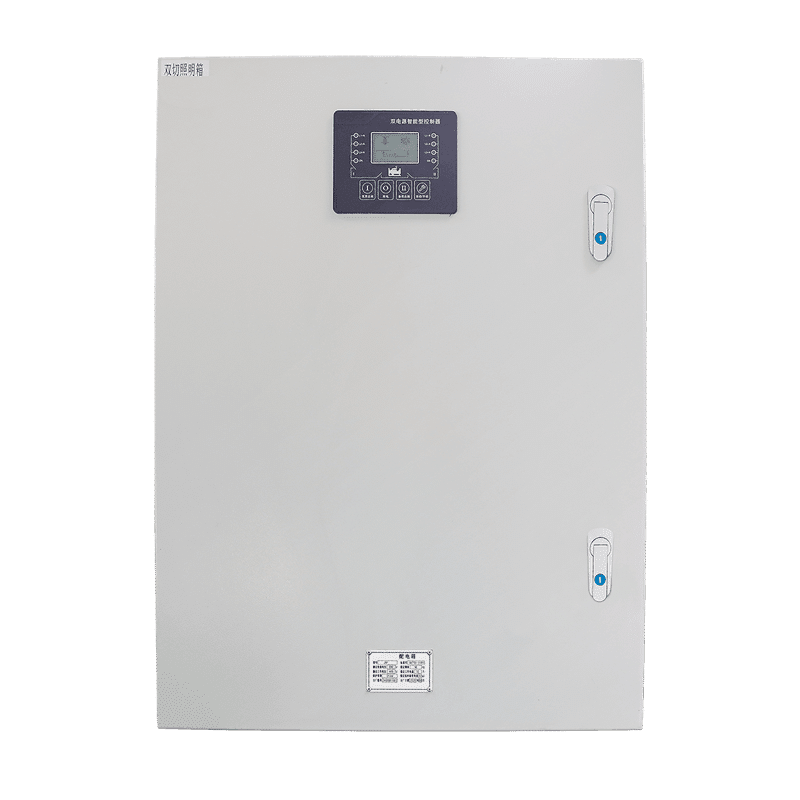


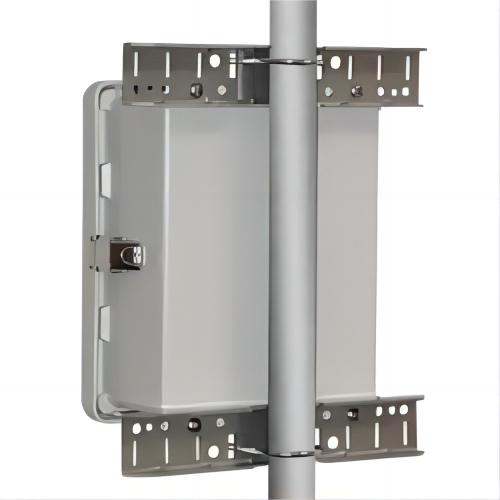


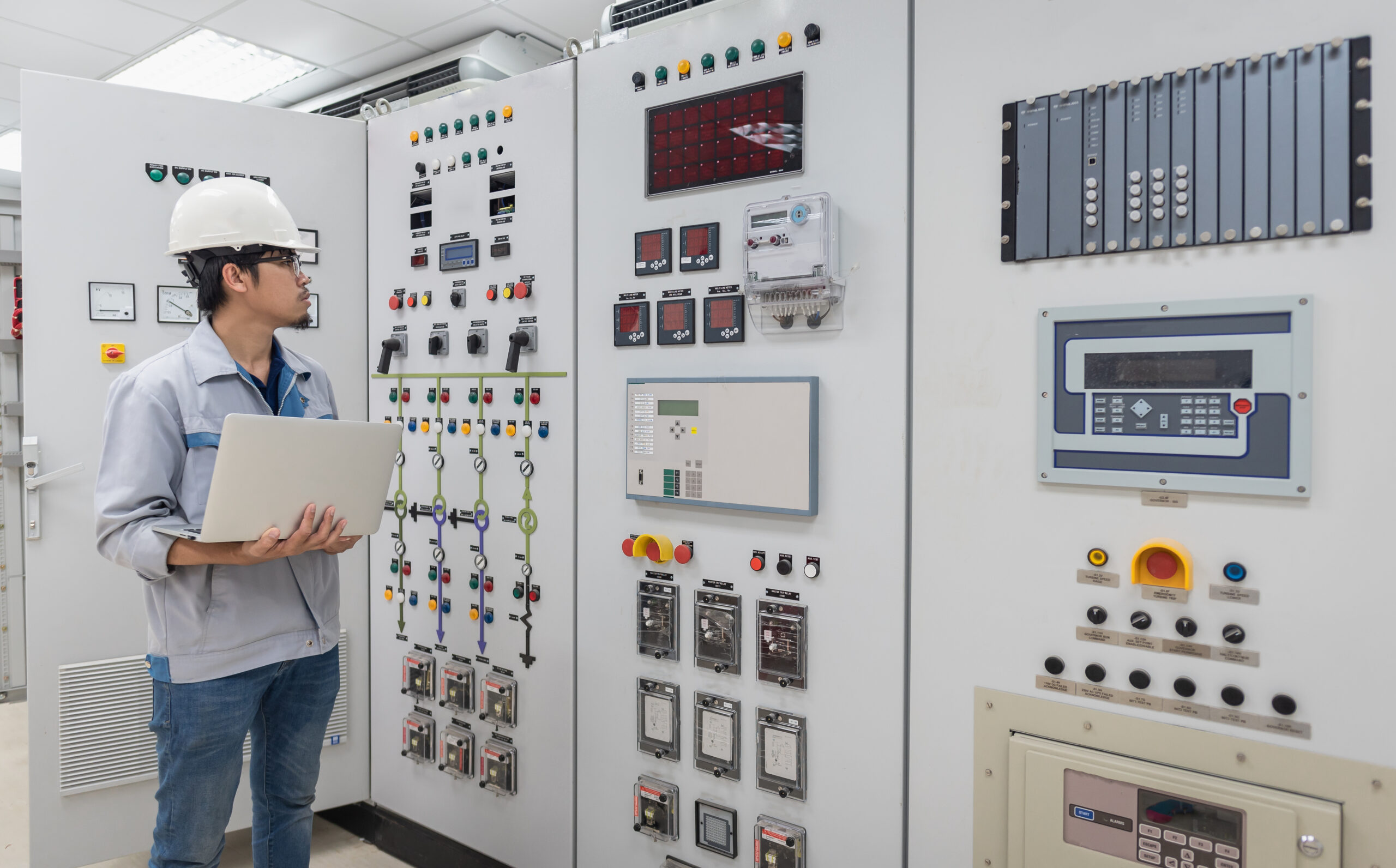
Switchgear maintenance planning is the process of connecting each assembly in a plant to a defined inspection, service, and record-keeping routine before problems appear. The required tasks depend on the equipment type, voltage, switching devices, enclosure, environment, operating duty, manufacturer instructions, and site safety program — there is no single checklist that applies to every lineup. This guide explains how to build the equipment register, what condition checks normally cover, where protection and auxiliary circuits fit, and how responsibility boundaries keep the work safe and auditable.
Why maintenance planning starts before delivery
Maintenance decisions are cheapest when they are made at the specification stage: access clearances, drawout or fixed construction, spare-part commonality, and documentation packages are all locked in by the purchase order. A lineup delivered without a nameplate schedule, without insulation-medium records, or with mixed device families will cost more to maintain for its whole life than one delivered with a complete data pack. Buyers should therefore request the documentation they will need for maintenance as part of the order, not after the first outage.
Build an equipment register
Start with a register for each lineup, section, breaker, switch, relay, meter, transformer interface, cable termination, and auxiliary circuit. Record the manufacturer, model, serial or asset reference, location, service conditions, documentation source, and last maintenance date. Keep the register aligned with the as-built drawings.

| Record | Why it matters |
|---|---|
| Equipment identity | Prevents a checklist from being applied to the wrong assembly |
| Operating environment | Changes inspection frequency and enclosure concerns |
| Manufacturer instructions | Defines equipment-specific inspection and service limits |
| Protection and control records | Links alarms, relays, meters, and trip circuits to the lineup |
| Previous findings | Helps prioritize recurring defects and parts |
| Access and isolation plan | Ensures work is planned within the site safety process |
Visual and condition checks
The maintenance team may inspect enclosure condition, doors, locks, labels, visible contamination, corrosion, moisture, cable entries, vents, heaters, indication, and signs of overheating. The exact inspection method and safe access must follow the site’s approved electrical safety procedure and the equipment manufacturer’s instructions.
Do not treat a visual inspection as proof that a switchgear assembly is electrically safe, correctly rated, or ready for energization. Findings that require testing or de-energized work should be assigned to qualified personnel under the approved procedure.
Protection, control, and auxiliary circuits
Document the condition and service status of protection relays, meters, control power, trip/close circuits, interlocks, shutters, indication, and communication interfaces. The plan should state who verifies settings, who owns the protection study, and how changes are recorded. A generic article should not prescribe relay settings or test intervals for a specific installation.

A practical discipline is version control: every setting change, firmware update, or wiring modification is recorded against the asset number, with the previous state recoverable. Uncontrolled changes to trip circuits are one of the most common root causes discovered after protection failures.
Environment and enclosure concerns
Dust, humidity, condensation, salt, corrosive gases, vibration, and temperature cycling can affect switchgear condition. Record the enclosure environment and inspect the sealing, drainage, heaters, filters, and cable-entry areas where relevant. If the installation has an unusual or hazardous environment, obtain equipment-specific engineering guidance rather than assuming a general maintenance method.
Condensation is a recurring theme in outdoor and unheated rooms; space heaters and their controllers deserve a scheduled function check, because a failed heater is invisible until a moisture event occurs. Sites comparing enclosure strategies can start from the enclosure condensation and ventilation overview, and check sizing questions with the enclosure temperature rise calculator.
Standards referenced in switchgear service practice
- IEC 62271 — the IEC series for high-voltage switchgear and controlgear. Its general parts define rated values, design and construction requirements, and the type-test evidence behind nameplate data — the reference point for what “as designed” means when a service team evaluates condition years later.
- IEEE C37 — the North American switchgear and circuit-breaker standard family, covering ratings, test requirements, and preferred practice for metal-enclosed equipment. Maintenance programs in the NEC market are typically written against the equipment’s C37-based nameplate and instruction books.
- IEC 61439 — for low-voltage assemblies in the same installation, defining the verification regime that determines which routine checks the panel maker performed before delivery.
The maintenance plan does not restate these standards; it uses the nameplate ratings and instruction documents issued under them as the baseline against which condition and serviceability are judged.
Records and escalation
Each maintenance event should record the asset, date, personnel, safe-work reference, observations, measurements if approved, parts used, photographs where permitted, defects, and follow-up owner. Escalate evidence of overheating, moisture ingress, corrosion, mechanical damage, abnormal operation, repeated trips, or protection anomalies to the responsible engineering team.
Planning checklist
- Confirm the asset register and current drawings.
- Review manufacturer instructions and the site safety procedure.
- Define isolation, access, and qualified-person responsibilities.
- Inspect condition and environmental factors within the approved scope.
- Record findings and assign corrective actions.
- Update the maintenance history and equipment documentation.
Frequently asked questions
How often should switchgear be maintained?
Intervals follow the manufacturer’s instructions, the operating duty (number of switching operations), the environment, and the site’s own reliability experience — not a universal calendar. A clean, conditioned indoor room and a dusty outdoor enclosure of the same rating justify different schedules.
Follow-up: what changes the interval besides time?
Operating events do: fault clearings, extended overloads, repeated trips, or a known system disturbance are all triggers for an unscheduled inspection, because stress accumulates per event rather than per month. Record the event count in the register so the interval decision is data-based.
Can maintenance be performed without an outage?
Some tasks can — external visual checks, thermal imaging under load where the safety procedure permits, and reviewing indications. Internal inspection of busbars and switching devices normally requires isolation and a documented safe-work process; anything else is a site-safety decision, not a supplier’s default.
Which spare parts should be stocked?
High-mortality, long-lead items identified from the equipment family: control fuses, auxiliary contacts, heaters, one spare of each breaker type or a withdrawable spare, and sealing kits. The list is built from the register, not from a generic catalogue.
Who is responsible — the manufacturer or the owner?
The owner owns the program and the records; the manufacturer or a qualified service provider executes defined scopes under the site’s safety process. Warranty claims depend on maintenance evidence, which is a further reason to keep records complete from energization onward.
Scope boundary
This guide does not replace an electrical safety program, manufacturer service manual, commissioning procedure, protection study, or test standard. It provides a planning framework so the equipment owner and qualified service team can define the correct scope.
Ordering scenarios
A plant engineering team standardizing a new substation typically orders one initial lineup or section set — for example a medium-voltage incoming panel and a handful of outgoing feeders — together with its complete documentation package and an agreed spare-parts list, then places the balance of the order once installation and routine tests confirm the interface match. The governing constraints here are documentation completeness and the availability of matching spare devices during the first year of operation.
A utility or industrial site replacing aging fixed switchgear in an IEC-referenced market may order replacement lineups against IEC 62271 nameplate data, while a NEC-market plant orders against IEEE C37-based ratings; the maintenance program inherits whichever regime the equipment was bought under. Confirm the standards boundary and the record format at order time, because retrofitting a documentation package years later depends on archives that may no longer match the as-built state.
ElectricalCabinet.net can use the equipment and environment inputs to route a switchgear enquiry toward the appropriate LV, MV, AIS, GIS, RMU, or substation capability — see the electrical switchgear overview for the product families.
 EN
EN