

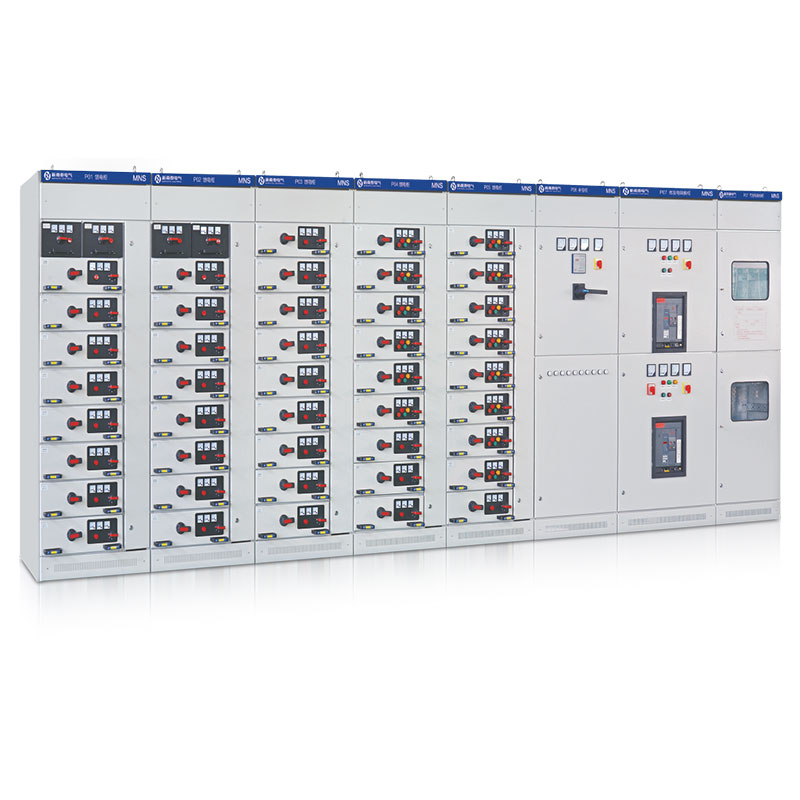


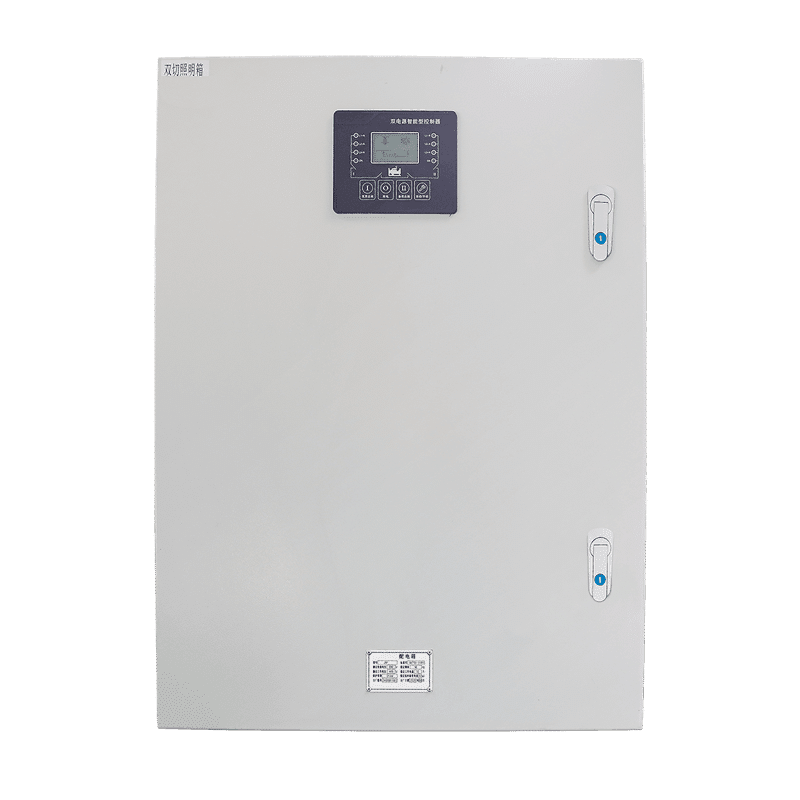


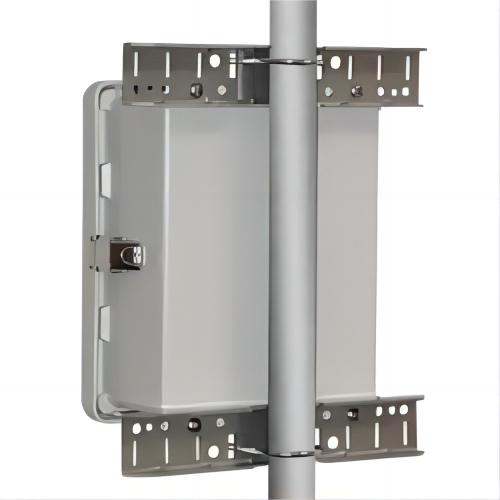



A chemical dosing control system coordinates metering pumps, tanks, valves, instruments, alarms, and operator commands so that the right amount of chemical enters the process at the right time. The control panel is one part of that system: it supplies pump power, executes the dosing logic, and terminates every measurement signal. Designing it well means defining the process first — chemical service, dosing objective, operating modes, measurement points — and only then the cabinet. This guide sets out those planning inputs and the boundaries between the panel, the dosing equipment, and the process engineer.
This guide is for planning inputs. It does not establish chemical compatibility, treatment performance, or a complete water-treatment design.
Start with the process, not the cabinet
A dosing panel quoted before the process is defined will be wrong in one of two ways: oversized for a simple timed application, or unable to host the feedback signals a flow-proportional or analyzer-based scheme needs. The chemical service also drives physical decisions the panel builder cannot make alone — material compatibility of anything wetted, corrosion strategy for anything near the cabinet, and ventilation of the room where the enclosure will live.
Core design inputs
| Input | Questions to confirm |
|---|---|
| Chemical and service | What chemical, concentration, temperature, and material compatibility apply? |
| Dosing objective | Is the system based on time, flow, level, feedback, or a recipe? |
| Pump arrangement | How many pumps, what duty/standby logic, and what feedback are required? |
| Tank and level signals | Which high, low, empty, or overflow conditions must alarm or inhibit dosing? |
| Flow or process feedback | Which instrument confirms flow or process response? |
| Valves and interlocks | Which valves must be open, closed, or proven before a pump runs? |
| Environment | Is the panel indoor, outdoor, wet, corrosive, or exposed to washdown? |
Control architecture
The panel may contain power distribution, pump starters or drives, a PLC or relay controller, signal conditioning, operator controls, alarms, and field terminals. The design should identify which decisions are made by the PLC, which are hardwired interlocks, and which belong to the dosing skid or process system.

For duty/standby pumps, define alternation, lead/lag behavior, failover, manual operation, and alarm reset rules. For flow-proportional dosing, define the source of the flow signal, scaling responsibility, loss-of-signal behavior, and the safe state — whether the pump stops, holds last output, or alarms to the operator. These details must be agreed with the process and instrumentation teams.
A useful documentation habit is a decision table that lists every automatic action, its trigger, its safe state on failure, and its owner. Dosing errors most often trace back to undefined loss-of-signal behavior rather than to component failures.
Pumps, valves, and instrumentation
List each pump, motor, valve, level switch, flow meter, pressure transmitter, analyzer, and local control station. For every device, record the signal type, power requirement, normal state, alarm state, cable route, and interface owner. Do not assume a particular protocol, sensor range, or chemical compatibility from a generic product description.

The panel documentation should include an I/O list, terminal schedule, alarm list, operating sequence, and responsibility matrix. If the dosing equipment supplier provides a local controller, document the handoff between that controller and the main panel — which signals pass, in which direction, and what happens when the link is lost.
Enclosure and environmental planning
Chemical service can affect enclosure material, hardware, cable glands, ventilation, drainage, and maintenance access. Confirm the atmosphere around the cabinet rather than relying only on the chemical name: an indoor dosing room and an outdoor skid beside a chlorine storage area present different corrosion realities even for the same chemical. The required enclosure protection and corrosion strategy must be selected for the actual site conditions and approved materials.
Do not claim a corrosion rating, IP/NEMA rating, hazardous-location suitability, or chemical compatibility without model-specific and project-specific evidence. Where washdown or corrosive atmosphere is expected, stainless or coated enclosures and sealed cable entries are the usual starting point — the stainless steel enclosure and NEMA 4X enclosure pages describe those families, and the NEMA-to-IP converter helps translate between the two rating languages once the specification is known.
Standards relevant to dosing panels
- IEC 61439-1/-2 — the IEC framework for low-voltage assemblies. A dosing panel with power distribution and pump control is an assembly under this series; its verification documents define the ratings and routine tests performed before delivery.
- UL 508A — the industrial control panel standard for the NEC market. Panels shipping to North American plants carry construction and documentation requirements under this standard, including how the marked short-circuit rating is established.
- NEMA 250 / IEC 60529 — the enclosure protection references behind type numbers and IP codes, applied to the complete configured enclosure with its glands, vents, and cooling.
- NFPA 79 — where the dosing panel is the electrical control of industrial machinery in the NEC market, this standard addresses the machine-level wiring environment.
Hazardous-area classification is a separate engineering determination; if the installation area is classified, the equipment selection follows that determination and is outside what a generic panel article can confirm.
Quotation checklist
Provide the process description, chemical and concentration data, pump and valve schedule, tank and instrument list, I/O list, duty/standby sequence, manual/automatic modes, alarm requirements, incoming power, environment, cable entry, drawings, documentation, and commissioning responsibilities. Identify who supplies the dosing skid, instruments, PLC program, and site testing.
Frequently asked questions
Should dosing control be relay-based or PLC-based?
Relay logic suits simple timed or contact-triggered schemes with a handful of signals; a PLC suits flow-proportional control, duty/standby alternation, analyzer feedback, recipe changes, and remote monitoring. The decision follows the I/O count and the control ambition, not the panel size.
Follow-up: if we start relay-based and later need flow-proportional dosing, can the panel be converted?
Usually only partially. The power section and field terminals survive, but the controller, signal conditioning, and much of the wiring change. It is cheaper to reserve space, spare terminals, and a power supply margin for a future PLC at the original order than to rebuild later.
Who owns the dosing setpoint?
The process engineer. The panel provides the interface — local setpoint entry, remote setpoint input, or a SCADA write — and executes the logic; the value and its authority limits come from the treatment design, which should be documented alongside the panel.
What happens when a level or flow signal fails?
Whatever the specification says, which is why it must say something. Common choices: stop dosing and alarm, hold last output for a defined period, or fall back to timed dosing. Each is defensible; an undefined behavior is not.
Does the panel need to be NEMA 4X?
Only where the environment demands it — washdown, hose-directed cleaning, or corrosive atmosphere. Indoor, dry dosing rooms commonly use lighter constructions. Select for the actual atmosphere, and confirm the rating for the configured assembly, not from a photograph.
Boundaries of this guide
This article does not calculate dosage, select a chemical pump, certify a treatment result, or promise a completed wastewater project. It describes the information needed to define a control-panel scope responsibly.
ElectricalCabinet.net can use these inputs to route a chemical-dosing enquiry to the appropriate PLC, VFD, water-treatment, and enclosure capabilities after the process requirements are confirmed.
Ordering scenarios
A municipal water-treatment contractor usually orders dosing panels in small matched sets — one per chemical skid — with the first skid’s panel delivered early so the interface between the skid controller and the plant SCADA can be proven before the remaining skids ship. The binding constraints are the I/O freeze date and instrument delivery, because a panel built against a preliminary I/O list will need rework when the final instruments differ.
An industrial plant exporting packaged dosing systems faces a standards fork: the same panel may need UL 508A construction and documentation for a NEC-market buyer and IEC 61439 verification documents for an IEC-market buyer, with enclosure ratings quoted in NEMA types for one and IP codes for the other. Fixing this split in the first order — typically one prototype panel per destination — keeps the series production from stalling at documentation review.
 EN
EN