

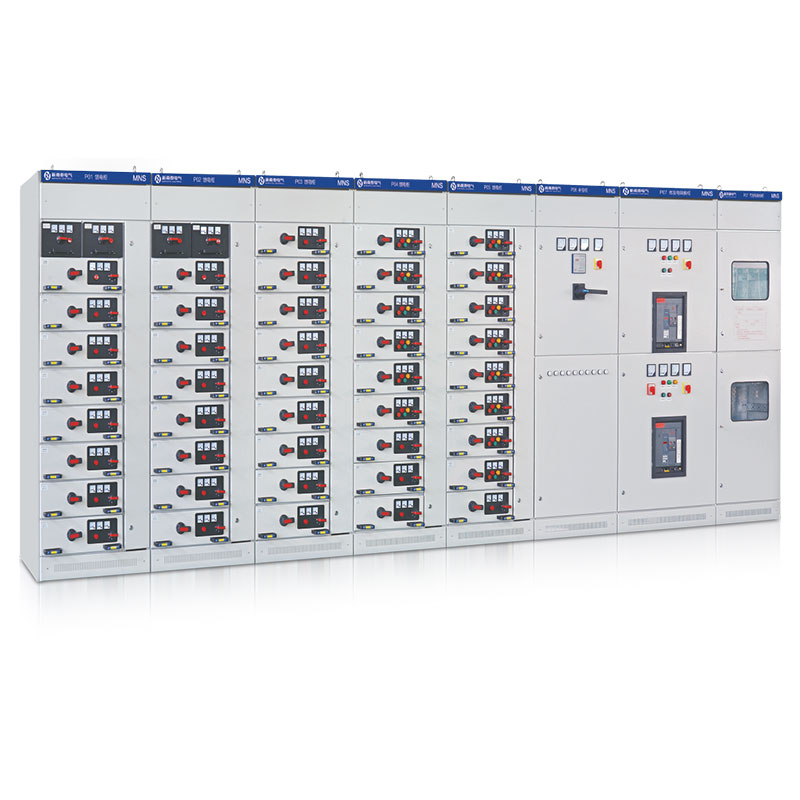


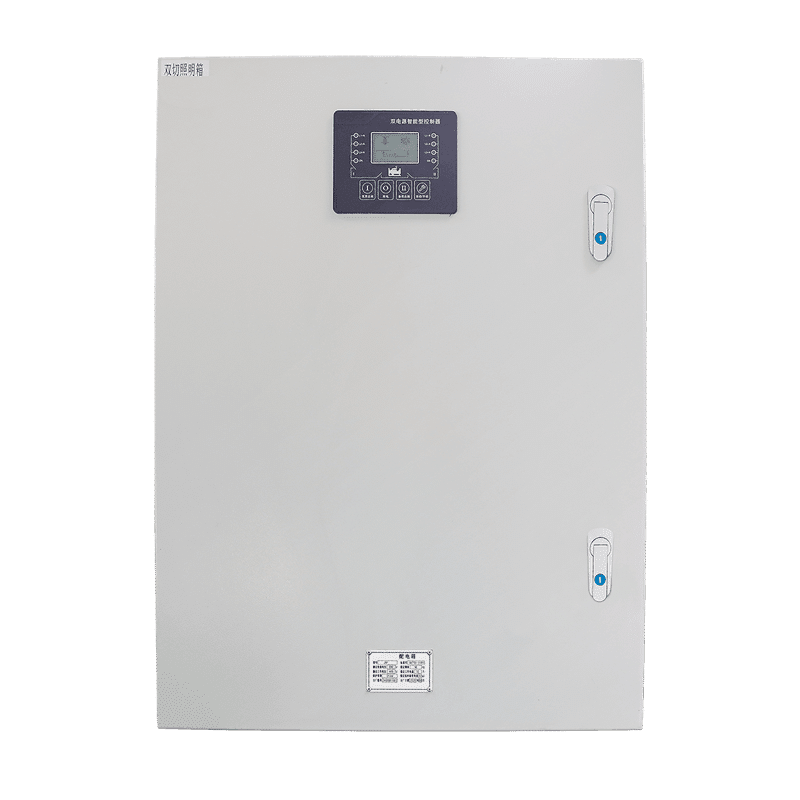


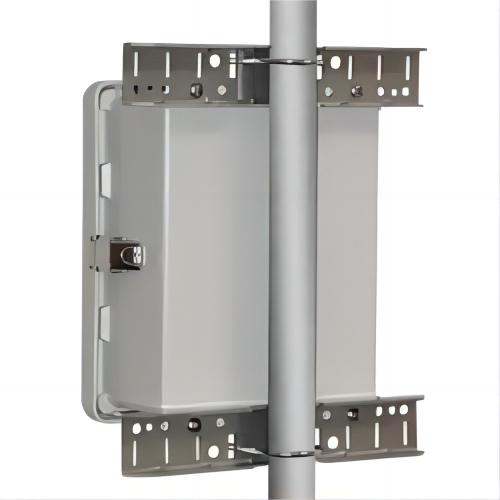


Frequency Converter Electrical Cabinet manufacturer
A frequency converter electrical cabinet — VFD panel — houses variable frequency drives with their input protection, reactors, cooling, and bypass or soft-start options in one engineered enclosure. Built correctly, it keeps drives cool, limits harmonic feedback onto the supply, and gives operators local speed control and status for pumps, fans, compressors, and conveyors.
We build frequency converter cabinets to your motor list and duty cycle, matching drive sizing, thermal design, and enclosure class to the installation. ElectricalCabinet has built electrical enclosures and control systems since 2010, delivering more than 4,000 projects for industrial clients. Our fabrication covers CNC punching, bending, and welding, with custom cutouts, sizes, and surface finishes built to your drawings. Single-drive wall cabinets through multi-drive free-standing suites are both standard work, with pump-station and HVAC variants among our most repeated builds.
Frequency Converter Electrical Cabinet Products

Frequency Converter Fan Electrical Cabinet

250KW Frequency Converter Electrical Cabinet

Air Conditioning Frequency Converter Electrical Cabinet

Frequency Converter Anti-Seismic Electrical Cabinet

Domestic Water Supply Electrical Cabinet

ABB Frequency Converter Electrical Cabinet

Single Machine Frequency Converter Electrical Cabinet

Ball Mill PLC Frequency Converter Electrical Cabinet

One Control Two Air Conditioning Electrical Cabinet

One Control Three Pressure Water Supply Control Cabinet

One Control Two Frequency Converter Fan Electrical Cabinet

Screw Extrusion Equipment Frequency Converter Electrical Cabinet

Double-Door Fan Electrical Cabinet

Roots Blower Frequency Converter Electrical Cabinet

Integrated Frequency Converter Electrical Cabinet

Stainless steel Frequency Converter Electrical Cabinet
Frequency Converter Electrical Cabinet Manufacturing Process
Electrical Planning and Designing
The initial stage of developing an electrical cabinet demands a careful examination of the product specs and client needs.
Component Layout And Design
This process entails carefully positioning each component to balance performance, security, and simplicity of use.
Installation and Wiring
Wiring work must follow best practices and safety practices,Correct installation and wiring procedures are critical for assuring the safety and efficiency of equipment operation.
Testing and Quality Control
Electrical cabinets' design and performance are validated by a number of tests to verify that all components behave as intended and meet safety requirements in real operation.
Documentation and Maintenance Guide
A detailed operation and maintenance manual is provided for the long-term use and maintenance of the electrical cabinet, including troubleshooting guides and routine maintenance schedules.
General Applications of Frequency Converter Electrical Cabinet


Key Aspects Of Frequency Converter Electrical Cabinet Manufacturing
- Improving the size and planning to fit all the parts
- Being able to get to for repairs and maintenance
- IP (Ingress Protection) scores for various settings
- Protection for EMC (Electromagnetic Compatibility)
- Stainless steel for places where metals rust
- Mild steel that has been powder-coated for general industrial use
- Fiberglass or plastic for certain uses
- Figuring out the heat load
- Active cooling systems (fans, air coolers)
- Passive cooling systems (heat sinks, vents)
- Monitoring and alarms for temperature
- Main breakers and switches for disconnecting
- Control transformers
- Contactors and switches
- Combining PLC for more powerful control
- Buttons to press in case of an emergency
- Rules for lockout and tagout
- Protection from arc flash
- Labels and warning signs that are correct
- UL/CSA certifications for North America
- CE marking for European markets
- Industry-specific standards (e.g., ATEX for explosive atmospheres)
- CNC cutting for accurate holes
- Assembly lines with computers
- Points of quality control
- Tests for electrical insulation
- Testing for environmental stress
- All parts are functionally tested

Another Electrical Control Panels
Low Voltage Distribution Cabinet
Low Voltage Distribution Cabinet Manufacturer Get A Quote Low voltage distribution cabinets take power from the transformer secondary and divide
Water Supply Equipment Control Cabinet
Water Supply Equipment Control Cabinet Manufacturer Get A Quote Home Water Supply Equipment Control Cabinet Products Box Type Frequency Conversion
Fire Fan Control Cabinet
Fire Fan Control Cabinet Manufacturer Get A Quote Home Fire Fan Control Cabinet Products Single Speed Dual Power Supply Fire
Fire Electrical Control Cabinet
Fire Electrical Control Cabinet Manufacturer Get A Quote Fire Electrical Control Cabinet Products One Control Four Fire Inspection Control Cabinet
PLC Control Cabinet
PLC Control Cabinet Manufacturer Get A Quote A PLC control cabinet is the nerve center of an automated line —
Key Specifications & Options
The configuration below reflects the options we build to order for frequency converter (VFD) electrical cabinets. Every parameter can be adjusted to match your drawings and site conditions — send us your requirements and our engineers will confirm what applies to your project.
| Parameter | Options / Typical Range |
|---|---|
| Drive scope | Single- and multi-drive cabinets sized to your motor list and duty cycle |
| Power range | Built to the drives your process specifies — from fractional fans to large pump sets |
| Input protection | Circuit breakers or fuses, contactors, and reactors as the design requires |
| Harmonic mitigation | DC chokes, line reactors, or filters selected per installation |
| Cooling | Filtered fans, heat exchangers, or cabinet air conditioning sized to drive losses |
| Control options | Local keypads, remote control terminals, and BMS/PLC integration |
| Enclosure options | Carbon steel or stainless; IP54–IP66; wall or free-standing executions |
| Typical applications | Pumping stations, HVAC, compressors, conveyors, and production line drives |
Frequently Asked Questions
How is the drive sized for my motor?
We size from the motor’s rated current, load type, and duty cycle rather than nominal power alone — quadratic loads like pumps and fans allow different margins than constant-torque conveyors. Send your motor list and we confirm drive and cabinet sizing.
Does the cabinet need cooling?
Almost always. Drives dissipate a few percent of throughput power continuously; filtered fans cover most indoor cases, while sealed or dirty environments move to heat exchangers or cabinet coolers. We calculate the thermal balance with your ambient data.
Can the cabinet include bypass or soft-start?
Yes — bypass contactors for essential services and soft-starters for fixed-speed backup are common additions. The cabinet layout reserves space and isolation for these options when specified.
Can drives from different brands be mixed?
Yes, though we usually recommend one platform per cabinet for maintenance simplicity. Where a mixture is fixed by existing site standards, we integrate accordingly and mark the differences clearly in documentation.
Related Guides
- VFD Control Panel Design: What to Define Before Selecting a Panel — the decisions to lock down before a VFD panel is quoted
- VFD Control Panel Components: What Each Part Does in the Design — what each component in the cabinet contributes
- VFD Pump Control Panel Selection: Inputs to Define Before Quotation — pump-duty specifics that change the panel design
- Industrial Control Panel Surge Protection: Planning and Selection Inputs — protecting drives from transient overvoltages
 EN
EN