







IP67 Electrical Enclosure Rating
IP67 electrical enclosures are designed to provide the highest level of protection for electrical equipment against dust and temporary immersion in water.
What is IP67 Enclosure Rating?
IP67 electrical inclosures fit a range of indoor and outdoor uses as they offer the best degree of protection against dust and transient water immersion. These inclosures are perfect for settings where machinery is subjected to strong dust and wetness, therefore guaranteeing the lifetime and safety of your electrical installations.

A IP67 Enclosure For Your Application
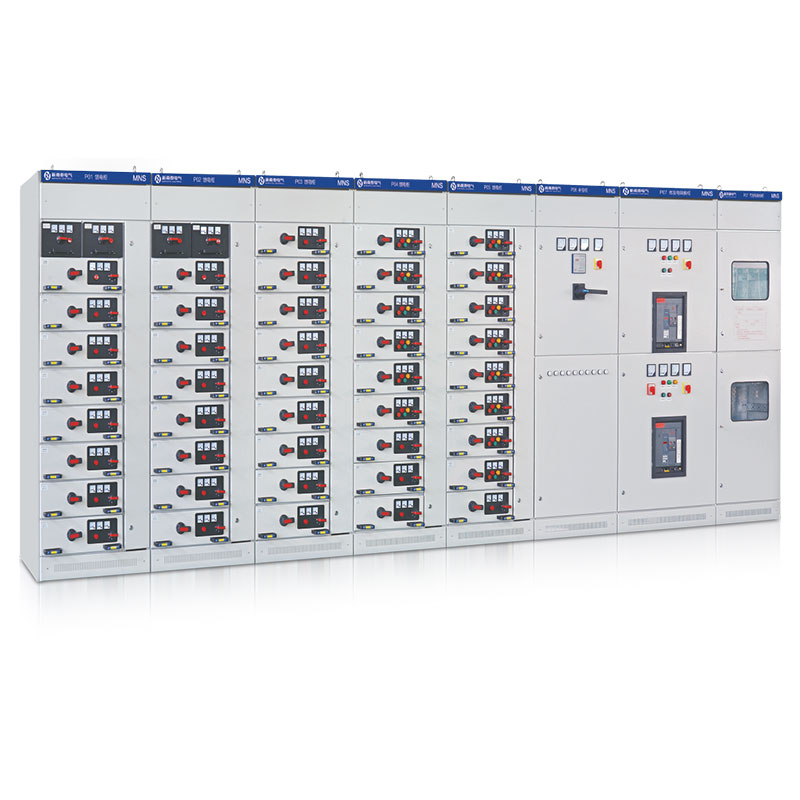
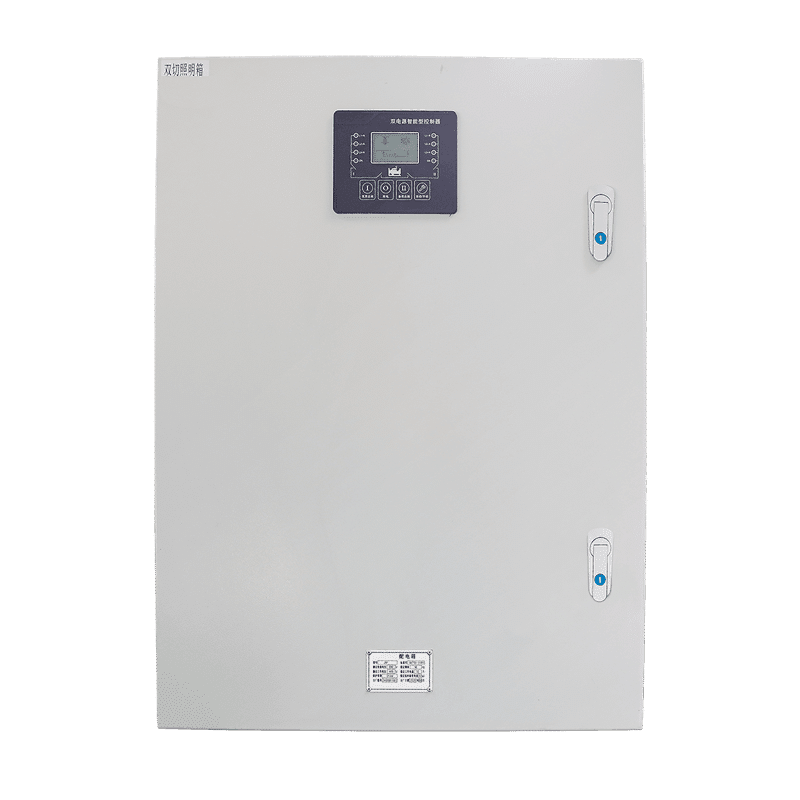
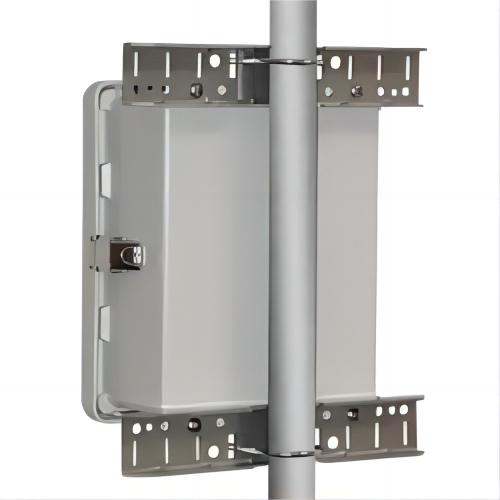
Some of the basic types of IP67 electrical enclosures that you’ll find on the market today include:
Where equipment may end up under water, IP67 electrical enclosures give the sealed answer: dust-tight (first digit 6) and rated for immersion to 1 metre for 30 minutes (second digit 7). Typical duty includes flood-exposed utilities, tunnel and underpass services, wash-down zones that pool, and transportable equipment that must survive the wet.
Every IP67 body we fabricate is treated as a sealed system — welded or formed monocoque, compression gasket closures, immersion-rated entries — with the layout inside built to your drawings. ElectricalCabinet has fabricated enclosures since 2010 — more than 4,000 delivered projects built on CNC punching, bending, and welding lines, with every box finished to customer drawings.
Features of IP67 Enclosure
- Ingress Protection (IP) Rating: The "IP" in IP67 refers to Ingress Protection, while the "67" represents the level of protection. The first digit, "6", denotes total dust protection. The second digit, "7," denotes protection against brief immersion in water up to 1 meter for 30 minutes.
- Dust Protection: IP67 enclosures provide entire dust protection, guaranteeing that the enclosed equipment is fully free of dust infiltration.
- Water Protection: These enclosures offer strong protection against transient immersion in water, making them appropriate for locations where equipment may be submerged for short periods.
- Construction: These enclosures are often made of robust materials such as steel, aluminum, or plastic and are intended to endure harsh climatic conditions while providing long-term protection.
Advantages And Disadvantages For IP67 Enclosure
Advantages
- Comprehensive Protection: Provides dependable protection against dust and temporary water immersion, extending the life and usefulness of the enclosed equipment.
- Versatile Use: Ideal for a variety of indoor and outdoor applications in industrial and commercial environments.
- Durable Construction: Made with strong materials that can endure weather conditions and give long-term protection.
Disadvantages
- Not Designed for Continuous Water Immersion: IP67 enclosures are not meant for this kind of immersion.
- Installation Considerations: Maintaining the IP67 certification and guarantees complete protection depends on proper installation.
Custom Your IP67 Enclosure
Our custom IP67 enclosures offer reliable protection against dust and temporary water immersion, making them ideal for both indoor and outdoor applications. Choose from a variety of sizes, materials, and additional features to ensure your electrical equipment is safeguarded in any environment.
Learn how to select the right size and material for your needs. Contact us for more information!
Related IP Enclosure Ratings
IP55 Electrical Enclosure
IP55 Electrical Enclosure Rating IP55 electrical enclosures offer reliable protection against solid objects and water splashes. Get A Quote What
IP68 Electrical Enclosure
IP68 Electrical Enclosure Rating IP68 electrical enclosures offer reliable protection against solid objects and water splashes. Get A Quote What
IP57 Electrical Enclosure
IP57 Electrical Enclosure Rating IP57 electrical enclosures offer reliable protection against solid objects and water splashes. Get A Quote What
IP65 Electrical Enclosure
IP65 Electrical Enclosure Rating IP65 electrical enclosures offer reliable protection against solid objects and water splashes. Get A Quote What
IP56 Electrical Enclosure
IP56 Electrical Enclosure Rating IP56 electrical enclosures offer reliable protection against solid objects and water splashes. Get A Quote What
IP54 Electrical Enclosure
IP54 Electrical Enclosure Rating IP54 electrical enclosures offer moderate protection against solid objects and limited protection against water splashes, making
Key Specifications & Options
The configuration below reflects the options we build to order for IP67 electrical enclosures. Every parameter can be adjusted to match your drawings and site conditions — send us your requirements and our engineers will confirm what applies to your project.
| Parameter | Options / Typical Range |
|---|---|
| Ingress rating (IEC 60529) | IP67 — dust-tight; immersion to 1 m for 30 minutes |
| Typical applications | Flood-exposed utilities, tunnels and underpasses, pooling wash-down zones, wet-transport equipment |
| Body material options | Stainless 304/316L, sealed aluminum, coated steel with enhanced seam treatment |
| Construction | Continuous welded seams dressed; monocoque or fully gasketed assemblies |
| Cable entries | Immersion-rated glands; minimized penetrations; internal drainage paths where specified |
| Wall thickness | Typically 1.5–3.0 mm |
| Customization | Interiors, cutouts, windows, mounting kits, and labeling to drawing |
| Next step up | IP68 for continuous immersion conditions defined between customer and manufacturer |
Frequently Asked Questions
IP67 vs IP68 — what is the actual boundary?
IP67 is a fixed test: 1 metre, 30 minutes. IP68 is open-ended — depth and duration are agreed between manufacturer and buyer for continuous immersion. Deep or permanent submersion needs an IP68 specification.
IP67 vs IP65 — is it always better?
Not automatically. IP65 already covers dust and jets; IP67 adds short submersion. If your site never floods, IP65 costs less and eases thermal management. Match the rating to the water event, not the bigger number.
How do cable entries hold under immersion?
We use immersion-rated glands and treat each penetration as part of the seal system; entry count and position are reviewed at drawing stage to limit risk.
Are high-pressure wash jets covered?
Standard IP67 does not define high-pressure, high-temperature cleaning — that is the IP69/IP69K domain. For hot wash-down duty we review the full duty cycle with you.
Related Guides
- IP68 vs IP69 Enclosures: Immersion, High-Pressure Cleaning, and Selection Inputs — where IP69 begins and IP67 ends in wash plants
- Conformal Coating vs Waterproof Enclosures: What Each Protection Layer Does — coating versus enclosure as the protection layer
- IP65 Electrical Enclosure — the jet-water rating when flooding is not a risk
- IP68 Electrical Enclosure — continuous immersion specification
 EN
EN