







IP57 Electrical Enclosure Rating
IP57 electrical enclosures offer reliable protection against solid objects and water splashes.
What is IP57 Enclosure Rating?
IP57 electrical enclosures are designed to protect electrical equipment against dust and transient immersion in water. These enclosures are appropriate for use in locations where equipment may be subjected to substantial dust and occasional submersion.

A IP57 Enclosure For Your Application
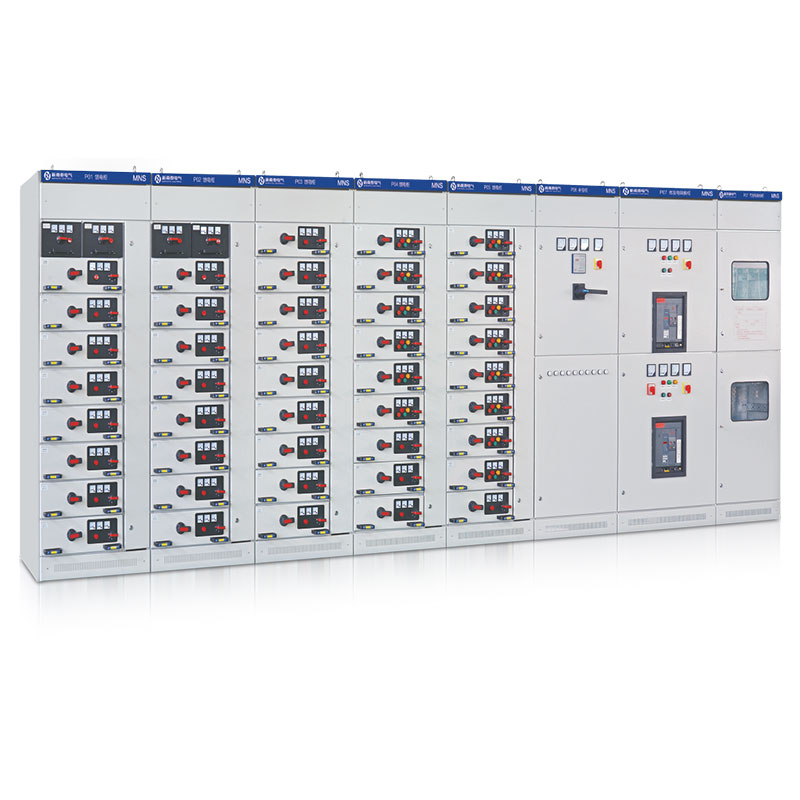
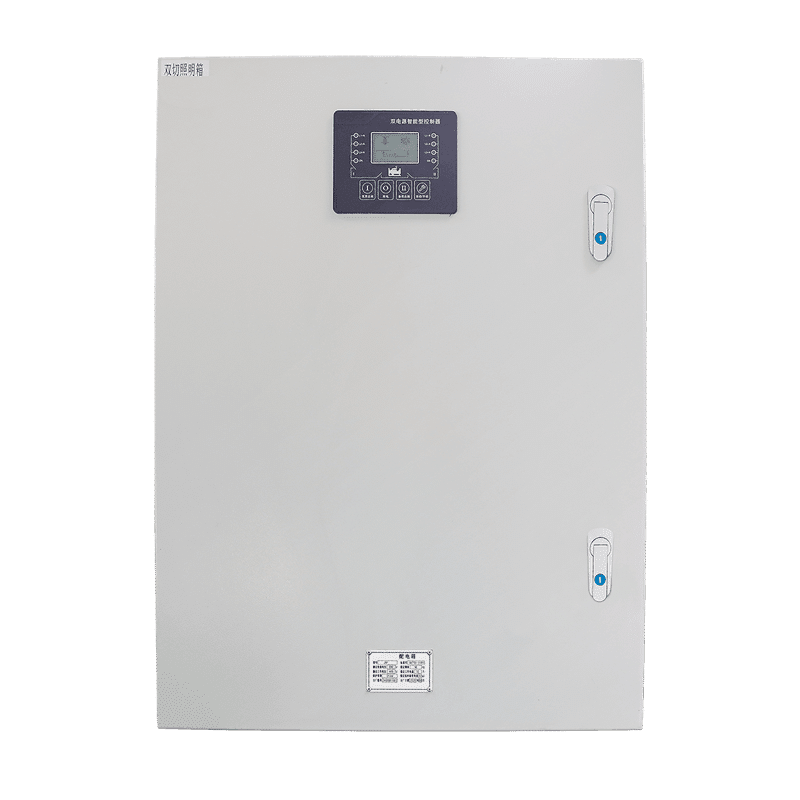
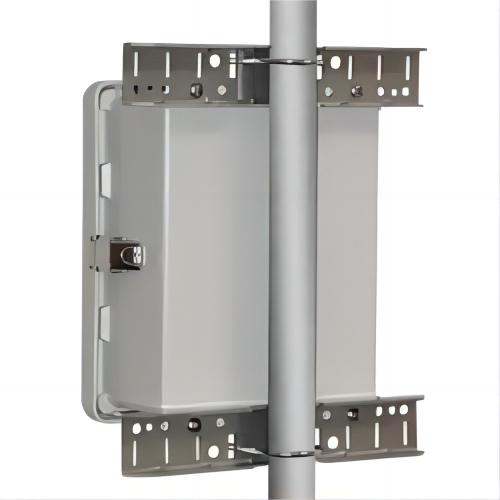
Some of the basic types of IP57 electrical enclosures that you’ll find on the market today include:
An IP57 electrical enclosure covers the awkward zone between hosing and diving: dust-protected (first digit 5) plus short-time immersion to 1 metre for 30 minutes (second digit 7). That profile fits wash-down rooms that flood briefly, pits and basements with seasonal water, and equipment carried or stored in wet conditions.
Immersion integrity depends on details we control in fabrication — gasket compression, seam welding, and gland sealing — so each IP57 build is engineered, documented, and pressure-conscious from the first drawing. Our shop has produced custom electrical enclosures for over 15 years and 4,000+ projects, combining CNC punching, bending, and welding with build-to-print customization.
Features of IP57 Enclosure
- Ingress Protection (IP) Rating: The "IP" in IP57 refers to Ingress Protection, while the "57" specifies the level of protection. The first digit, "5", shows adequate protection against dust intrusion to prevent hazardous deposits. The second digit, "7," represents protection against temporary immersion in water.
- Dust Protection: IP57 enclosures provide excellent dust protection, keeping the enclosed equipment free of dangerous dust deposits.
- Water Protection: These enclosures offer strong protection against transient immersion in water, making them appropriate for locations where equipment may be submerged for short periods.
- Construction: These enclosures are often made of robust materials such as steel, aluminum, or plastic and are intended to endure harsh climatic conditions while providing long-term protection.
Advantages And Disadvantages For IP57 Enclosure
Advantages
- Comprehensive Protection: Provides dependable protection against dust and temporary water immersion, extending the life and usefulness of the enclosed equipment.
- Versatile Use: Ideal for a variety of indoor and outdoor applications in industrial and commercial environments.
- Durable Construction: Made with strong materials that can endure weather conditions and give long-term protection.
Disadvantages
- Not Suitable for Continuous Immersion: IP57 enclosures are not intended for continuous water immersion.
Limited Protection - Against tiny Dust: While it provides adequate dust protection, tiny dust particles may still penetrate in some instances.
Custom Your IP57 Enclosure
When choosing an IP57 electrical inclosure, consider the unique environment, the size and kind of equipment to be housed, and any additional needs for dust and water protection.Our unique IP57 inclosures protect against dust and transient water immersion, making them ideal for both indoor and outdoor applications. Choose from a range of sizes, materials, and extra features to keep your electrical equipment safe in any setting.
Learn how to select the right size and material for your needs. Contact us for more information!
Related IP Enclosure Ratings
IP55 Electrical Enclosure
IP55 Electrical Enclosure Rating IP55 electrical enclosures offer reliable protection against solid objects and water splashes. Get A Quote What
IP65 Electrical Enclosure
IP65 Electrical Enclosure Rating IP65 electrical enclosures offer reliable protection against solid objects and water splashes. Get A Quote What
IP68 Electrical Enclosure
IP68 Electrical Enclosure Rating IP68 electrical enclosures offer reliable protection against solid objects and water splashes. Get A Quote What
IP44 Electrical Enclosure
IP44 Electrical Enclosure Rating IP44 electrical enclosures offer reliable protection against solid objects and water splashes. Get A Quote What is
IP54 Electrical Enclosure
IP54 Electrical Enclosure Rating IP54 electrical enclosures offer moderate protection against solid objects and limited protection against water splashes, making
IP67 Electrical Enclosure
IP67 Electrical Enclosure Rating IP67 electrical enclosures are designed to provide the highest level of protection for electrical equipment against
Key Specifications & Options
The configuration below reflects the options we build to order for IP57 electrical enclosures. Every parameter can be adjusted to match your drawings and site conditions — send us your requirements and our engineers will confirm what applies to your project.
| Parameter | Options / Typical Range |
|---|---|
| Ingress rating (IEC 60529) | IP57 — dust-protected; immersion to 1 m depth for 30 minutes |
| Typical applications | Flood-prone basements and pits, wet processing rooms, equipment subject to temporary submersion |
| Body material options | Stainless steel 304/316, aluminum with sealed seams, coated carbon steel for milder duty |
| Sealing system | Continuous welded or formed body; compression gasket doors rated for immersion |
| Cable entries | Immersion-rated glands; sealed membranes and drip management where specified |
| Wall thickness | Typically 1.5–3.0 mm |
| Customization | Drain provisions, mounting frames, interior layout, and labeling to your documentation |
Frequently Asked Questions
IP57 vs IP67 — does the first digit matter?
Both survive 1 m for 30 minutes. The dust digit differs: IP67 is fully dust-tight, IP57 is dust-protected. In fine-dust plus immersion duty — slurry areas, coastal mud — IP67 is the more complete seal.
IP57 vs IP65 — immersion or jets?
They answer different water events. IP65 handles directed jets indefinitely; IP57 handles brief submersion. Many real flood events combine both, which is why IP67 (jets plus immersion) often wins over either single rating.
How do you keep cable entries sealed under immersion?
Glands are selected with immersion ratings, entry plates are welded or gasketed as a system, and penetrations are minimized. Entry planning is part of the drawing review.
Can interiors be delivered fitted out?
Yes — back pans, rails, and terminals installed before shipping, with cutouts prepared for your devices.
Related Guides
- IP68 vs IP69 Enclosures: Immersion, High-Pressure Cleaning, and Selection Inputs — how immersion classes extend upward beyond IP67
- Membrane Cable Glands: Sealing and Cable-Entry Planning — sealed cable entry planning for wet duty
- IP67 Electrical Enclosure — the dust-tight immersion rating for combined duty
 EN
EN