

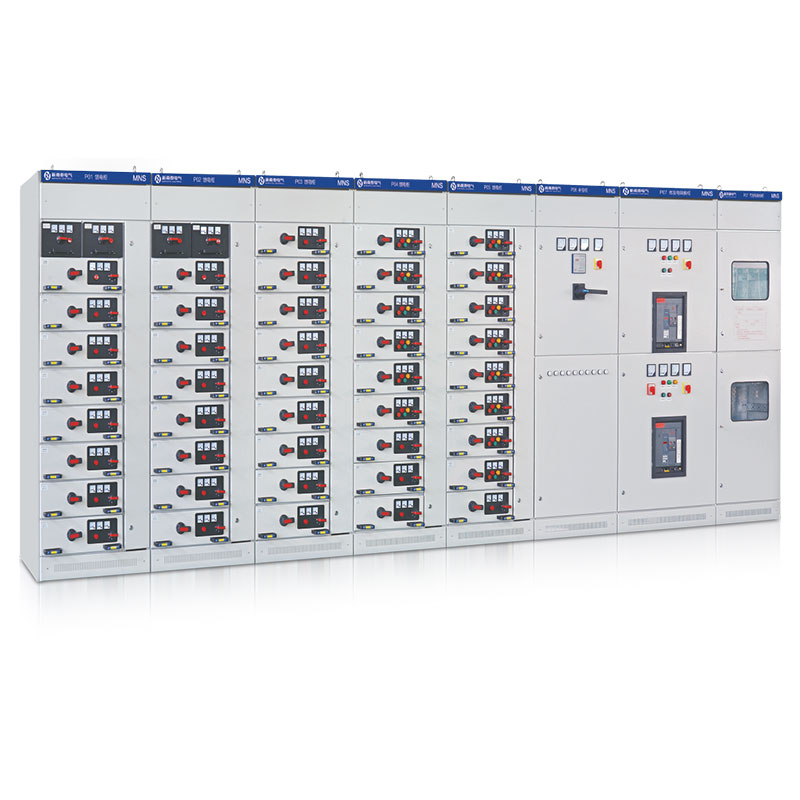


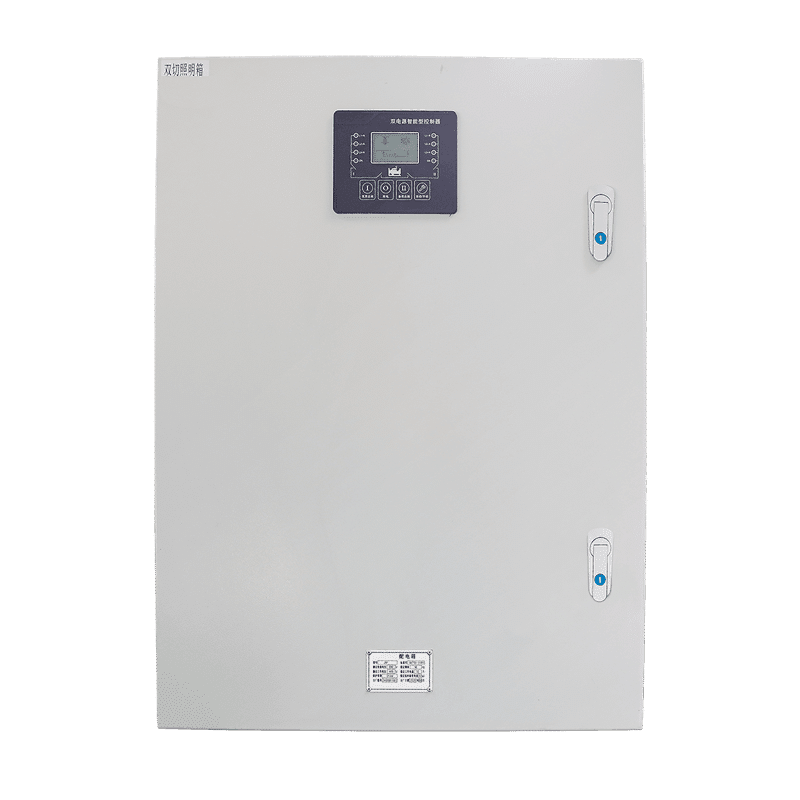


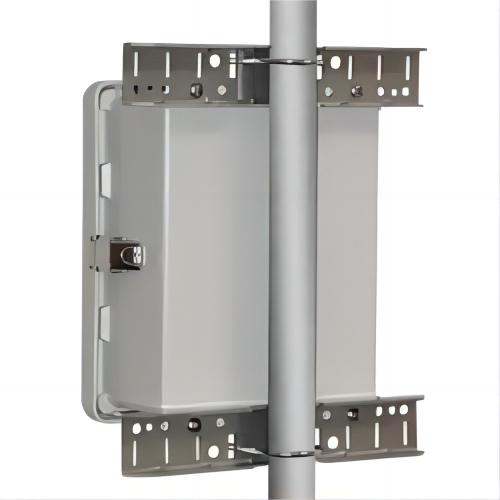



Electrical enclosure condensation and ventilation are two halves of one problem: a cabinet must shed the heat its components generate while keeping moisture out of the air inside. A sealed box traps heat and can still collect condensation when its surfaces cycle below the dew point; an open box invites humid, dusty air that corrodes and shorts the same components. The correct solution depends on the enclosure location, heat load, sealing requirement, maintenance practice, and the components inside. This guide explains how condensation forms, compares the ventilation and cooling options, and lists the inputs needed to choose between them responsibly.
Why condensation and heat need to be considered together
An electrical enclosure protects components from the surrounding environment, but a sealed box can also trap heat and moisture. Condensation risk often appears when the enclosure surface or internal air falls below the dew point. Ventilation can reduce heat buildup, yet an opening can also admit humid air, dust, or water. Treating heat and moisture as one design question — rather than adding a fan for one and a heater for the other after the fact — is what separates a planned enclosure from a modified one.
Start with the environment
Before selecting vents, heaters, fans, or a different enclosure, record the installation conditions:
| Input | Why it matters |
|---|---|
| Indoor or outdoor location | Outdoor cabinets see larger temperature and humidity swings |
| Minimum and maximum ambient temperature | Determines condensation and cooling conditions |
| Humidity, washdown, rain, dust, and corrosive exposure | Affects enclosure construction and opening strategy |
| Solar exposure and mounting orientation | Can increase the external and internal temperature |
| Internal heat sources | Drives the need for passive or active heat management |
| Cable entries and unused openings | Poor sealing can defeat the intended enclosure protection |
Do not infer an IP or NEMA result from a photograph. The final rating depends on the complete enclosure, doors, gaskets, glands, vents, mounting, and installation details.
How condensation forms
Condensation can occur when warm, humid air is trapped in a cabinet and the internal surface cools below its dew point. Daily temperature cycling, nighttime cooling, rain, washdown, and repeated door opening can all contribute. A small amount of moisture can still affect terminals, circuit boards, bus connections, and metallic surfaces over time.
The mechanism matters for the fix: moisture that enters as humid air condenses when the temperature drops, so the countermeasures are either to keep the internal temperature above the dew point (heating), to exchange the air on controlled terms (filtered ventilation), or to exclude air exchange entirely (closed-loop construction with equalization devices). Each addresses a different entry path.
The first design question is not “which fan should be installed?” It is “where can moisture enter, where can it collect, and how will the cabinet temperature change during the operating cycle?”
Passive ventilation
Passive vents, filtered openings, and pressure-equalization devices can help exchange air or reduce pressure cycling without adding a motor. They are useful only when their environmental protection and installation orientation match the application. A vent installed on a surface exposed to direct spray may create a different risk from a vent placed in a protected position.

Check the vent material, filter access, drainage path, opening location, and compatibility with the enclosure construction. A vent is not automatically suitable for an outdoor, corrosive, or washdown environment.
Forced ventilation and cooling
Fans and filters can remove heat when the surrounding air is cooler and clean enough to use. They require a maintenance plan for filters, bearings, electrical connections, and airflow paths. If the ambient air is hot, wet, dusty, or corrosive, forced ventilation may transfer the problem into the enclosure rather than solve it.
For higher internal heat loads, an enclosure air conditioner, heat exchanger, or other closed-loop method may be considered. The selection must be based on a heat-load calculation and the actual environmental conditions. Do not select a cooling method from enclosure dimensions alone. For the first sizing step, the enclosure temperature rise calculator estimates the internal temperature from the heat load and enclosure surface.
Condensation-control options compared
| Method | Best suited for | Limitation to check |
|---|---|---|
| Gasketed sealed construction | Wet, dusty, or corrosive environments | Traps internal heat and any trapped moisture; needs a thermal plan |
| Passive vents / equalization devices | Moderate climates with low contamination | Admits air on the vent’s own terms; orientation and spray exposure matter |
| Filtered forced ventilation | Higher heat loads in clean, dry ambients | Filter maintenance; unsuitable for humid or corrosive air |
| Anti-condensation heater | Cold swings and night-to-morning cycling | Adds heat and power draw; does not fix water ingress |
| Closed-loop cooling (heat exchanger / A/C) | High heat in contaminated or humid environments | Cost, power, and service requirements |
The option must be checked against the components, available power, control method, maintenance access, and the required enclosure protection.
Standards behind the ratings quoted
- IEC 60529 — defines the IP code: the first digit grades solid-object and dust protection, the second digit grades water protection. The code applies to the enclosure as a tested assembly, so a field-drilled vent changes the conversation.
- NEMA 250 — defines enclosure types for North America, including environmental considerations such as corrosion and ice that the IP code does not address. Ratings are defined per type and configuration.
- UL 50E — supplementary enclosure requirements, including corrosion-protection evaluation, applied when UL-marked enclosures are specified for the NEC market.
To translate between the two rating languages during specification, use the NEMA-to-IP converter as a bridge, then confirm the target rating for the exact configured product. Enclosure material options for corrosive or outdoor sites are compared on the stainless steel enclosure page.
Common selection mistakes
- Adding a fan without checking whether the outside air is humid or contaminated.
- Drilling a vent after the enclosure rating has been selected without re-evaluating the assembly.
- Treating a heater as a substitute for correcting water ingress or poor cable entry.
- Ignoring solar load and assuming the indoor ambient temperature applies outdoors.
- Using a generic IP/NEMA label without confirming the complete configured assembly.
- Omitting filter replacement, drain inspection, and gasket inspection from maintenance documents.
Information to provide for a quotation
Provide the enclosure dimensions, component heat dissipation, voltage and available auxiliary power, minimum and maximum ambient temperature, humidity, washdown or dust exposure, mounting orientation, cable-entry arrangement, required enclosure protection, and preferred maintenance access. Include photographs or drawings of the installation location when possible.
Frequently asked questions
Does a NEMA 4 or IP66 enclosure eliminate condensation?
No. A sealed enclosure excludes water jets and rain, but the air sealed inside still contains moisture that condenses when the cabinet cools. Sealed constructions in cycling climates often still need a heater or equalization device.
Follow-up: how does an anti-condensation heater work if the cabinet is sealed?
By raising the internal air temperature so the surfaces stay above the dew point of the trapped air — the relative humidity falls as temperature rises, moving the assembly away from the condensation condition. It is controlled by a thermostat or hygrostat and sized for the cabinet volume and the temperature swing.
When is a heat exchanger the right answer?
When the internal heat load is high and the ambient air is too humid, dusty, or corrosive to admit: the enclosure boundary stays sealed while heat moves through the exchanger. The trade-offs are cost, auxiliary power, and a service requirement.
Can I add ventilation later to a delivered enclosure?
Physically yes, rating-wise only with re-evaluation. Any opening alters the tested assembly, so the protection class of the modified enclosure must be reconfirmed against the vent’s own rating and correct installation. Plan the openings at order time instead.
What maintenance does a ventilated enclosure need?
Filter replacement or cleaning on a schedule set by the dust load, drain-path inspection, gasket checks, and verification that heaters and fans actually run. Ventilation without maintenance degrades into an unplanned opening.
Ordering scenarios
A plant maintenance team retrofitting outdoor cabinets in a humid coastal region usually orders a small trial batch — one or two enclosures fitted with heaters and equalization devices rather than fans — and inspects them through one full seasonal cycle before converting the rest of the fleet. The governing constraints are the auxiliary power available at each site and the corrosion boundary of the enclosure finish, which together decide whether the trial design scales.
An OEM shipping sealed enclosures into both NEC- and IEC-referenced markets should fix the rating language per destination at the first order: the North American units quote NEMA 250 types with UL 50E corrosion evidence where required, while the IEC-market units quote IEC 60529 IP codes. Splitting the pilot order per regime keeps the series production from carrying one market’s rating vocabulary into the other’s acceptance review.
ElectricalCabinet.net can use these inputs to discuss enclosure material, mounting, and environmental options. A final cooling or condensation-control selection should be confirmed against the actual component heat load and site conditions.
 EN
EN