

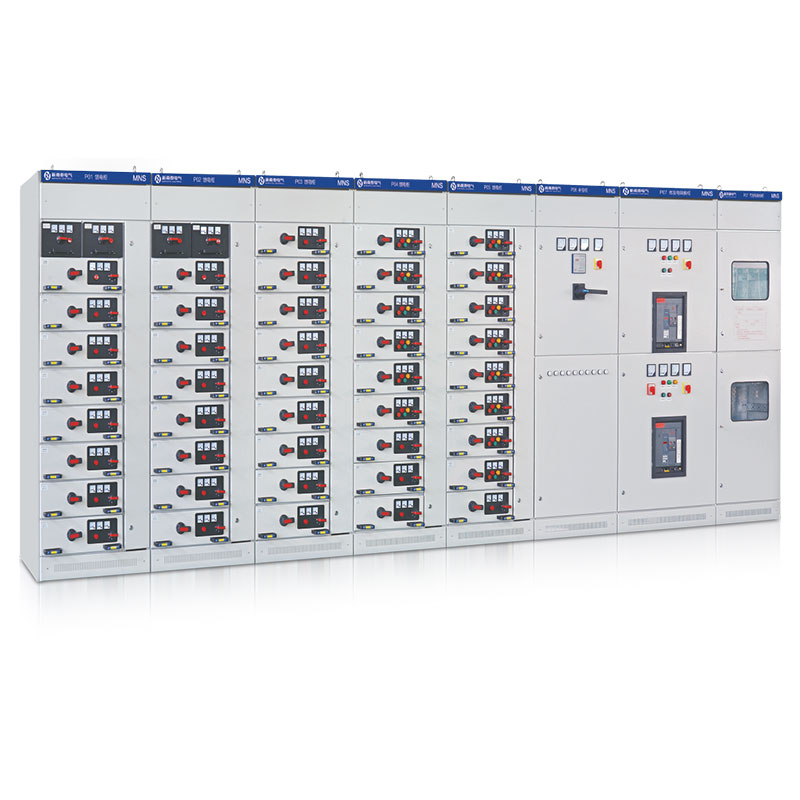


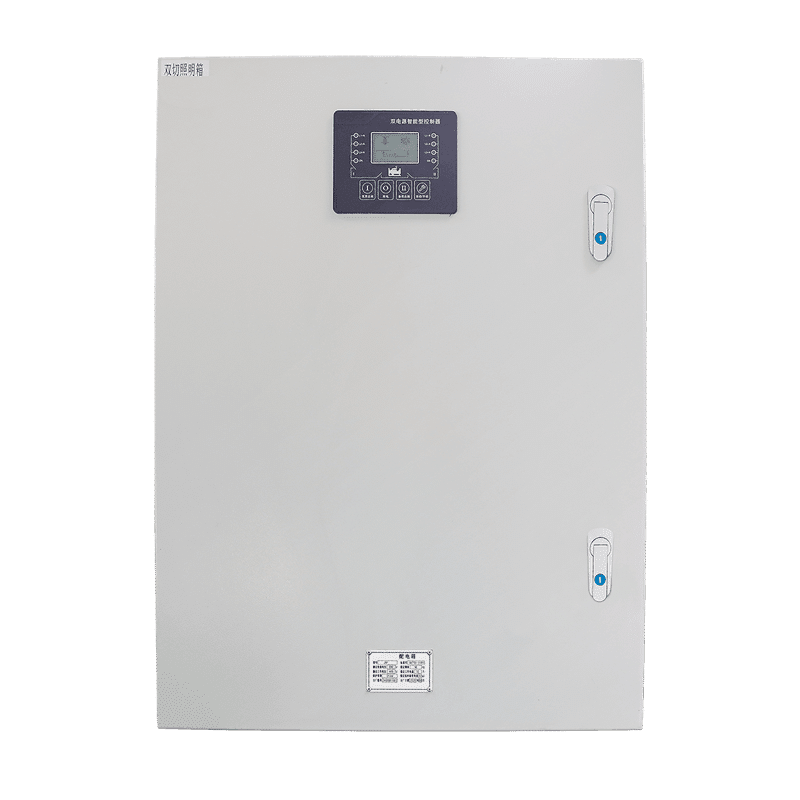




The substation transformer is the anchor asset of any MV/LV substation: everything from the incoming medium-voltage switchgear to the final LV feeders is dimensioned around its kVA, impedance, vector group, and connection to protection. A mistake here propagates through the entire single-line diagram. Selecting between substation transformer manufacturers is therefore not an isolated component purchase — it is choosing the partner whose design decisions will constrain your switchgear, protection settings, civil works, and maintenance regime for decades.
We build substation transformers and the complete packaged substations around them (MV ring-main unit, transformer, and LV board in one verified assembly). This guide is the screening framework we recommend for any substation transformer enquiry.
Substation duty is a system question, not a component question
Before comparing suppliers, lock the transformer’s system interface — these parameters ripple into every adjacent purchase:
| Parameter | Why it constrains the substation |
|---|---|
| Rated power (kVA) | Busbar sizing on both sides, civil room dimensions, cooling provision |
| Impedance (% on rating) | Fault level at the LV bus → switchgear breaking capacity |
| Vector group | Protection philosophy, neutral arrangements, paralleling options |
| HV connection + BIL | Switchgear class, surge arrester coordination, cable termination design |
| Tapping arrangement (OFFC/OLTC) | Voltage regulation strategy and whether the substation can host OLTC maintenance |
| Loss capitalization | Lifetime operating cost; interacts with utility tariff structures |
An impedance error alone can invalidate the short-circuit rating of every downstream panel — which is why a credible manufacturer responds to these parameters as a system review, not a catalogue lookup.
Which substation format are you buying?
- Unit substation (separate transformer). The transformer feeds switchgear through cable or busduct; the manufacturer supplies the transformer plus interface documentation. Verify the interface responsibility matrix — who owns terminations, grounding, and protection coordination documents.
- Compact / packaged substation. RMU + transformer + LV board assembled and type-verified as one product per IEC 62271-202 (arc classification options, internal segregation, interlocks). Here the manufacturer must show verification of the complete assembly, not just each component.
- Outdoor kiosk / skid substation. Transformer and switchgear share an outdoor enclosure; environmental class, corrosion protection, and internal-arc venting dominate the specification.
A supplier who cannot articulate the difference between these three deliveries has not built substations — they have built transformers that ended up near switchgear.
Manufacturer screening: five evidence points
- Short-circuit withstand type test. IEC 60076-5 (or IEEE equivalent) report on a design family covering your rating. Substation transformers face higher through-fault exposure than terminal units; this document is non-negotiable, and report numbers should be confirmable with the issuing lab.
- Loss guarantee with tolerance. Guaranteed no-load and load loss values, measured on your unit at routine test, against DOE 2016 / Ecodesign (EU) 548/2014 Tier 2 where the market requires. Amorphous-core options (typically 60–70% lower no-load loss vs CRGO) suit substations that stay energized at low overnight load.
- Thermal and cooling design documentation. Temperature-rise type evidence for the design family, derating statements for altitude above 2,000 m and high ambient, and — for oil units in enclosures — the heat load calculation the civil designer needs.
- Protection and monitoring package. For oil units: Buchholz, oil and winding temperature indicators, pressure relief, and optional DGA sensors — with setting data and wiring delivered as documentation. The manufacturer’s standard monitoring scope predicts how modern the substation can be.
- Routine test floor per unit. Ratio/vector group, winding resistance, losses, impedance, withstand tests, oil tests and gas baseline. For packaged substations, add functional testing of interlocks and protection wiring on the assembled unit before shipment.
Delivery, transport, and commissioning
- Lead times: substation transformers typically run 8–16 weeks depending on rating, OLTC inclusion, and material position; packaged substations add assembly and integrated testing time. Projects with commissioning dates should secure production slots early — mid-size manufacturers slot orders into monthly production plans, and the slot matters more than the headline capacity number.
- Transport: larger units ship with impact recorders and transport clamping; confirm shipping mass, lifting provisions, and whether the unit ships oil-filled or requires site vacuum filling (a real cost and skill difference at commissioning).
- Commissioning scope: define who performs oil processing (if shipped unfilled), protection relay setting and injection testing, and the handover test sequence. Suppliers who deliver a written commissioning protocol with the order cause fewer site arguments than those who improvise one after delivery.
An IEC-market substation award is a lifecycle decision on a deadline. These units run 8–16 weeks from a secured slot, and the impedance choice you make at order time constrains every downstream breaker rating for thirty years — so the evaluation should price loss capitalization seriously: guaranteed no-load and load loss with tolerance, capitalized against your tariff over the study horizon, compared across the shortlist on the same arithmetic. A supplier who quotes a cheaper unit with higher losses is not quoting the same product; on a continuously loaded substation transformer the loss stream across its life routinely exceeds the purchase-price gap. Freeze that decision early, because with the production slot reality of this class, there is no room to revisit impedance or loss level after drawings are approved — the redesign costs weeks the schedule does not hold.
Questions that separate substation partners from transformer sellers
- Will you review impedance and fault-level implications with my switchgear supplier before order confirmation?
- What OLTC or OFFC tap range and step does this unit carry, and what does its maintenance calendar look like over ten years?
- What monitoring comes standard versus optional (temperature, Buchholz, DGA), and can it integrate with substation SCADA?
- What are the transport provisions — clamping, impact recorder, oil-filled or site-filled?
- What is included in the commissioning documentation and site support scope?
FAQ
Should the transformer and MV switchgear come from one manufacturer?
Not mandatory — but a single supplier producing both removes the highest-risk interface in a substation: termination coordination, protection boundaries, and unified documentation. If split sourcing, insist on a written interface responsibility matrix signed by both suppliers.
What rating strategy is right — one large transformer or two smaller in parallel?
Two units at ~60–70% each buy redundancy and part-load efficiency at higher total cost and a paralleling requirement (matching impedance, vector group, ratio — see our parallel operation guide). The choice follows criticality and load growth projections, and your supplier should model it, not just quote both.
How does that choice interact with loss capitalization over 25 years?
Two smaller units at part load can run in their efficiency sweet spot and shed to one overnight — cutting load loss — while a single large unit carries its core loss alone. Run both scenarios against your actual load curve and tariff; the crossover is load-profile-specific and worth the modeling hour.
With an IEC project and an 8–16 week slot reality, when must the decision be frozen?
Before the first drawing approval. Impedance, unit count, and loss level all feed the downstream fault study and switchgear order — reversing any of them after slot confirmation costs a re-engineering cycle the production schedule will not absorb.
When does OLTC matter in an MV/LV substation?
Where LV voltage must stay regulated under wide MV fluctuation or heavy load swings (remote feeders, large motor populations). OLTC adds cost and a maintenance program; most indoor industrial substations manage fine with off-circuit taps plus adequate LV regulation.
Related reading
- transformer substation assemblies — our substation-duty transformer and MV/LV assembly scope.
- packaged substation design — how transformer, MV switchgear, and LV boards combine on a skid.
- kVA sizing calculator — the rating math behind a substation transformer specification.
Engineering note: this article is a procurement evaluation framework from ElectricalCabinet.net, a manufacturer of substation transformers, packaged substations, and LV/MV switchgear and control assemblies. Final ratings, protection settings, and compliance decisions require qualified engineering review against the applicable installation codes.
 EN
EN