







Transformer Substation
Complete unit and package substations — medium-voltage switchgear, power transformer and low-voltage board engineered, built and tested as one factory deliverable.

What Is a Transformer Substation?
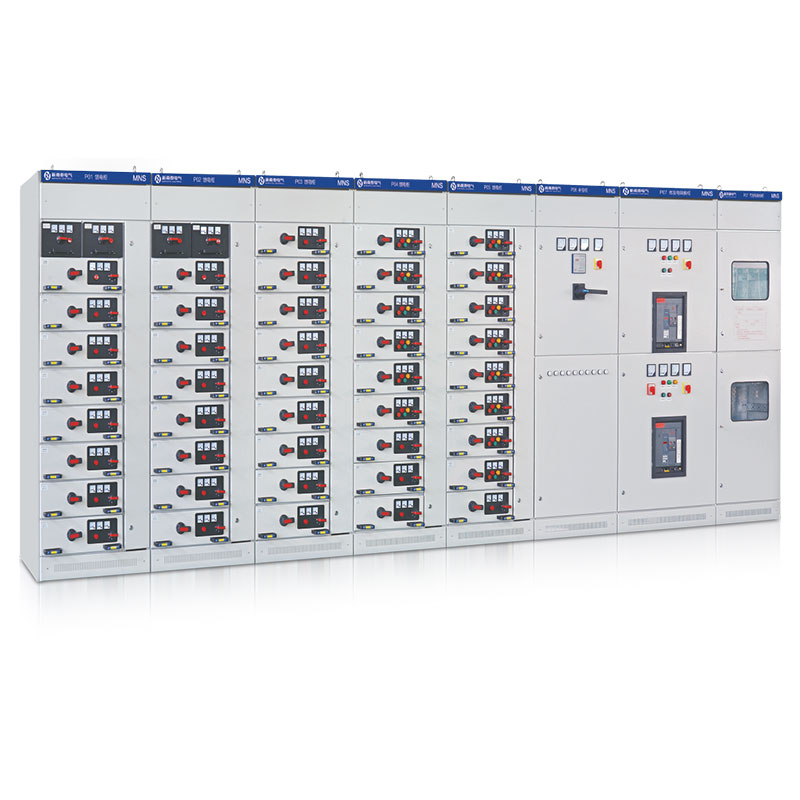
A transformer substation is a compact electrical node that combines one or more power transformers with the medium-voltage switchgear, busbar and low-voltage distribution equipment needed to accept incoming power and step it down to the voltage your facility actually uses. Instead of buying a transformer, ring main unit, cables and LV panels from separate vendors and integrating them on site, you receive one engineered package that left our factory already wired and tested.
We build complete substations in box-type, prefabricated American and unit/package formats — matching the transformer, protection scheme and busbar rating to your single-line diagram. Behind this site stands a factory operating since 2010 with more than 4,000 delivered projects, where every substation passes whole-station tests before dispatch.
Types of Transformer Substations
The substation formats below cover the great majority of project specifications. Each one is a page on this site with its own construction details and specification tables.
Unit & Package Substations
A unit substation places the transformer, its MV protection and the LV board in one electrical sequence located next to the load centre; a package substation is the same idea delivered factory-assembled. The pad-mounted transformer format is the most common single-transformer package in distribution networks.
Box-Type Substation (Compact / European)
A ground-mounted steel enclosure split into three compartments — MV switchgear room, transformer room and LV room. It is the standard choice for residential compounds, industrial parks and construction sites where a complete substation must fit a small footprint.
Prefabricated American Substation
The American style integrates the load-break switch and fusing directly onto the transformer in a fully insulated, fully sealed package — fewer compartments, smaller footprint and minimal on-site assembly than the European three-room layout.
Opening & Closing Station
A switching station without a transformer: it receives medium-voltage power and redistributes it to outgoing feeders, extending reach where the network needs splitting points rather than voltage conversion.
Key Specifications & Options
This table is a selection framework, not a fixed catalogue — every substation we build starts from your single-line diagram, site plan and load list, and the parameters below are confirmed in writing before production.
| Parameter | Options / Typical Range |
|---|---|
| Transformer rating | 100–2,000 kVA typical inside compact enclosures; 2,500 kVA and above engineered per project |
| Primary (HV) voltage | 6 / 10 / 20 / 35 kV class standard; non-standard ratios wound to order |
| Secondary (LV) voltage | 400 V-class (0.4 kV) standard; other LV levels to specification |
| Transformer format | Sealed oil-immersed or dry type, matched to indoor / outdoor and fire-code conditions |
| MV switching | Load-break switch-fuse, ring main unit or circuit breaker, per your single-line diagram |
| Cooling | ONAN for oil units; AN / AF for dry type; enclosure natural or forced ventilation |
| Enclosure protection | IP33–IP54 typical; higher ratings with filtered or forced ventilation |
| Enclosure material | Galvanised or aluminium-zinc coated steel; non-metallic (GRP) bodies by arrangement |
| Standards | IEC 61936-1 installation · IEC 60076 transformer · IEC 62271 switchgear |
Frequently Asked Questions
What is the difference between a unit substation and a package substation?
The two terms overlap heavily and are often used interchangeably. Strictly, a unit substation describes the electrical arrangement — transformer plus its MV and LV equipment in one sequence next to the load — while a package substation emphasises commercial delivery: one supplier, one factory-assembled and factory-tested scope. If your specification document uses either term, send it to us and we will quote against the actual single-line diagram rather than the label.
Why buy a complete substation instead of a transformer and panels separately?
One responsible supplier for the whole voltage transformation chain: internal busbar connections are engineered and torque-checked in the factory, whole-station tests are done before dispatch instead of on your site, and commissioning shrinks to incoming/outgoing cable termination. For most projects this removes the integration risk that appears when a transformer vendor, a switchgear vendor and a panel builder each ship part of the system.
Do the substations carry UL or IEC certification?
Our standard design and production route follows the IEC system — IEC 60076 for the transformer, IEC 62271 for switching equipment and IEC 61936-1 for the installation rules. UL-listed routes for North American projects are assessed case by case against the destination authority requirements, so state the certification clause from your specification early and we will confirm the compliance plan in the quotation.
What is a typical lead time?
In typical practice, standard-configurations ship around 6–10 weeks after drawing approval, while large ratings, special certifications or non-standard protection schemes extend the schedule. We confirm a binding production plan together with the approved drawings, so your project timeline rests on a written schedule rather than an estimate.
What should be prepared on site before delivery?
A foundation or cable trench per the civil drawings we supply, entry and exit routes for incoming and outgoing cables, an earthing grid meeting the specified resistance, and crane access for offloading the enclosure. Our engineering team issues the foundation drawing set at order confirmation so site work can run in parallel with production.
Related Guides
- Pad Mounted Transformer — the single-transformer package most common in distribution feeders
- Dry Type Transformer — the oil-free transformer for indoor substations where fire load must stay low
- Distribution Transformer — the step-down transformer at the heart of nearly every substation
- Pole Mounted Transformer — the overhead-feeder format for rural and long-line networks
- Oil Immersed Transformer — the sealed fluid-cooled format for outdoor substation duty
- Medium Voltage Transformer — the voltage class most substation projects are built around
- Amorphous Core Transformer — the low no-load loss core option for substations energised around the clock
- Current Transformer — the metering and protection CTs inside the substation
- Box-Type Substation: Components and Selection Inputs — what goes into the three compartments and how to specify them
- Prefabricated Substation: Configuration and Specification Checklist — the configuration decisions to fix before ordering
- Packaged Substation Design: Inputs to Define Before Product Selection — the design inputs that determine the final package
- Air-Insulated Switchgear in Substations: Interface Planning — planning the interface between AIS gear and the transformer
 EN
EN