

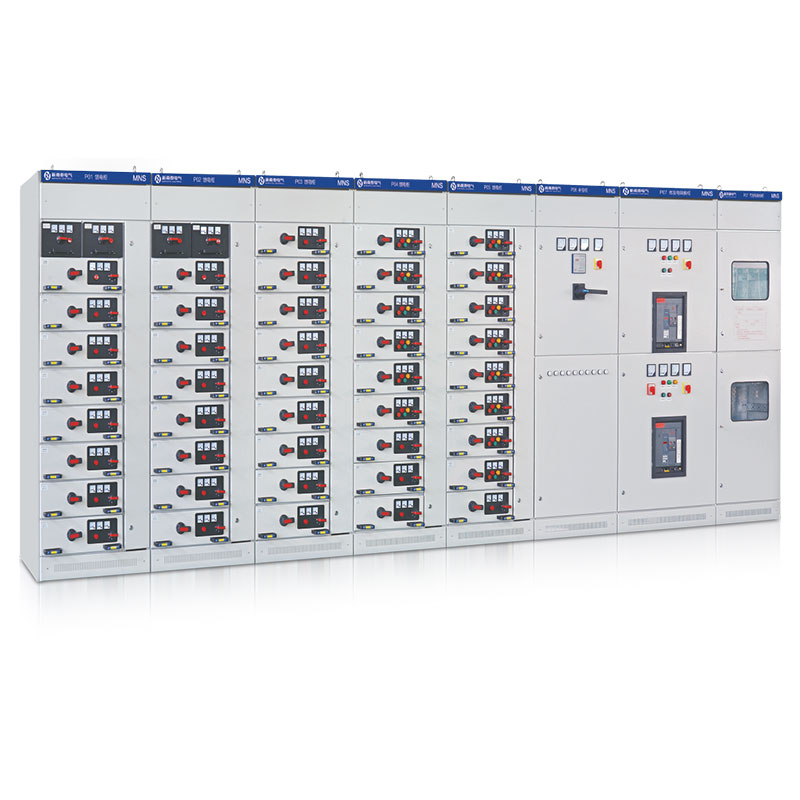


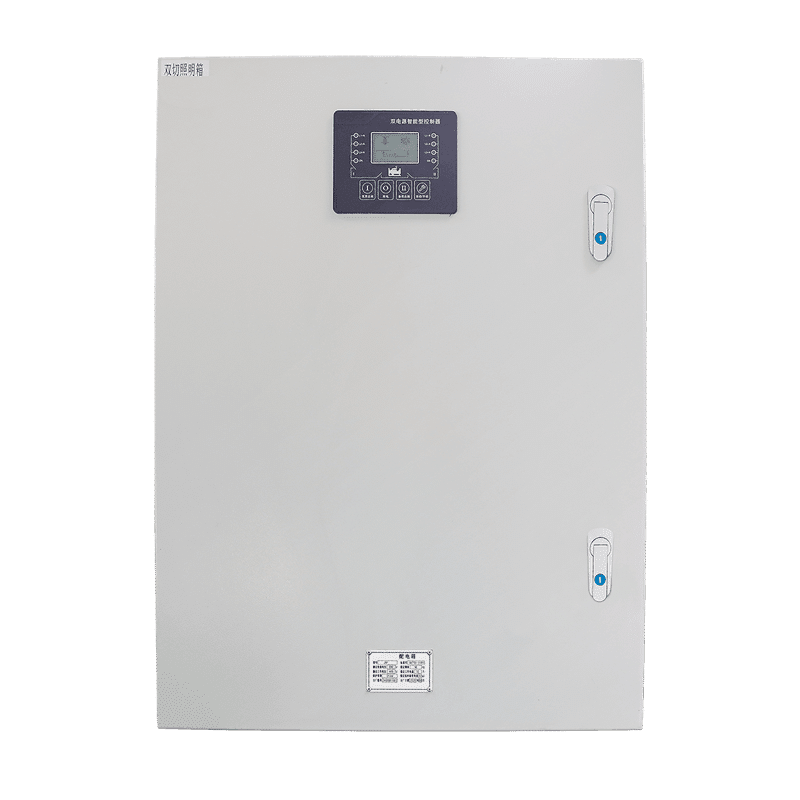


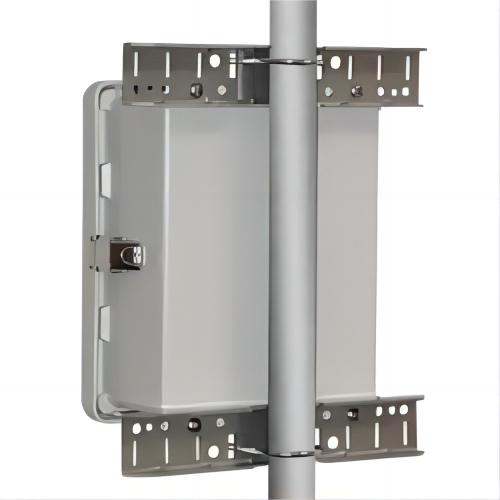


The standards that govern industrial control panel design depend on three project facts: the market the panel ships to, the voltage class, and whether the panel is a standalone assembly or part of a machine. In North America, UL 508A (industrial control panels) with NFPA 79 (electrical standard for industrial machinery) and the NEC define the framework; in IEC markets, the IEC 61439 series governs low-voltage switchgear and controlgear assemblies, with IEC 60204-1 applying where the panel is a machine’s electrical equipment. This guide maps the standards to what they actually control — components, wiring, spacing, labeling, documentation, testing — and shows how to run a compliance-ready panel project. The applicable standard and edition must be confirmed for the specific equipment, market, installation, and contract, not assumed from a product description.
Treat standards as a project requirement
Industrial control-panel standards can affect component selection, wiring, labeling, enclosure construction, documentation, inspection, and testing. A panel that passes every functional test can still be rejected because its clearance and creepage, temperature rise, or short-circuit rating documentation does not match the governing code. Standards compliance is therefore a design input from the first schematic, not a checkbox at the end.
The standards map by market
| Market / situation | Governing standards | What they control |
|---|---|---|
| United States — standalone industrial control panel | UL 508A; NEC (including Article 409 for industrial control panels) | Component suitability, wiring methods, spacing, SCCR documentation, enclosure, nameplate and labeling |
| United States — panel as part of machinery | NFPA 79 with UL 508A | Machine electrical safety: disconnecting means, emergency stop function, protective bonding, control circuits |
| Canada | CSA C22.2 No. 14 (industrial control equipment) under the Canadian Electrical Code | Equivalent Canadian requirements to the UL 508A framework |
| IEC markets — power and control assemblies | IEC 61439-1 (general rules) and -2 (power switchgear and controlgear assemblies); verified ratings approach | Design verification, temperature rise, short-circuit withstand, creepage and clearance, internal separation forms |
| IEC markets — machine-mounted panels | IEC 60204-1 | Machine electrical equipment: supply disconnect, stop categories, protective bonding, operator controls |
| Functional safety layers | IEC 61508 / ISO 13849 (machinery) | Safety-related control functions and their integrity levels — applies when the panel implements safety functions |
Inputs to define
| Input | Why it matters |
|---|---|
| Equipment and market | Identifies the relevant rules and authority having jurisdiction |
| Voltage and fault data | Sets electrical design and protection basis, including the available fault current the SCCR must cover |
| Components and wiring | Drives spacing, terminals, labels, and documentation |
| Enclosure and environment | Affects construction, cooling, sealing, and access |
| Inspection and testing | Defines evidence, records, and handover |
| Responsibility boundary | Separates panel, machine, field, and site obligations |
Design practice the standards converge on
Certain engineering habits satisfy every framework above. Size conductors for the load and the temperature inside the enclosure, not just the ampacity table at 30°C. Plan terminal blocks with coded labels on both ends and ferrule-coded conductors; label every device to match the schematic. Respect spacing rules around power components and separate power and signal wiring routing to limit noise. Verify the assembly’s short-circuit rating against the available fault current at the installation point and document the combination. Manage heat: variable frequency drives and power supplies raise internal temperatures beyond enclosure ratings faster than any other single factor, so derate and ventilate deliberately. And keep the documentation set — schematics, BOM, calculations, and test records — as living deliverables under revision control.
Verification and documentation
Under IEC 61439, ratings are established by design verification — by test, by calculation, or by comparison with a verified reference design — and each assembly then passes routine verification. Under UL 508A, the panel shop’s listing program covers construction rules and the SCCR of the assembly. In both worlds the handover file looks similar: schematics and wiring lists as-built, nameplate photo, SCCR or short-circuit withstand statement, inspection and test record, and a declaration tying the assembly to the standard and edition claimed. Confirm the applicable edition and interpretation with the responsible engineer or authority; this guide does not make a UL, IEC, NFPA, or other compliance declaration for an unspecified panel.
Frequently asked questions
UL 508A or IEC 61439 — which applies to my panel?
Follow the destination market and the contract: UL 508A for a panel installed in the US (with CSA equivalent for Canada), IEC 61439-1/-2 for IEC-market assemblies. Where a machine standard also applies (NFPA 79 or IEC 60204-1), it layers on top of the panel standard rather than replacing it.
What is SCCR and why do inspectors ask for it?
Short-circuit current rating — the fault current the assembled panel can withstand, documented as an assembly. The NEC framework requires the panel’s SCCR to meet or exceed the available fault current where it is installed, so the inspector asks for the label and the supporting file.
Can I upgrade a panel’s SCCR later?
Only through re-engineering and re-verification — changing fuses or breakers to current-limiting types is the classic method, but it must be done under the listing or verification framework, not by field improvisation. If a site fault level grew past a panel’s rating, treat it as a redesign project.
Do standards say anything about PLCs and software?
The panel standards treat the controller as a component with its own ratings; IEC 61131 governs programmable controllers, and safety functions implemented in the control system fall under IEC 61508 / ISO 13849 — the follow-up question worth asking your integrator is which functions in your panel are safety-related, because that decides whether the software and logic need validated development.
How often do standards editions change, and does it matter?
Revisions arrive every few years; what matters is the edition named by the contract and the AHJ at order time. A panel built to a superseded edition may still be acceptable, but only the authority can say so — record the edition on the declaration.
Procurement scenarios
For a machinery builder shipping its first panels into the US, place a pilot order of one or two panels with a UL 508A-listed shop and audit the complete file — schematics, SCCR statement, labels — before committing the series; the documentation habits transfer or fail at the first panel, not the fiftieth. For an IEC-market panel going into a Canadian site, confirm at inquiry whether the CSA field evaluation or a listed build path will be used, because it changes both cost and the six-to-eight-week certification window. For multi-market OEMs, ask your panel builder to maintain one design platform with market-specific verification files — the shared hardware cuts lead time while each market keeps its own compliance record.
ElectricalCabinet.net builds control panels and PLC control panel applications to the governing market standard, alongside the medium voltage switchgear lineups they serve — contact us with your panel schedule and destination market, and we will map the compliance path before quotation.
 EN
EN