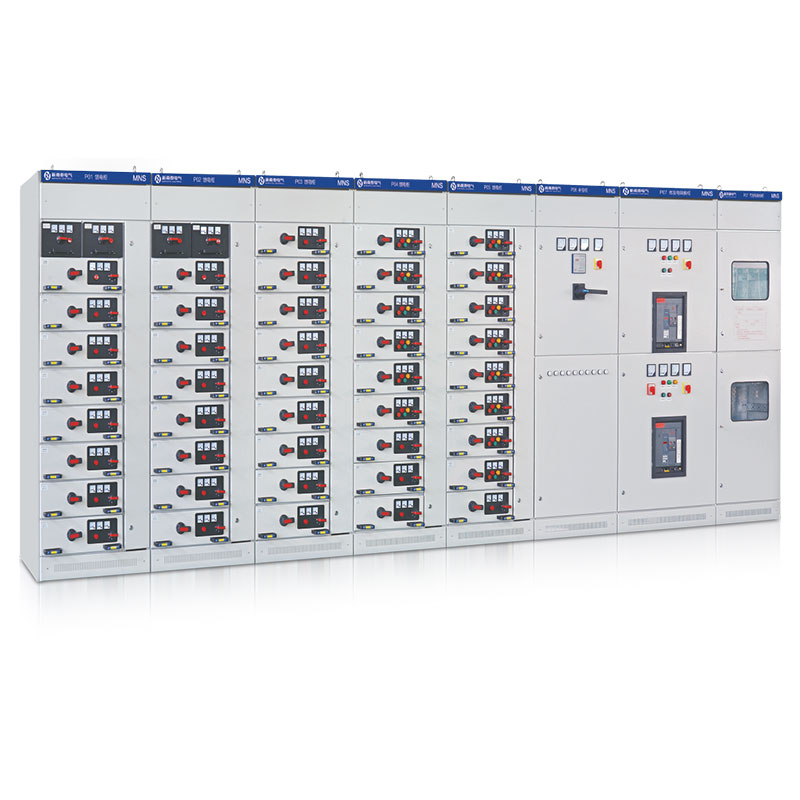
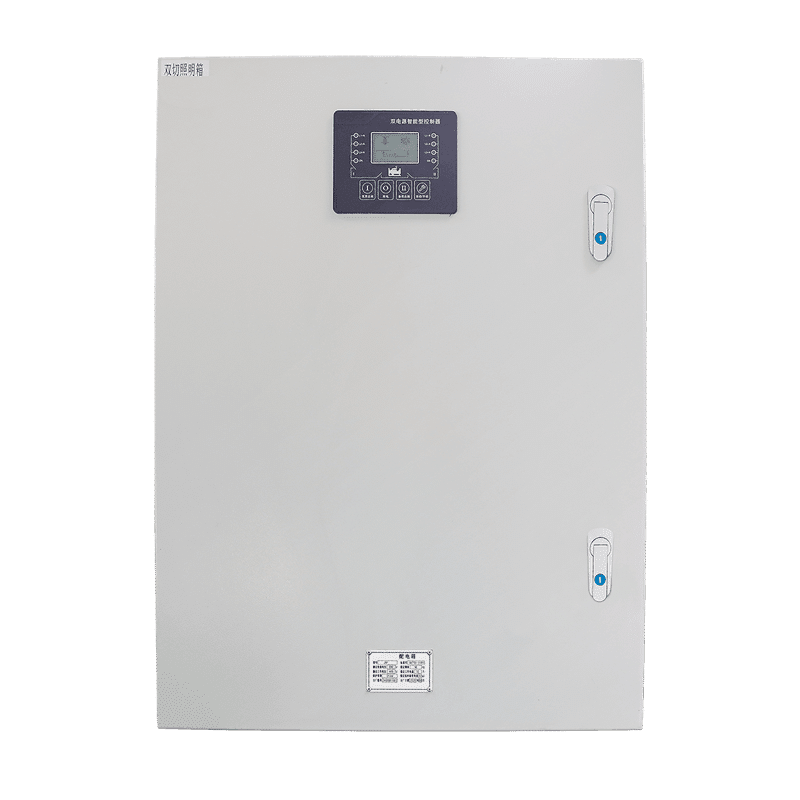
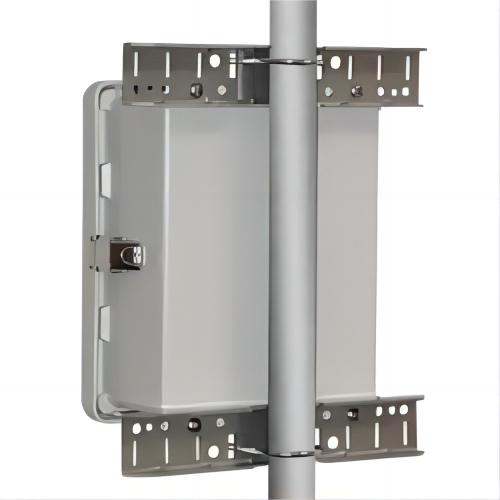
Searches for “top control cabinet manufacturers” return lists, but no list can tell you which supplier should build your panels — because a control cabinet is engineered to order around your voltage class, environment, standards market, and maintenance reality, not picked from a league table. What a list can legitimately do is orient you: which companies actually operate in this space, in which layers (cabinet platforms, complete assemblies, integrated automation), and what dimensions separate them. This guide does exactly that — an evidence-based orientation to the market’s well-known names and, more importantly, a structured method for evaluating any manufacturer, including the smaller builders who win most industrial panel work on responsiveness and documentation quality. Use it to define scope, compare options, and prepare evidence; final ratings, protection settings, safety controls, and compliance decisions require qualified project review.
First, a note on “top 20” claims
Any numbered ranking of control cabinet manufacturers reflects the ranker’s criteria — revenue, brand recognition, geography, or nothing verifiable at all. This article deliberately does not assign positions. Instead it groups widely known companies by what they demonstrably make, from public product portfolios, and then spends most of its length on the evaluation method that actually selects a supplier for a project. A famous name is a fact about marketing; suitability is a fact about your specification.
The market’s known players, by layer
| Layer | Widely known companies | What they demonstrably provide |
|---|---|---|
| Enclosure and cabinet platforms | Rittal, nVent (Hoffman), Eldon, Bud Industries | Standard enclosure systems — bodies, climate control, accessories — that panel builders populate |
| Panel-mounted electrical components | ABB, Eaton, Schneider Electric, Siemens, Rockwell Automation, Mitsubishi Electric, Omron, Weidmüller, Phoenix Contact | Breakers, contactors, drives, PLCs, HMI, terminal and interface technology — the content of the cabinet |
| Complete assemblies and integrated solutions | ABB, Eaton, Schneider Electric, Siemens plus thousands of independent panel shops and system integrators worldwide | Engineered-to-order control cabinets and power assemblies built to project documentation |
The structural fact this table shows: the companies famous for components rarely build your cabinet — the engineered-assembly market is served by panel builders and integrators, from large system houses to specialist shops, who assemble those components into certified panels. That is why supplier evaluation, not brand ranking, is the real procurement skill.

Define the equipment boundary
Record the voltage class, current or load, fault assumptions, operating modes, switching or control duty, installation location, environmental exposure, access requirements, cable entry, grounding, interfaces, spare capacity, and maintenance responsibility. Separate the equipment supplied by the panel builder from field devices, protection, communications, installation, commissioning, and owner scope.
Inputs to document before selection
| Input | Planning question |
|---|---|
| Electrical duty | What source, load, feeder, motor, transformer, bus, or control sequence must the assembly support? |
| Environment | Are water, dust, corrosion, heat, UV, vibration, condensation, washdown, or hazardous-area conditions present? |
| Layout and interfaces | What are the dimensions, clearances, heat sources, terminals, I/O, networks, cable bend radii, access paths, and service zones? |
| Evidence and handover | Which drawings, BOM, labels, settings, inspection records, test reports, manuals, and declarations are required? |

How to evaluate a control cabinet manufacturer
Compare like-for-like scope, not marketing labels. Check the stated standard and edition (UL 508A listing or IEC 61439-1/-2 verification, with market-specific frameworks like CSA C22.2 No. 14 for Canada), the product boundary (panel only, or wiring to terminal strip, or field wiring too), test conditions, material or enclosure construction, installation assumptions, service access, replacement parts, documentation, and responsibility for final verification. A competitor page can reveal common questions and terminology, but it cannot prove another supplier’s rating, certification, performance, lead time, or project suitability.
| Evaluation dimension | Evidence to request | Why it matters |
|---|---|---|
| Standards capability | Listing certificates or design-verification files for your market and edition | Decides whether the panel can be installed legally at your site |
| Engineering depth | Sample schematics, BOM format, wiring standards from past projects | Predicts whether your documentation will be maintainable |
| Production quality system | Routine test regime per panel, torque and labeling discipline, FAT procedure | Consistency across a multi-panel order |
| Capacity and schedule | Current lead time, tolerance for schedule shifts, reference orders of your size | Delivery reliability beyond the quote date |
| Service model | Spares philosophy, support for modifications, response commitments | Cabinets live for decades; builders that disappear strand them |
Verification checklist
- Confirm the intended search and engineering scope.
- Match ratings and environmental claims to primary documents.
- Review heat dissipation, sealing, grounding, cable entry, access, and spare capacity.
- Define inspection, factory testing, site testing, commissioning, and acceptance records.
- Record open assumptions and assign an owner before procurement.
Engineering note: this article is an information framework, not a substitute for design calculations, code review, a risk assessment, or qualified installation and commissioning.
Frequently asked questions
Are the biggest manufacturers the best choice for control cabinets?
For large standardized rollouts they offer breadth and global service; for engineered-to-order industrial panels, specialist builders routinely win on engineering access, documentation quality, and lead time. Judge against your project’s evidence requirements, not company size.
Should I buy the cabinet, components, and assembly from one source?
One accountable assembler is the common pattern; the components inside can come from any major brand per your specification. Single-source everything only when the supplier’s engineering and service demonstrate it.
What is the single most predictive quality signal?
The documentation set from past projects — clean as-built schematics, complete BOM, test records. Factories that document well build well; the correlation is stubborn.
How do lead times compare across the market?
Component availability drives most of it — drives and breakers set the critical path — and specialist builders’ lead times are often shorter because their order books are project-shaped. Confirm current lead time at quotation; it moves with the component market.
Can a manufacturer build to both UL and IEC frameworks?
Many do, but as separate verified designs — ask for the actual certificates, not the claim. The follow-up question that matters for dual-market buyers: who owns maintaining each market’s documentation set when standards editions change, because that ownership decides whether your next repeat order is routine or a restart.
What about component brand specification?
Specify brands where maintenance standardization demands it; leave flexibility elsewhere. Brand-locked specifications raise cost and lead time in exchange for spares and skills commonality — a trade to make deliberately.
Procurement scenarios
For a first engineered-panel order with a new manufacturer, qualify with a small batch — two or three panels with full documentation and a witnessed routine-test regime — and scale only after the file quality passes your review; the documentation habits visible in the first panels persist through the whole relationship. For multi-market OEMs, contract one builder to maintain both compliance paths (UL 508A and IEC 61439 verification) with the certificate costs amortized across the program rather than per order. For schedule-critical projects, make component long-leads explicit in the contract with agreed substitution rules, and tie final payment to the complete handover file — schematics, BOM, test records, and declarations — since that file, more than the hardware, is what your maintenance team will live with for the cabinet’s service life.
ElectricalCabinet.net is a manufacturer in exactly this engineered-to-order class — control cabinets, PLC control panels, and power assemblies built to your market’s standards, with the documentation set treated as a product. See our control panel design standards guide for the compliance frameworks we build against.