

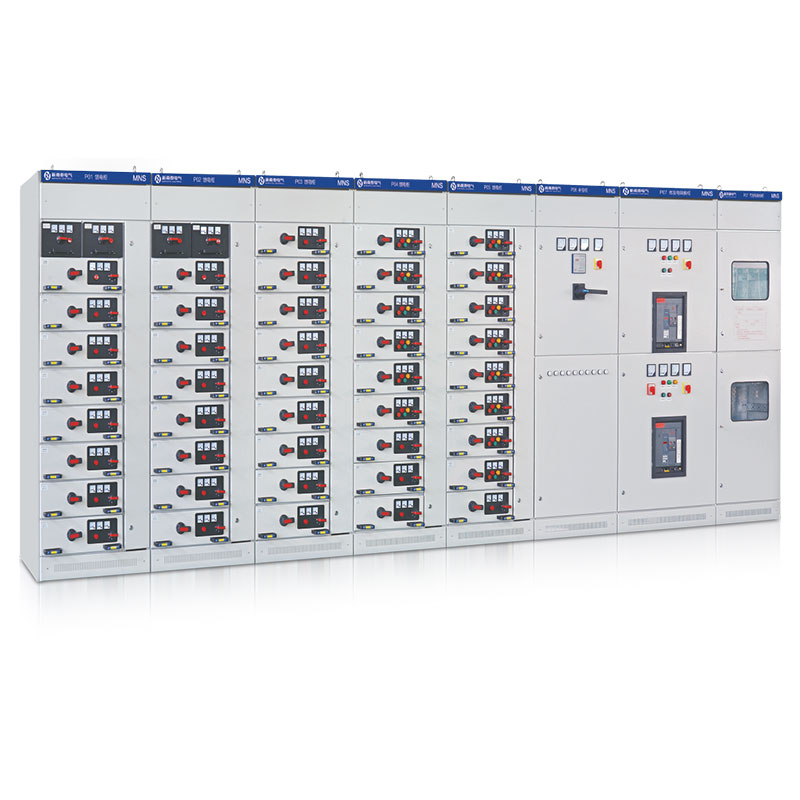


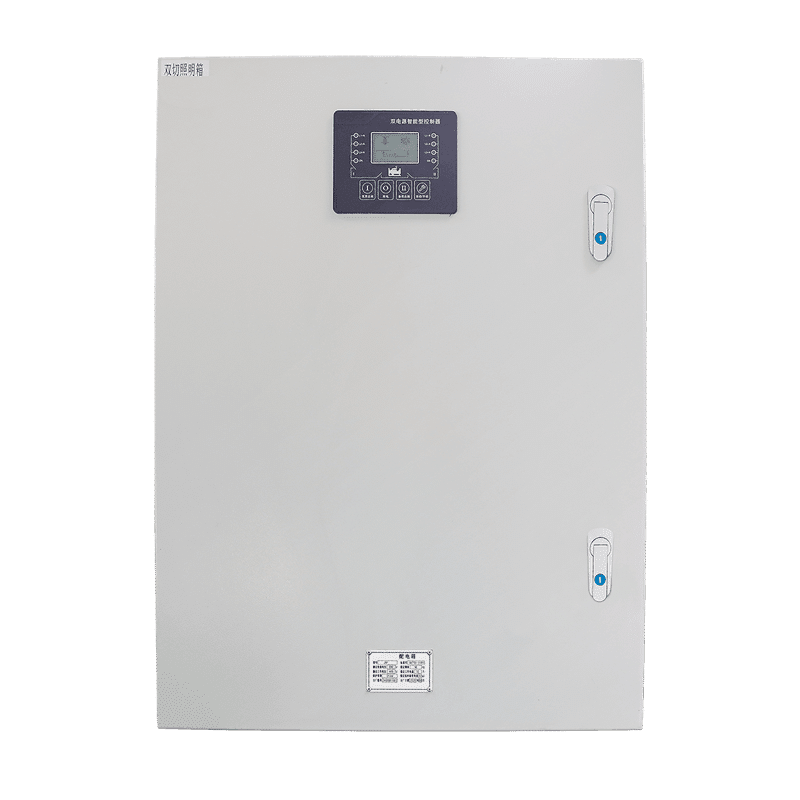


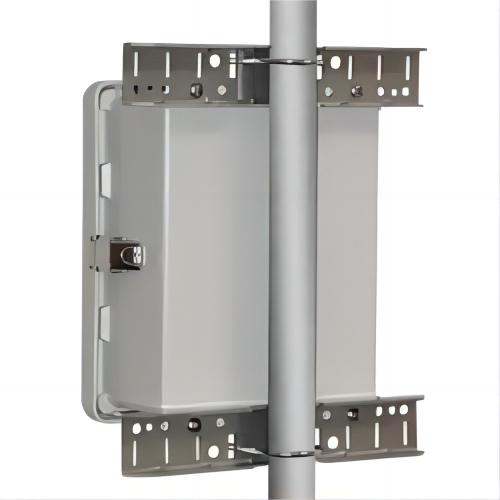


Water treatment control panels support the pumps, valves, dosing equipment, sensors, and monitoring functions that keep a treatment process running — but the correct architecture depends on the treatment process and the equipment connected to it. A generic “water treatment control panel” label is not enough to establish a complete system design. This guide explains the information and control boundaries that should be defined before selecting a panel, so that the panel that arrives matches the process it must run.
This article focuses on the information and control boundaries that should be defined before selecting a panel. The images and application titles on our PLC page are capability references; they are not proof of a named customer project or a guaranteed treatment performance.
Start with the treatment process
Describe the process objective before choosing the control hardware. The project may involve water supply, pumping, wastewater transfer, dosing, filtration, level control or another sequence. Each objective changes the sensors, valves, alarms, operating modes and interfaces that the panel must support. A lift-station panel built around two alternating pumps shares almost nothing with a filtration-skid panel sequencing backwash valves against differential-pressure signals.
The initial design brief should include:
- Process description and operating sequence.
- Pumps, motors, valves and dosing equipment.
- Level, pressure, flow, quality or other sensor inputs.
- Local operator controls and alarm requirements.
- Required PLC, HMI, remote monitoring or communication interfaces.
- Indoor/outdoor location and environmental exposure.
- Customer, local and safety requirements.
Separate the system layers
Water treatment architecture is easier to review when the responsibilities are separated.
| Layer | Function to define |
|---|---|
| Power and motor control | How connected equipment receives power and is started or regulated. |
| Process I/O | Which sensors, valves, switches and alarms are connected. |
| PLC logic | Which sequence, permissives, interlocks and fault responses are required. |
| Operator interface | What the operator must see, select and acknowledge locally. |
| Communications | Which external monitoring or supervisory system is required, if any. |
| Enclosure/environment | Where the cabinet is mounted and what conditions it must withstand. |
This is a planning model, not a standard wiring diagram. The actual I/O list and logic should be confirmed with the process and electrical teams.

Why the layer model prevents commissioning disputes
Most water-treatment panel failures at commissioning are boundary failures, not component failures: a valve feedback signal nobody landed, a communication protocol each party assumed the other would configure, an alarm that exists in the matrix but not on any terminal. Walking the six layers with both the process and electrical teams present — and writing an owner next to every row — is the cheapest quality step in the whole project. It converts hidden assumptions into documented scope while they are still free to change.
Use product evidence carefully
Our PLC Control Cabinet page includes named application images such as sewage, dosing, pump-station and valve-control examples. The Water Supply Equipment Control Cabinet and Frequency Converter Electrical Cabinet pages provide additional product starting points.
These materials support a discussion about possible control functions. They do not prove a particular client, treatment capacity, water quality, remote protocol, certification or completed plant project. Those claims require separate engineering or project evidence.
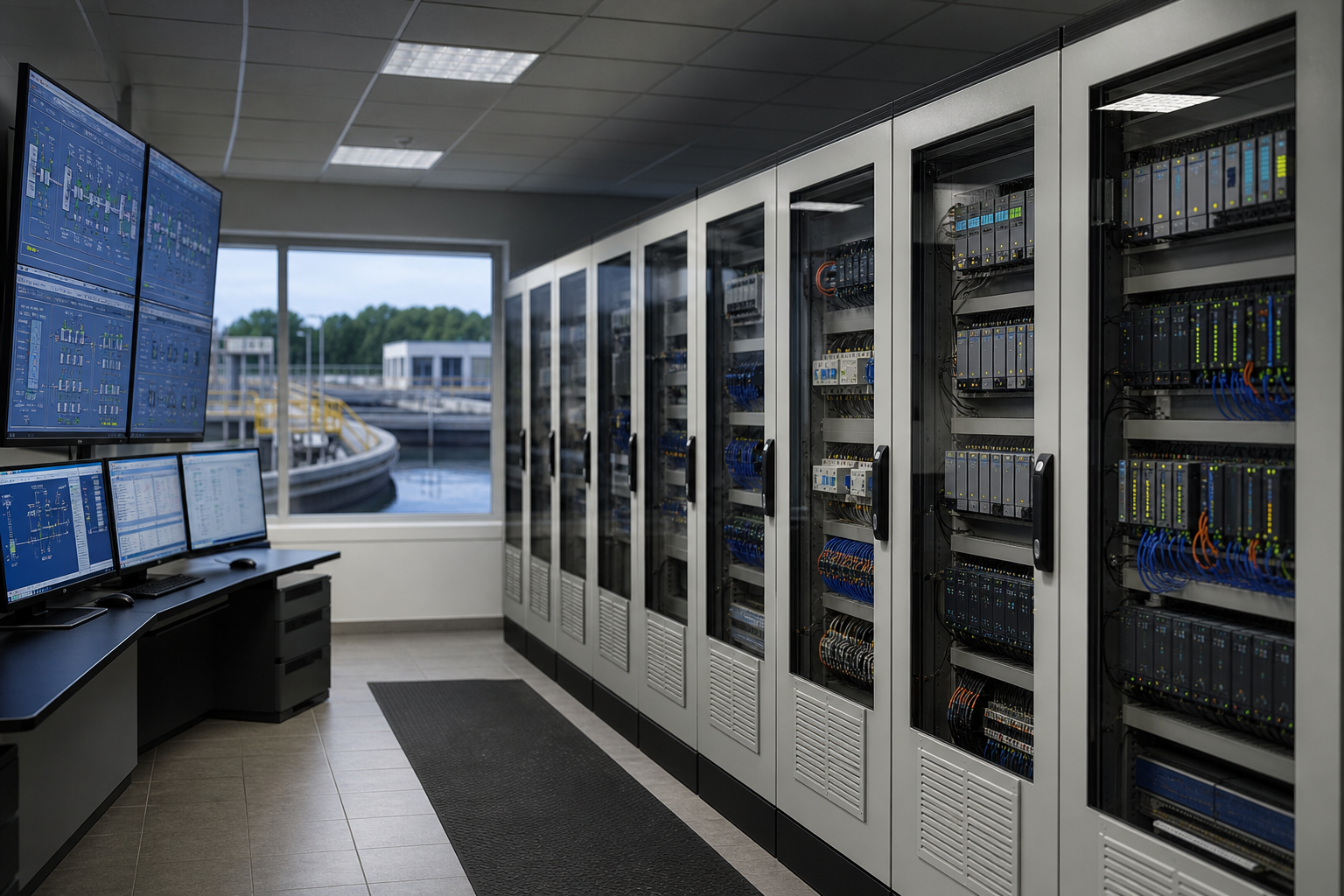
Standards context for treatment panels
- IEC 61439-1/-2 — the IEC framework for low-voltage assemblies; a treatment panel with power distribution and motor control is an assembly under this series, and its nameplate ratings and verification documents reference it.
- UL 508A — the industrial control panel standard for the NEC market; treatment panels shipped to North American utilities and plants are commonly built and documented to it, including the marked short-circuit rating.
- NFPA 79 — where the panel controls industrial machinery in the NEC market, the machine-level wiring rules of this standard apply around the panel.
- NEMA 250 / IEC 60529 — the enclosure protection references behind NEMA types and IP codes. Wet treatment rooms and outdoor pump stations frequently land on different enclosure families; the NEMA-to-IP converter helps translate between the two rating languages.
Potable-water and wastewater installations may also fall under local public-health or utility requirements; those are project determinations made by the responsible engineer, not panel-catalogue claims.
Define the inquiry and review boundaries
Before requesting a quotation, provide the process sequence, equipment schedule, sensor list, alarm matrix, environmental conditions and required documents. State whether software, testing, commissioning, field installation or only cabinet fabrication is included in the requested scope.
This distinction protects both the buyer and the manufacturer. A cabinet assembly, a control system and a complete treatment-plant service are different deliverables and should not be presented as interchangeable.
Information to include in an inquiry
- Process description and operating modes.
- Equipment list with motor and actuator information.
- Required sensors, alarms, permissives, and interlocks.
- Local HMI, remote monitoring, and communication requirements.
- Installation environment, enclosure location, and maintenance access.
- Required drawings, documentation, and responsibility boundaries.
Frequently asked questions
Does every water treatment panel use the same PLC architecture?
No. The architecture depends on the treatment process, connected equipment, I/O, operating sequence and communication requirements. Two panels carrying the same application name can differ completely in size, logic, and interfaces.
Can a PLC application image prove a customer case study?
No. An image can illustrate capability or a product application. A case study requires verifiable project, customer and delivery evidence.
Should a water treatment article promise compliance or performance?
Only when the specific product, project and applicable requirement have been verified. Generic content should describe the selection process and clearly state its boundaries.
Follow-up: how can a buyer check whether a claimed certification is real?
Ask for the certificate or test report tied to the exact product and configuration, and read its scope: standards covered, model range, and validity. A claim that cannot be traced to a document with a named scope is a marketing sentence, not evidence.
Should process instruments be purchased with the panel?
It is a scoping choice. Buying instruments with the panel gives one responsibility boundary and a single I/O freeze; buying them separately gives the process team freedom but creates an interface the panel specification must then document precisely. Either works if the boundary is written down.
What documentation should arrive with the panel?
At minimum: wiring drawings, an I/O list, a terminal schedule, an alarm list, the operating-sequence description, and the panel’s rating documents. Commissioning and maintenance both fail quietly without these, regardless of how well the panel is built.
Ordering scenarios
A municipal contractor upgrading a pumping station typically orders one panel first — the station master panel with its alternation logic and telemetry interface — proves it through the wet-season operating window, then orders the sister stations against the frozen design. The governing constraints are the telemetry protocol agreement with the utility and the I/O freeze, because each station added after the design changes multiplies rework across the whole series.
A treatment-packaged-equipment OEM exporting skids into both NEC- and IEC-market regions should fix the build regime per destination at the first order: the North American skid carries a UL 508A panel with NFPA 79-aligned documentation, while the IEC-market skid carries an IEC 61439 assembly package with IP-coded enclosure documentation. Splitting the pilot order — one skid per regime — confirms both evidence packages while volumes are small and lead times short.
 EN
EN