

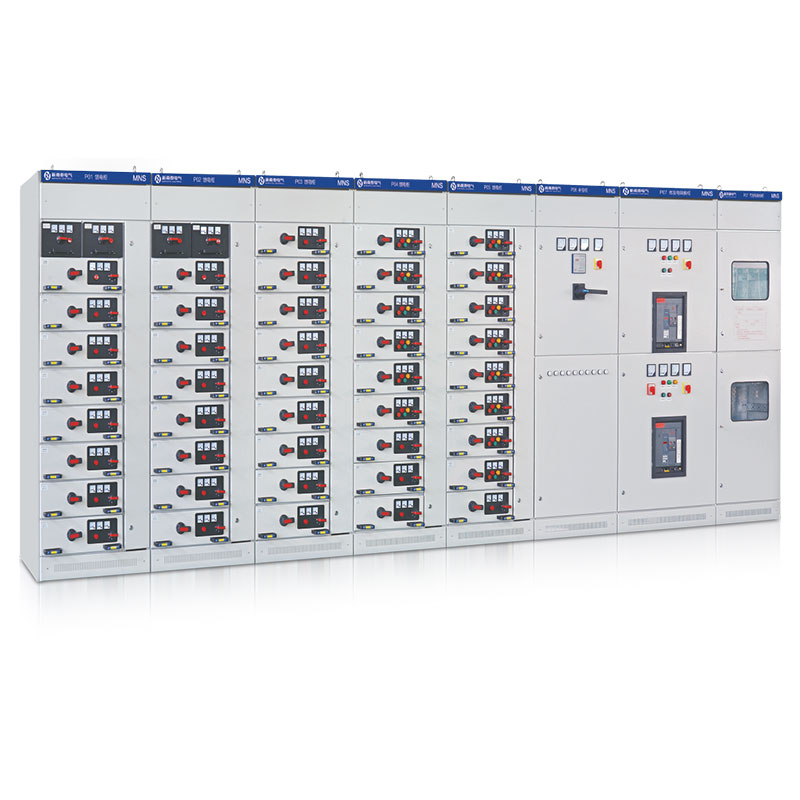


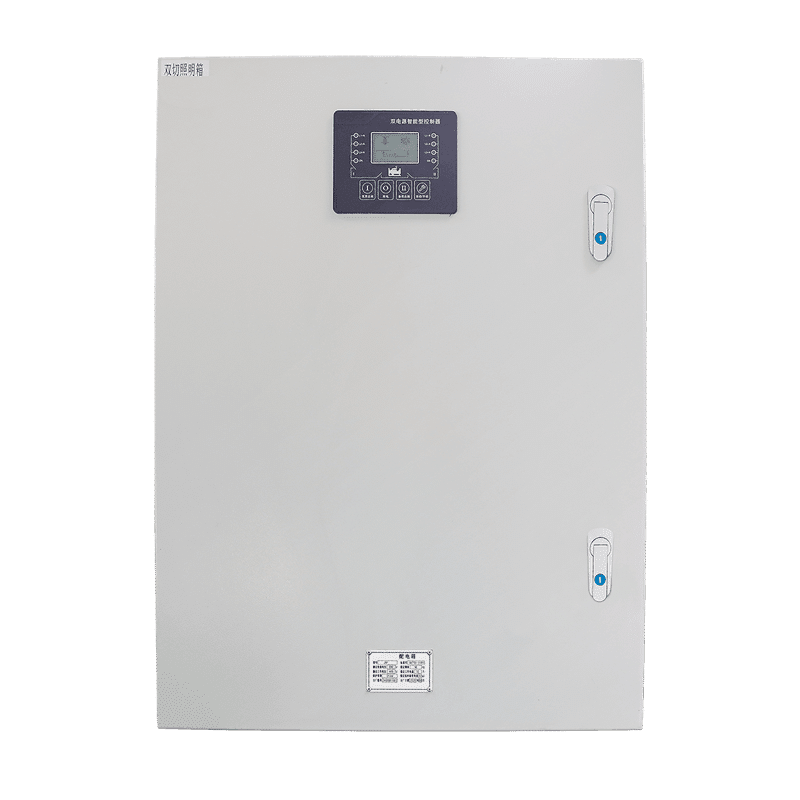


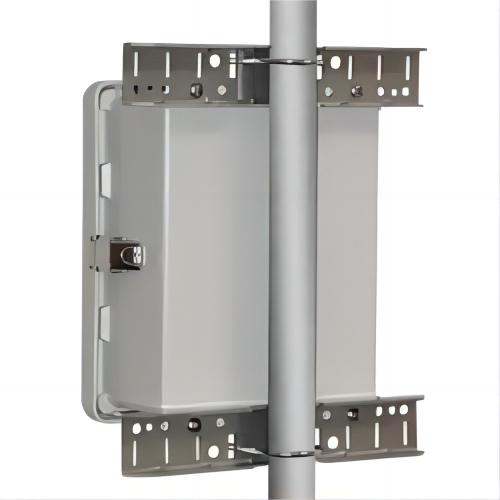



This guide is an engineering and procurement aid. The final enclosure, junction-box, protection, and installation decisions must follow the equipment data, local requirements, approved drawings, and the supplier’s documented capability. A search result or competitor page is not evidence that ElectricalCabinet.net offers a particular rating or certification.
IP68 and IP69 solve two different water problems. IP68 proves that an enclosure can withstand continuous immersion at a depth and duration defined by the manufacturer; IP69 proves that it can withstand high-pressure, high-temperature spray cleaning. Neither result implies the other – a submersible box is not automatically washdown-proof, and a washdown-rated panel can fail a static immersion test. This article sets out what each rating tests, how to build the exposure profile that decides between them, and what evidence a complete-assembly purchase requires.
What each rating actually tests
Both codes come from the IEC 60529 IP system: the first digit is always 6 (dust-tight), and the second digit identifies the water test.
| Attribute | IP68 (second digit 8) | IP69 / IP69K (second digit 9) |
|---|---|---|
| Exposure modeled | Continuous or standing submersion | Close-range pressure washing |
| Test condition | Immersion under conditions agreed with the manufacturer – depth, duration, and water stated in the report | High-pressure, high-temperature water jets (approximately 80 °C at pressures around 80 bar) sprayed close to the enclosure from multiple angles |
| Governing physics | Hydrostatic pressure over time; seal creep | Jet impact, water wedge-ing at seams, thermal shock to gaskets |
| Typical failures | Cable-entry leaks under pressure, gasket compression set | Water driven through micro-gaps by jet force, gasket degradation from hot chemicals |
| Common applications | Underground junction boxes, marine and pit installations, buried sensors | Food, beverage, and pharmaceutical washdown lines; vehicle and outdoor equipment exposed to pressure cleaning |
One historical note matters for procurement documents: the IP69K designation originates from the road-vehicle standard ISO 20653 (formerly DIN 40050-9), while IP69 with the second digit 9 is the IEC 60529 version of the same high-pressure, high-temperature spray test. Suppliers quote either; the practical step is to ask which standard the report was run to and what nozzle distance, water temperature, and cycle time were used.
Build the exposure profile before choosing a number
An installation may involve immersion, high-pressure cleaning, elevated temperature, chemicals, or several of these at different times. Select the enclosure and accessories from the real sequence of exposure rather than treating the highest-looking number as a complete design.
| Item | Record before selection |
|---|---|
| Cleaning method | Pressure, distance, temperature, chemicals, frequency, and direction of the actual washdown equipment. |
| Immersion condition | Depth, time, medium, temperature, and whether the cabinet is energized or drained afterward. |
| Materials and seals | Compatibility of body, gasket, fasteners, windows, and cable entries with water temperature and cleaning chemistry. |
| Maintenance cycle | How often doors, glands, and covers are opened, replaced, or re-torqued – every reopening is a seal-integrity event. |
| Thermal cycling | Whether hot washdown followed by ambient rinse creates condensation and pressure cycling inside the box. |
In washdown plants the profile often decides the material before the rating: 304 or 316 stainless steel or specialized polymers are used because 80 °C chemical spray attacks coatings and gaskets long before it defeats the IP seal. In immersion applications the cable entries govern: a gland rated for splash will pass water under hydrostatic head, so glands and blanking plugs must carry immersion-level evidence.
Standards and certification evidence for complete assemblies
- IEC 60529. Defines both the immersion test (IPX8 conditions per manufacturer declaration) and the high-pressure hot-water spray test for the second digit 9. The certificate must state the tested depth/duration for IP68 and the spray parameters for IP69; a bare “IP68” on a drawing is not a usable specification without those numbers.
- ISO 20653 (IP69K origin). Road-vehicle protection degrees frequently quoted for washdown components; verify the report parameters, not just the code.
- NEMA 250. Where a North American project uses types instead of codes, the closest analogues are Type 6/6P (submersion) and Type 4X (hosedown plus corrosion resistance). Because NEMA bundles corrosion and construction requirements that IP does not, the two systems should be specified side by side rather than converted – see our IP vs NEMA planning guide.
- UL 50E and UL 508A. For North American listings, UL 50E carries the enclosure environmental construction requirements, while a populated control panel is certified as an assembly under UL 508A. A field-drilled gland hole voids enclosure evidence until re-evaluated, so order pre-configured entries for IP69 washdown projects.
- Material and environmental standards. For outdoor polymer housings request UV stability data (for example UL 746C outdoor-exposure qualification) and RoHS/REACH declarations for the destination market.
Frequently asked questions
Does IP69 include IP68, or vice versa?
No. They are independent tests. If a site has both a washdown line and a flood-prone pit area, each location needs its own rating, and any product claimed to cover both must show reports for both tests on the same configuration.
Is IP69 “better” than IP68?
It is different, not better. IP69 imposes jet impact and 80 °C-class thermal stress; IP68 imposes sustained static pressure. A box engineered for deep submersion may use thick seals and rigid bodies that are never tested against hot jets, and a washdown box may not carry any immersion evidence at all.
What depth does IP68 guarantee?
Whatever the manufacturer states. IEC 60529 sets the minimum test beyond IPX7 conditions by agreement; depths of 1 m for extended periods up to tens of meters all appear on certificates. Read the report, and match it to the site’s worst credible flood or burial depth.
Why do cable glands decide the result so often?
Because they are openings. The enclosure body is moulded or welded metal or polymer, while every gland is a mechanical seal around a moving, tensioned cable. Under immersion head or hot jets, entry points leak before the door seal does – which is why gland evidence must match the enclosure rating, a planning issue covered with membrane and traditional glands in our cable-entry planning guide.
Do cooling accessories change the rating?
They can. Filtered fans obviously open the box to air path and cannot be used at IP68/69; even sealed heat exchangers and pressure-equalization vents add penetration points whose own ratings become part of the system evidence.
Selection scenarios
A dairy processor specifying roughly 50 wall-mounted control boxes for a European washdown hall would write IP69 (or IP69K) into the specification, request 316 stainless or approved polymer construction with food-compatible gaskets, ask for the spray test report parameters, and require EN 60529/ISO 20653 evidence plus CE and material declarations – the number alone, without the report, would not survive commissioning. A water-utility project burying 20 signal junction boxes below flood level takes the opposite branch: IP68 with the manufacturer’s stated depth exceeding the site’s flood model, immersion-rated glands, corrosion-protected hardware, and pull-pit documentation so that every reopening during service restores the certified condition. In both purchases the exposure profile, not the higher digit, writes the specification.
 EN
EN