








Requesting a quote for electrical enclosures is fast when the enquiry is complete and slow when it is not. Before asking a manufacturer for pricing, a buyer who has locked down the equipment list, dimensions, thermal load, environment, and certification requirements typically receives an accurate quotation in one or two rounds; a vague enquiry generates a placeholder price that changes after technical review. This FAQ consolidates the questions our own customers resolve before requesting a quote, and explains why each input moves the price.
What should a buyer define first?
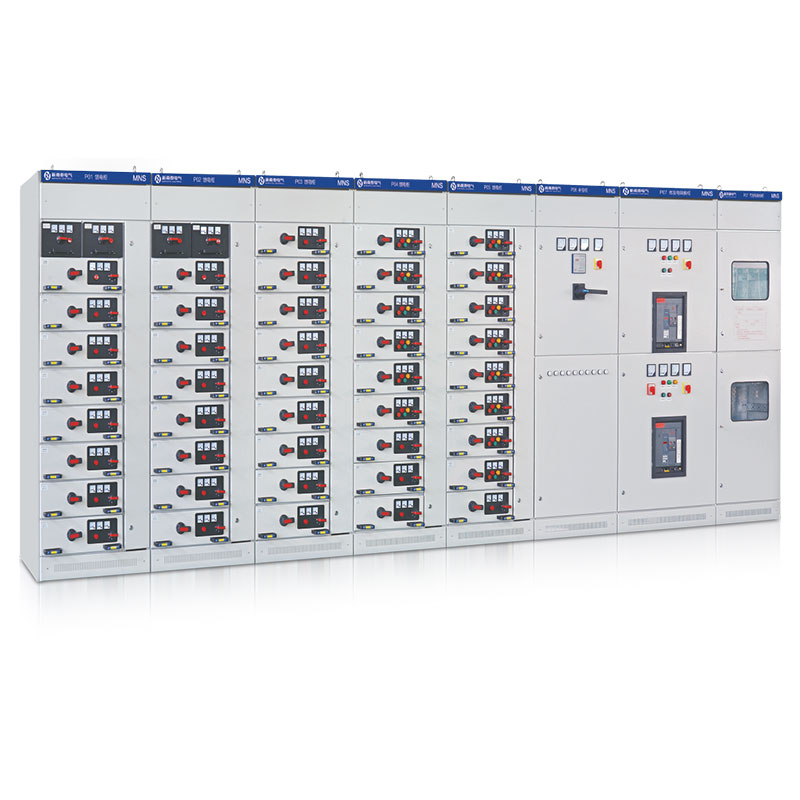
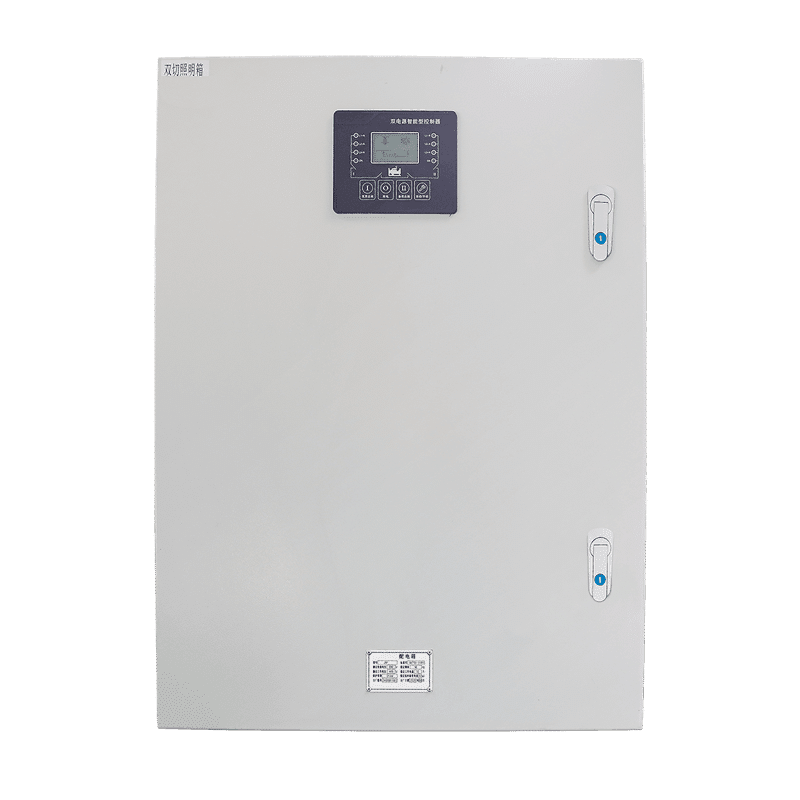
Define the equipment, dimensions, heat load, environment, mounting, cable entry, access, material, rating evidence, quantity, and documentation. A supplier can quote more accurately when these inputs are separated from preferences. The table below shows the twelve inputs that determine most enclosure quotations, and what a complete answer looks like for each.
| Input | Why it moves the quote | What a complete answer includes |
|---|---|---|
| Equipment list | Sets internal volume and layout | Component names, sizes, and heat dissipation in watts |
| Internal dimensions | Drives enclosure size series | Width x height x depth of the assembled equipment |
| Heat load | Determines if passive cooling suffices | Total watts dissipated; see our temperature rise calculator |
| Environment | Sets rating and material class | Indoor/outdoor, corrosive agents, UV, wash-down, dust |
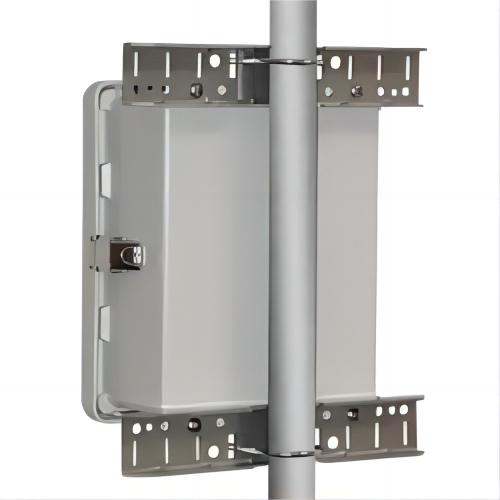
| Mounting | Changes frame and door construction | Wall, floor, flush, pole, or free-standing |
| Cable entry | Affects bottom plates and glands | Gland sizes, quantity, plinth or plate type |
| Access control | Locks, handles, interlocks | Key type, dual latching, security class |
| Material | Steel, stainless, aluminium, polycarbonate | Grade (304/316), thickness, coating system |
| Rating evidence | Type-test reports vs self-declaration | See standards section below |
| Quantity | Tooling amortisation per unit | First order and annual forecast |
| Lead time expectation | Standard stock vs production slot | Project milestone dates |
| Documentation | Verification effort before shipment | Drawings, material certificates, test reports |
Rating evidence: UL, NEMA, and IEC in one view
Rating claims are not all backed by the same class of evidence, and the difference matters at acceptance. NEMA 250 ratings (Type 4, 4X, 12, etc.) are defined by type tests covering rain, dust, icing, and corrosion as applicable. IEC 60529 IP codes describe ingress protection only — IP66 addresses dust and heavy seas, but says nothing about icing or corrosion, so IP and NEMA ratings are not equivalent in both directions. UL 50E covers enclosure performance, and a “Listed” mark means the complete enclosure was evaluated, while “Recognized” covers a component evaluated for use inside a specific end product. For enclosures housing industrial control circuits in the North American market, UL 508A applies to the finished panel rather than the empty box. Buyers serving both markets should specify which evidence package the project requires — NEMA 250 type-test reports, IEC 60529 test certificates, or both.
Common questions to resolve
| Question | Required input |
|---|---|
| Indoor or outdoor? | Rain, UV, dust, corrosion, temperature, and drainage |
| What must fit inside? | Component list, layout, clearances, heat, and spare space |
| How do cables enter? | Glands, plates, bend radius, shielding, and grounding |
| Will the enclosure be modified on site? | Drilling rules, warranty impact, rating retention |
| Who supplies the backplate and hardware? | Included, configured, or supplied separately |
| What finishes are available? | Powder coat RAL, stainless brushed, anti-corrosion systems |
Each row deserves an answer in writing before the quote, because each one changes either the price or the delivery risk. Site modification is the most underestimated: drilling an unsealed hole in a Type 4X enclosure voids the rating unless the hole is fitted with a certified gland or plug.
Quantity, lead time, and how they interact
Enclosure pricing is quantity-sensitive because set-up, tooling for cut-outs, and powder-coat colour changes amortise across the batch. A first order of 20-50 units is normal for a custom configuration; annual forecasts of several hundred units justify dedicated fixtures and improve unit price. Standard stocked configurations ship in days, while custom enclosures typically run on production slots measured in weeks — plan the enquiry so that drawing approval, not manufacturing, is the only item left on the critical path.
Documentation to request with the quote
A complete quotation should state what arrives with the goods: general arrangement drawings for approval, material certificates (for example EN 10204 3.1 for stainless plates), surface treatment specification, and the rating evidence package agreed above. For projects in corrosive environments, request the coating system specification — a C5-M class system per ISO 12944 is a different product from a standard indoor powder coat.
Frequently asked questions
Why did two enclosure quotes for the same drawing differ by more than 30 percent?
Usually the material grade, thickness, coating system, or the class of rating evidence differs — one supplier quoting self-declared ratings and the other quoting type-tested constructions.
Which of those cost differences can be removed?
Specifying a higher grade than the environment needs is the most common overspend; matching 304 versus 316 stainless, or Type 12 versus Type 4X, to the actual environment controls cost without adding risk.
How does a 50-unit first order change versus a 500-unit annual commitment?
The smaller order carries more set-up per unit and standard tooling; the larger commitment justifies dedicated fixtures, staged deliveries, and better unit pricing.
Can we start with a small pilot order?
Yes — a pilot batch of the fully configured enclosure is the standard way to validate fit, thermal behaviour, and rating details before committing to volume.
Do you supply the enclosure empty or fully fitted?
Both. Empty enclosures, enclosures with backplates and hardware, and fully fitted control enclosure assemblies are separate commercial items; state which one the quote is for.
Two scenarios that show the inputs in use
A buyer placing a first order of 50 Type 4X stainless enclosures for a coastal wastewater project should lock the 316 grade, the C5-M coating system, the gland plate layout, and the NEMA 250 type-test report requirement before requesting the quote — these four inputs move the price more than the enclosure size itself. A buyer sourcing 200 Type 12 painted steel enclosures for an IEC-market factory build should instead fix the IP rating evidence, the RAL colour, the mounting hardware scope, and the delivery phasing against the installation schedule.
Related reading: IP vs NEMA enclosure ratings explained, the NEMA to IP converter, and our guide to electrical enclosure material selection.
 EN
EN