








Understand junction-box purpose by reviewing conductors, terminals, splices, entries, protection, and access. This guide supports design and procurement discussions; confirm the final installation and applicable requirements with the responsible qualified engineer.
A junction box is an enclosed, protectively earthed (where metallic) container in which two or more electrical conductors are joined, branched, or transitioned between cable types – and in which those connections remain accessible for inspection and service. Its purpose is threefold: to keep splices and terminals out of accidental contact, to shield them from the environment (dust, water, oil, impact, and corrosion), and to contain the effects of a fault. Wherever a cable run must branch, change direction into equipment, switch sizes, or transition from fixed wiring to flexible cords, a junction box is normally required rather than an exposed splice.
Regional naming varies: an electrical jointing box (electrical joint boxes in the plural, common in UK and Middle East project documents), a j-box — also written electrical j-box or simply jbox — the site shorthand in North America, and a junction box all name the same component: an enclosure where conductors are joined and kept inspectable. The term matters less than the ratings behind it — ingress protection, material, and wiring volume rules apply whatever the box is called.
What happens inside a junction box
The internal work of a junction box is simple but has strict requirements. Conductors arrive through cable entries, are fixed against pull, and terminate on terminal blocks, connectors, or approved splice devices. What the box actually protects:
| Function | What it means in practice |
|---|---|
| Connection housing | Terminal blocks, splices, or connectors organized with wiring space and creepage/clearance per device data |
| Protection from environment | Ingress protection against dust and water (IP-rated), oil and coolant resistance (NEMA 12/13 contexts), and impact resistance |
| Protection of people | Live parts enclosed; metal boxes bonded to the protective earth |
| Fault containment | Minor arcing or heating contained; enclosure material and volume matter for the fault case |
| Service access | Openable cover for inspection, testing, adding circuits, or re-terminating under safe isolation |
A junction box is therefore not a “small enclosure” chosen by convenience: it is the interface point of the whole cable system, and its sizing follows the number of conductors, terminal count, and the working space the code requires around them. Overfilled boxes are among the most common site defects – conductors pressed against covers, terminals under constant stress, and heat that cannot escape.
Common junction-box types
| Type | Typical construction | Where it is used |
|---|---|---|
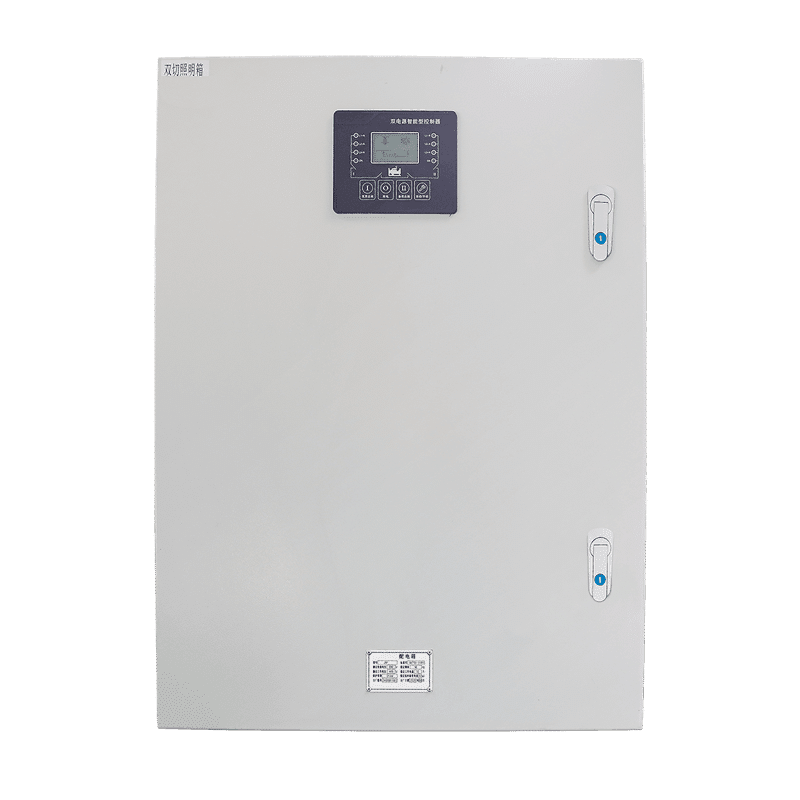
| Indoor general-purpose | Painted steel or ABS, IP54-class or NEMA 1/12 | Building wiring, machine wiring in dry rooms |
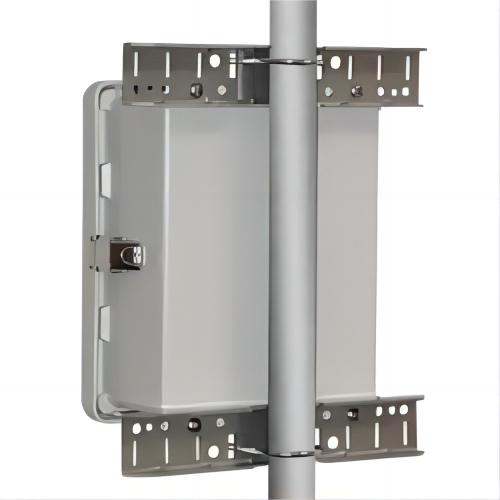
| Outdoor / weatherproof | GRP, polycarbonate, or galvanized steel, IP65/IP66 | Facility exteriors, gardens, pole-mounted services |
| Industrial metal | Steel, stainless steel, or cast aluminum, NEMA 4X / IP66 | Factories, washdown, and corrosive areas – see our metal junction box use cases |
| Hazardous-area | Ex-certified enclosures (flameproof or increased safety) | Zones classified under IEC 60079 or NEC Article 500 schemes |
| Control-station boxes | Boxes with pushbutton/signaling cutouts | Local operator stations on machinery |
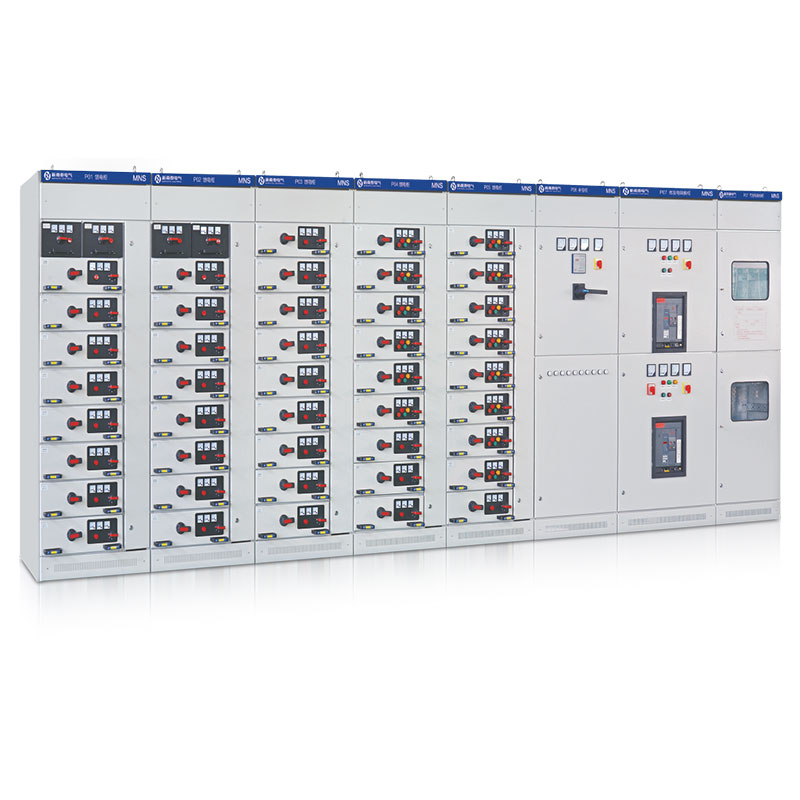
For heavier-duty distribution rather than simple joining, the equipment shifts from junction boxes to full electrical enclosures, and the dividing line is written by ampacity and terminal count, not by the word on the catalog page.

Define the application first
Selection should follow the equipment outline, interfaces, environment, mounting, access, service plan, and documentation required for the complete installed configuration.
| Input | Why it matters |
|---|---|
| Equipment and interfaces | Sets internal layout, cable entries, clearances, and access: conductor count and terminal size decide the minimum volume. |
| Environment and duty | Guides material, sealing, heat, corrosion, impact, and exposure review – indoor dry service, outdoor rain, washdown, and buried service each point to different constructions and ratings. |
| Mounting and modification | Controls brackets, fasteners, cutouts, grounding, and post-work evidence; field-drilled entries change the ingress evidence. |
| Access and service | How often the box opens, whether circuits stay live during service, and labeling of every conductor for safe identification. |
| Validation and records | Defines drawings, inspection, testing, and supplier documentation. |
Do not transfer a competitor rating, certification, or performance claim to the complete assembly without project-specific evidence.
Standards relevant to junction boxes
- IEC 60529. The IP code used to specify ingress protection of the installed box – dust-tight first digit and water second digit, tested per configuration.
- NEMA 250 / UL 50E. North American enclosure types and the environmental construction requirements behind UL-listed enclosures; NEMA 12 and 4X are the common junction-box types for industrial use.
- IEC 60670 series. Requirements for boxes and enclosures for electrical accessories in fixed installations (for example, IEC 60670-1 for general requirements and Part 22 for connecting boxes used in building wiring).
- IEC 60947-7-1. Terminal blocks for copper conductors – the devices inside most industrial junction boxes, with their own creepage, clearance, and torque data.
- IEC 62208. General requirements for empty enclosures intended for low-voltage switchgear and controlgear assemblies – the framework under which many empty industrial boxes are type-tested.
- RoHS / REACH. Material declarations frequently requested for polymer boxes exported to the EU.
Frequently asked questions
Can I make cable splices without a junction box?
Generally no for fixed wiring: installations rules require connections to be accessible, enclosed, and protected, which in practice means a box or an enclosure designed for the purpose. Exceptions exist for certain molded or connector systems approved by their own standard – the engineer confirms each case.
Does a junction box need to be metal?
No. Polymer boxes are widely used and often better in corrosive sites; metal is preferred for impact, shielding, or where bonding of the box itself is specified. The trade-offs for both, and for outdoor plastic in particular, are covered in our outdoor plastic junction boxes pros and cons.
How do I size a junction box?
Add up conductor counts and terminal sizes, apply the wiring-space rules of the applicable installation code, and leave service margin – a box filled to 90 % of volume on day one cannot absorb circuit additions or re-termination.
What rating should an outdoor junction box have?
Common practice is IP65 as a minimum for sheltered outdoor use and IP66 for driving rain and hosedown exposure, with UV-stable material; buried or flooded locations need immersion-rated boxes and glands.
Why do unused cable entries matter?
Every opening is part of the ingress rating. Unused entries must be closed with rated blanking plugs, not tape – one unsealed knockout can defeat an IP66 claim in the first rainstorm.
Ordering scenarios
A contractor fitting out 200 outdoor lighting and CCTV junction points on a coastal project would specify IP66 GRP or UV-stabilized polycarbonate boxes with stainless hardware, immersion-capable glands, and IEC 60529 evidence, plus RoHS/REACH declarations for the EU destination. A machine builder embedding 60 signal junction boxes inside equipment frames takes the industrial-metal branch: steel or stainless NEMA 12 boxes for oil-laden air, terminal blocks per IEC 60947-7-1, labeled both ends, and drawings that record every conductor path so commissioning does not reverse-invent the box contents.
 EN
EN