







Electricity runs our daily lives via a complex network that most of us probably never think about. At the back, however, lies a sophisticated infrastructure at work to ensure that we always have safe and reliable power. Two such critical components are the switchgear and electrical switchboards, which manage and distribute electricity—something most often overlooked but quite indispensable to the entire system. Although it may be noticed by some that the names of switchgear and switchboard basically sound the same, they still both have unique and very critical functions. The differences between these two equipment are very important to appreciate how our electrical systems can effectively and securely function to protect people and equipment.
Understanding Switchgear
What is Switchgear?
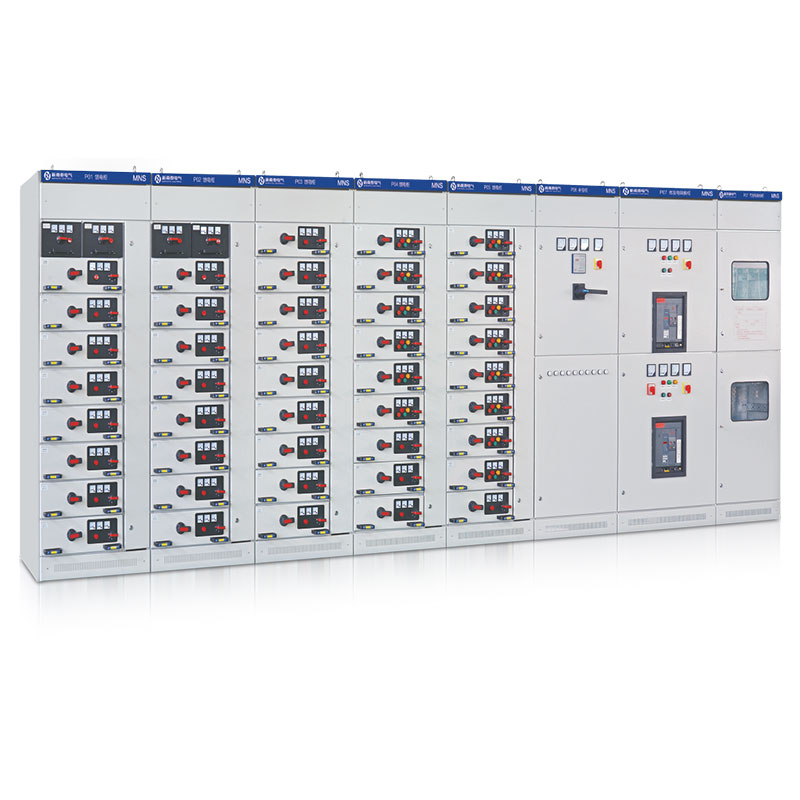
Switchgear is the generic term for a large number of devices designed to switch, protect, and isolate electrical circuits. It caters to all voltage levels, from low to high, in the electrical system. The devices are critical in making an electrical system operate safely and efficiently. This is done by controlling the flow of electricity, making sure it is correctly distributed, and providing protection against faults or overloads in the system.
Some vital switchgear include circuit breakers, fuses, isolators, and relays, all of which are crucial to electrical power management. Circuit breakers are set to open and break the flow of electricity in the event of faults, thus protecting equipment from damage and minimizing the risk of fire. Fuses provide similar sorts of protection by melting when the current is too great and breaking the circuit. Isolators, on the other hand, isolate totally shut off a subsection of a circuit to allow maintenance work to be carried out, or perhaps in an emergency, without exposing people who may be working on the system. Basically, relays measure electrical conditions and then, based on the values measured, turn other devices on, such as circuit breakers, when unusual conditions are detected.

Basically, these devices work together in all sorts of applications, from generators and transformers at generation facilities to critical infrastructure like motors, transmission lines, and industrial electrical installations. In such environments, switchgear not only controls the flow of electricity but also assumes an important function in equipment protection and the overall safety and reliability of the electrical system. Starting from the smallest to the largest industrial complexes or installations, the switchgear becomes crucial for sustaining uninterrupted power supply and protecting human life as well as valuable assets against damage.
Components of Switchgear
Switchgear comprises two main components:
- Power Switches: Such as circuit breakers and fuses that disconnect power during faults.
- Power Control: Including control panels, relays, and transformers to monitor and manage electrical flow.
Understanding Electrical Switchboards
What is an Electrical Switchboard?
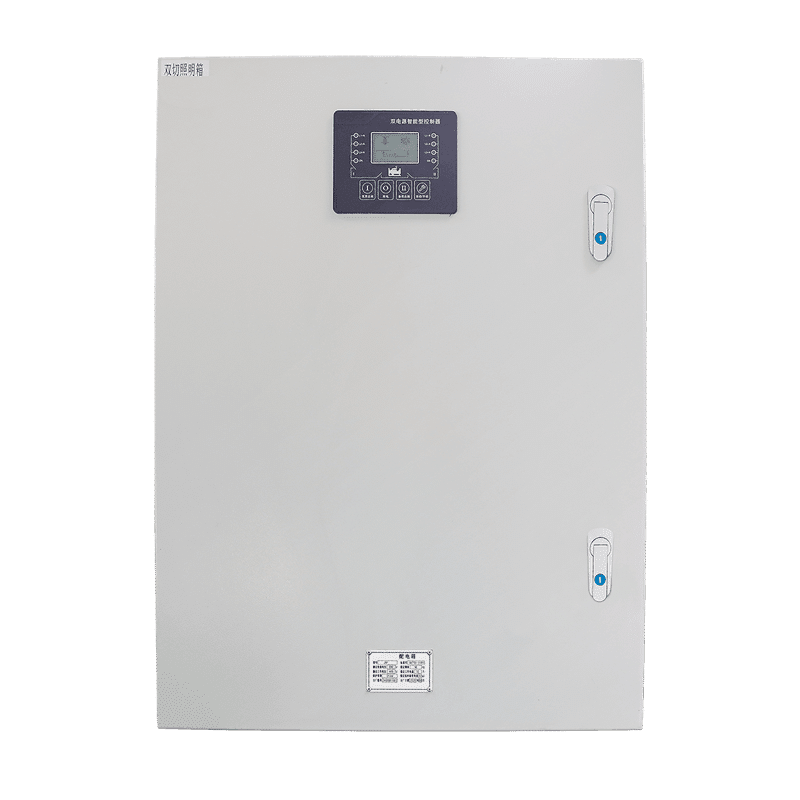
Basically, the switchboard is one of those few crucial devices arranged in electrical systems responsible for the safe and efficient distribution of electricity to commercial and industrial establishments. The switchboard is a point where high volumes of electrical power are received from the main supply before being distributed into smaller, manageable circuits. These circuits will lead the distributed power to different points within the facility, such as individual loads, transformers, and control equipment.
In general, the switchboard functions ensure electricity supplied to its various consumers is in an orderly manner without overloads and with minimized chances of electrical faults. The subdivision of the incoming power into smaller circuits allows it to generate fine control in the distribution of the electricity, which supplies an accurate amount of power to each of the area or equipment piece. This guarantees the electrical system is at all times at peak performance and is also safer by avoiding potential dangers like short-circuits, fires, or damage to equipment.

Besides the power distribution function, switchboards have protective devices like circuit breakers and fuses. The switchboard, however, is imperative because these parts automatically cut the power in case faults occur that are in return very effective because operating personnel would not be at risk of electrical shock and for maintaining maximum performance of the system. In addition, fitting monitoring and control apparatuses on the switchboards would give the operator a view and control of electrical distribution in the facility and make real-time changes to ensure it maintains the maximum performance.
Switchboards play a big role in ably and safely administering power efficiently, be it in a small commercial building or a large industrial complex. They distribute and deliver electricity to whatever location is in the facility, so that systems and equipment may function easily and without a hitch.

Components of Switchboards
Switchboards feature:
- Panels or Frames: Housing switches and indicators for power delivery and control.
- Control and Monitoring Devices: Such as frequency gauges and synchroscopes to manage multiple power sources.
Switchgear vs. Switchboards: Key Differences
The table below summarizes how an electrical switchboard and switchgear differ across the dimensions that matter most in specification decisions. Each row is expanded in the sections that follow.
| Dimension | Electrical Switchboard | Switchgear |
|---|---|---|
| Primary role | Distributes power in a freestanding, operator-accessible assembly | Switches and protects large power flows at the service, distribution, or transmission level |
| Voltage level | Low-voltage focus — typically up to 600 V in North American practice; IEC low-voltage assemblies reach 1,000 V AC | Spans low voltage (up to 1 kV), medium voltage (5–35 kV), and high voltage (IEC above 52 kV, ANSI/IEEE above 35 kV, with EHV classes to 800 kV) |
| Circuit breaker types | Molded-case circuit breakers (MCCBs), fused switches, and metering units grouped in one structure | Drawout low-voltage power circuit breakers (ACB); vacuum and SF₆ interrupters at medium and high voltage |
| Protection level | Overcurrent protection and metering at the building distribution level | Full protection chain: relays detect faults, breakers interrupt within cycles, disconnectors provide visible isolation for maintenance |
| Governing standards | UL 891 (North America); covered as a low-voltage assembly under the IEC 61439 series | LV: UL 1558 / IEEE C37.20.1 / IEC 61439-2. HV: IEC 62271-100 and -203 plus the IEEE C37 series |
| Construction and access | Freestanding front-accessible structure, usually indoor, with a dead-front cover facing the operator | Metal-clad or metal-enclosed, indoor or outdoor, often with drawout compartments and arc-flash mitigation |
| Typical applications | Commercial buildings, factories, and residential complexes — incoming distribution | Utility substations, transmission interconnections, generation, and large industrial service entrances |
| Relative cost | Lower — the economical choice for low-voltage distribution | Higher — heavier bus bracing, higher short-circuit withstand, and more sophisticated protection |
Hardware Components
- Switchgear: Focuses on switching devices like circuit breakers and fuses.
- Switchboards: Emphasizes panels and devices for distributing and controlling power flow.
Usage
- Switchgear: Powers and protects large-scale electrical systems.
- Switchboards: Distributes electricity within buildings and facilities.
Voltage Handling
- Switchgear: Handles high voltages up to 350 kV.
- Switchboards: Suitable for lower voltages, typically up to 600 volts.
Safety Features
- Switchgear: Offers automatic safety features and robust casings for both indoor and outdoor use.
- Switchboards: Uses a freestanding dead-front structure and focuses on distributing and metering power usage.
Related Comparisons: Transformers, Distribution Boards, and Panel Boards
Two neighboring comparisons come up alongside this one. Transformer vs switchgear is not really a contest: a transformer changes the voltage level, while switchgear switches and protects the circuit that feeds it—the two are usually specified together, with switchgear or a ring main unit sitting on the transformer’s primary or secondary side. Distribution board vs switchboard and panel board vs switchboard are closer questions: a distribution board (called a panel board in North American usage) is the smaller, downstream overcurrent-protected enclosure feeding final circuits, whereas each switchboard type is a larger assembly that combines incoming switching, metering, and multiple outgoing sections. Choosing between them is a matter of position in the one-line diagram rather than a choice between competing products.
FAQ About Switchgear and Switchboards
Q. Can switchgear be installed in a variety of environments?
A: Yes, the switchgear is versatile and can be installed in various environments depending upon the particular needs of the electrical system.
Q: What are some of the more common uses for switchboards?
A: Switchboards are primarily used in commercial buildings, factories, and residential complexes for the proper and safe distribution of electricity.
Q: How do switchgear and switchboards differ in terms of cost?
A: Switchgear tends to be more expensive due to its higher capacity and robust design compared to switchboards, which are more economical for lower voltage applications.

Conclusion
In conclusion, switchgears and switchboards present a very important aspect in any electrical system, although they serve very different purposes in relation to voltage levels and service requirements. These differences will be instrumental in choosing the right equipment for the installation and operation of electrical distribution systems, with respect to the achievement of efficiency and safety while minimizing the waste of energy and potential hazards.
This is actually very essential at the time one status as a stakeholder vested with the role and mandate to ensure the reliability and safety of such electrical infrastructure. Recognize the difference in roles of switchgear versus switchboards. The role exercised by switchgear, as far as power protection is concerned, is the protection of the system against faults and the smooth running of high-voltage equipment and machinery. On the other hand, switchboards deal mostly with electricity distribution, guiding power to different circuits and loads within a facility.
It then becomes necessary that designers, installers, and maintainers of industrial power networks and building electrical systems know these differences properly so that strategic use of these devices can best exploit the potential advantages of both for an improved system performance, enhanced reliability, and overall efficiency. In order to have the best operation and protection of electrical systems, it would therefore be quite hard not to understand the clear functions that differentiate switchgear from switchboards. A deep appreciation of the respective roles is the key to ensure successful and safe management of electrical power in any setting. Please contact us for more information.
The comparison above holds across voltage levels, but most facilities meet this equipment first on the low end. For that domain, the low voltage switchgear guide collects the standards, separation forms, and selection inputs in one place.
 EN
EN