

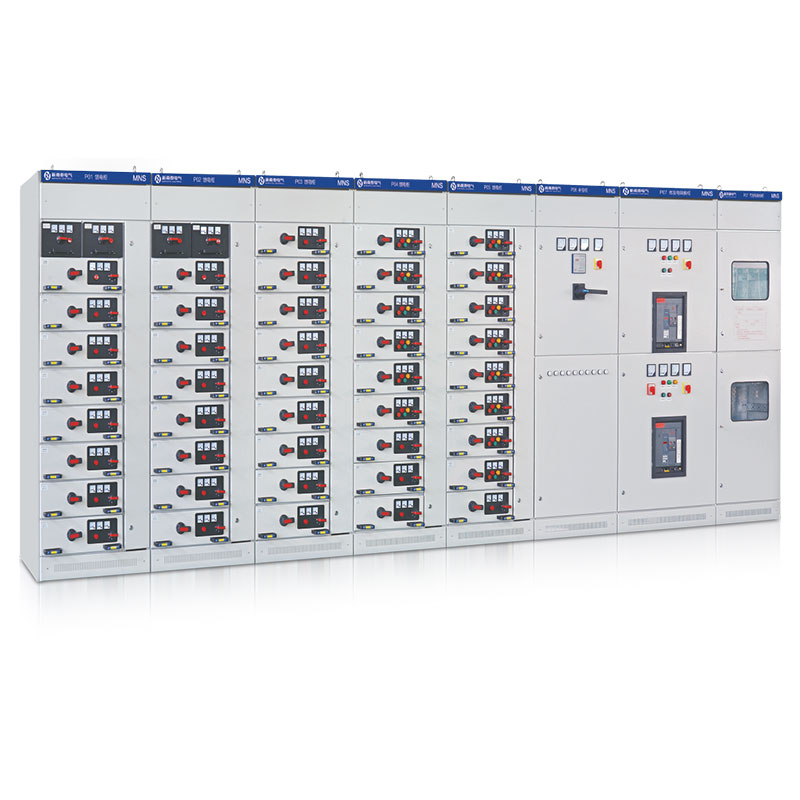


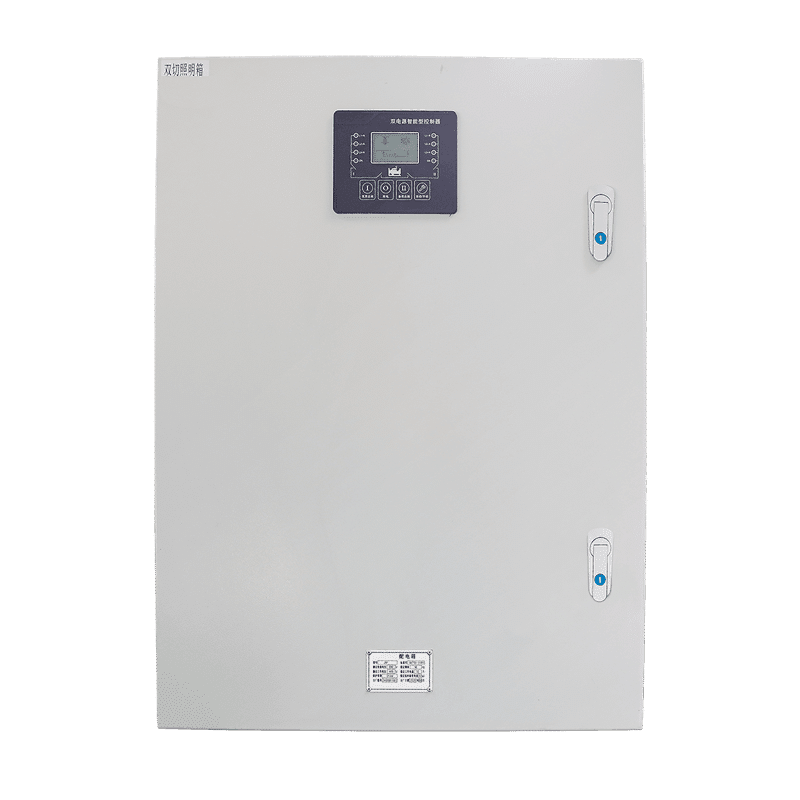


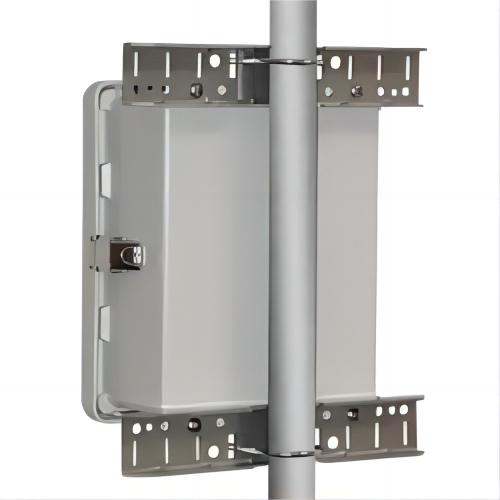


Almost every search for a custom control panel begins with the same mismatch: the machine, pump skid, or process line needs electrical control, the catalog panels almost fit, and “almost” on an electrical panel means rework in the field — the most expensive place to do engineering. Custom panel manufacturing exists precisely to close that gap at the factory, where changes cost drawings and copper instead of site labor and downtime.
We build custom control panels daily — from one-off engineering panels to repeating OEM programs. This guide covers the honest decision framework: when custom is justified, what it costs, where the schedule risk actually sits, and how to buy one without the classic rework disputes.
Custom vs standard: the decision matrix
| Situation | Recommendation |
|---|---|
| Standard pump/fan panel, common ratings, catalog enclosure fits | Standard — engineering a custom variant of a solved problem wastes money and schedule |
| Standard functions but non-standard dimensions, mounting, or gland layout | Standard + factory customization (cutouts, gland plates, subpanels, mounting brackets) — most manufacturers do this in days |
| Non-standard combination of power + control (drives, PLC, safety, metering in specific topology) | Custom — the engineering is the product |
| Machine-builder panels repeating across a product line | Custom once, then OEM repeat program — design freeze makes unit 50 cheaper and faster than unit 1 |
| Certifications outside the shop’s scope (hazloc, special listings) | Shop-specific: confirm capability before committing — no amount of schedule pressure changes a certification boundary |
The economics in one sentence: custom pays when the cost of field rework and compromise exceeds the one-time engineering cost (NRE) — and repeats best when the design is frozen after unit one. For the enclosure-specific side of this decision — standard chassis versus modified standard versus fully custom fabrication, and what each route does to ratings, listings, and reordering — see our custom vs. standard control panel enclosures comparison.
What “custom” actually buys you
A professional custom panel manufacturer delivers four layers beyond the box:
- Engineering: schematics (EPLAN or AutoCAD Electrical), component sizing to your motor/load schedule, SCCR/withstand determination for the installation, thermal and EMC engineering (drive heat, cable lengths, shield topology), and standards mapping (UL 508A / IEC 61439-2 / machinery directives as applicable).
- Fabrication: enclosure modification or full custom fabrication — cutouts, gland plates, subpanels, composite mounting, custom finishes and materials (304/316L where the environment demands).
- Assembly and integration: component mounting, disciplined wiring (color conventions, ferrules, duct discipline), PLC and drive programming where you delegate it, and labeling systems tied to the schematics.
- Verification: continuity testing (100% of conductors), insulation resistance with recorded values, functional simulation of the actual control logic, drive parameter verification, and a signed test record per panel.
Quotes that price layers 2–3 while hand-waving layers 1 and 4 are quoting a different, riskier product.
Where custom projects go wrong — and the contracts that prevent it
Late changes. The number-one rework dispute. After drawing approval, every change costs more: post-approval changes can affect cut panels, bought components, and test plans. Prevention: a formal drawing-approval milestone with a written change procedure (impact priced before work, not after).
Fuzzy scope boundaries. Programming included or not? Commissioning at site? Terminal interface stops where? Protection settings — factory or your engineer? Prevention: the purchase order names each boundary with a responsible party. Ambiguity here becomes an invoice dispute at energization.
Component surprises. During tight supply cycles, substitution happens. Prevention: a named-component BOM with an agreed substitution procedure (equivalent brand tier + written approval) rather than an absolute freeze that guarantees missed dates, or an open clause that invites gray-market parts.
Test disagreements. “It worked when it shipped” without records meets “it doesn’t work installed.” Prevention: test protocol as a contract document, executed and signed per panel serial number, with functional criteria defined from your sequence — not the shop’s generic checklist.
Documentation debt. The panel works, ships, and five years later nobody can modify it. Prevention: documentation deliverables listed in the PO — as-built schematics, BOM with part numbers, layout drawings, test records, PLC source files and parameter backups (ownership settled contractually).
The buying process, step by step
- Package the enquiry: motor/valve/actuator schedule, control narrative or existing schematics, environment, standards destination, available fault current, cable/gland expectations, target dates.
- Qualify the manufacturer: certification fit (UL 508A shop for US work — verify in UL Product iQ; IEC 61439-2 design verification for CE), sample-panel workmanship review (video close-ups are fine), test protocol depth, and the engineering quality of their questions.
- Approve drawings formally. This milestone anchors schedule, price, and the change procedure. Staff it with your engineer; 48-hour turnaround protects your production slot.
- Witness FAT (live video or third party): functional simulation of the real sequence, not lamp checks.
- Receive with the checklist: test records, documentation package, parameter backups, spares list.
Cost and schedule structure (what professional quotes look like)
- NRE separated from build cost: engineering, drawings, and test-plan development as one-time items; amortizing toward zero across OEM repeats.
- Typical lead times: custom panels 4–8 weeks from drawing approval (2–3 weeks for simpler builds); add time for listings, witnessed FAT, or exotic components. The true schedule gates are engineering hours and test-bench availability.
- OEM program economics: after design freeze, repeat panels price near-standard with compressed lead times (manufacturers commonly quote framework pricing against scheduled batch releases); the design archive (drawings, programs, frozen BOM) is the asset — its maintenance discipline is a legitimate supplier-evaluation criterion.
- Payment structure: staged payments against drawing approval, FAT, and shipment are standard and protect both parties on one-off builds.
Constraints make or break the custom route. If your first order is only 50 panels carrying a 20-day delivery expectation against a fixed budget, the workable path is narrow and it is not “rush the engineering”: 20 days fits a manufacturer with a production-ready platform adapted to your I/O list and motor schedule — drawings approved inside 72 hours, standard enclosure families, components from stocked authorized channels. It does not fit new bespoke topology, exotic components, or a certification the shop must first obtain. Spend the fixed budget where it protects the deadline: frozen scope, named-component BOM with an agreed substitution ladder, and a functional FAT done live. The classic custom-panel failure at this scale is not price creep — it is the fifth change request in week two, each one buying three days of schedule and a re-test.
FAQ
How much does a custom control panel cost?
Honest range discipline: panel cost is dominated by components (drives and breakers set the floor), enclosure material, and engineering hours. Quotes that come in dramatically below peers have usually cut the invisible layers — engineering, testing, documentation — which you repurchase later as field rework at site rates. Compare at the BOM and test-protocol level, not the total line.
Which parts of a custom quote are negotiable without adding risk?
Component brand tier within authorized channels, enclosure finish options, and the FAT witnessing format (live video versus third-party versus attendance). Engineering hours, test scope, and documentation deliverables are where “negotiating” quietly converts factory checks into your field problems.
How does a 50-unit first order with a 20-day target and a fixed budget change the approach?
It narrows the design space to platform adaptation rather than clean-sheet engineering — standard enclosure families, stocked components, drawings approved in days. The budget then buys schedule protection: frozen scope, a substitution ladder agreed in advance, and change requests deferred to the second build, where they belong.
Can I supply my own components?
Often possible (“free-issue”), but it shifts warranty boundaries and schedule risk to you (missing or defective parts stop the line). Workable for proprietary items; counterproductive for commodity hardware the manufacturer sources with terms.
Who should own the PLC program?
Contractually: you, unless you explicitly license otherwise. Practically: require the commented source, compiled backups, and parameter files as delivery items either way.
What if I only need one panel?
Custom manufacturers build one-offs routinely — the NRE is real but bounded. The customers who regret it are those who let the design keep moving after approval; the ones who freeze it get exactly the panel the machine needed.
Related reading
- custom electrical cabinet build service — how we scope one-off and repeat custom cabinet programs.
- electrical control panel guide — the underlying panel engineering before the custom-vs-standard decision.
- electrical control panels — our product-line overview of standard panel platforms.
Engineering note: ElectricalCabinet.net manufactures custom control panels for OEM and project customers under UL and IEC frameworks. This guide is a procurement framework; project-specific designs, ratings, and compliance require qualified engineering review.
 EN
EN