



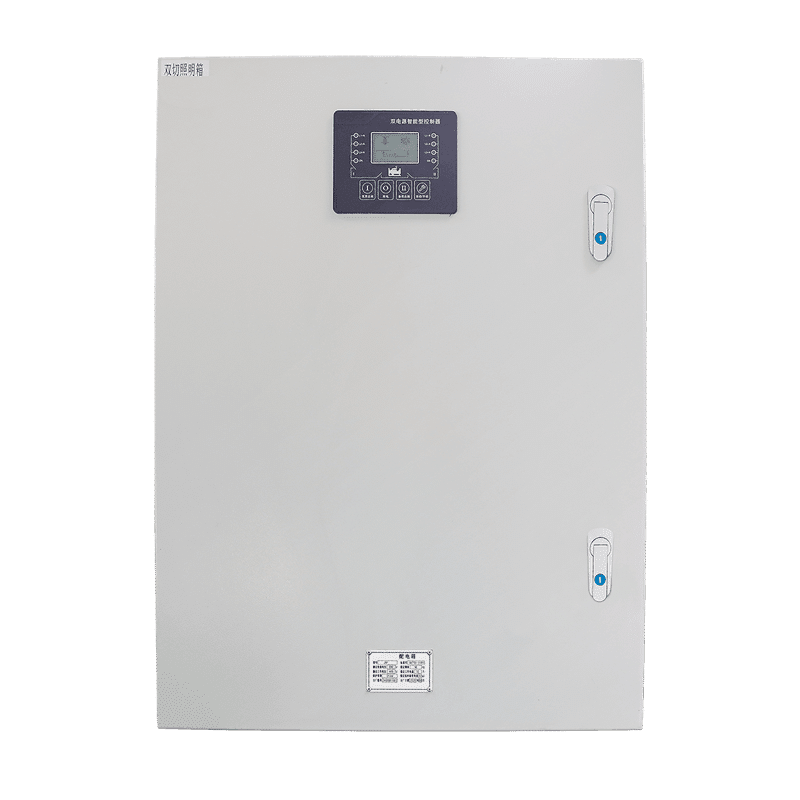




If you are specifying an industrial control panel for installation in the United States, three words will decide whether it passes inspection: UL 508A panel shop. Inspectors, insurers, and AHJs (authorities having jurisdiction) increasingly treat panels built by non-certified shops as field-engineering problems — subject to rejection, expensive re-certification, or removal from service. Yet the certification is widely misunderstood: what it covers, what it does not, and how to verify that a given shop actually holds it.
We build UL 508A panels for North American customers. This guide explains the system from the manufacturer’s side so you can verify any supplier’s claims — including ours — in a few minutes.
What UL 508A actually is
Two distinct things share the name, and separating them is the first step:
- UL 508A — the standard: “Standard for Safety for Industrial Control Panels.” It governs construction of industrial control panels: component suitability, spacing (creepage and clearance), wiring methods, conductor ampacity, temperature rise, enclosure suitability, and the marking requirements including the SCCR (short-circuit current rating).
- UL 508A Panel Shop Program — the certification: a UL follow-up service under which a shop is authorized to build panels to the standard and apply the UL Mark. The shop’s construction is constrained to the standard, its panel designs are subject to review, and UL inspectors visit the facility (typically several times a year) to audit construction against the program. This is what “certified UL 508A panel shop” means — the certificate belongs to the facility and organization, not to a single panel.
A panel can be “designed to UL 508A” without being UL-listed. That distinction is acceptable in some markets and unacceptable in most US commercial/industrial installations — the AHJ decides. If your installation requires a listed panel, only panels from a certified shop bearing the UL Mark will do.
How to verify a UL 508A panel shop (five minutes)
- Ask for the panel shop’s UL certificate — it names the legal entity, address, and file number.
- Cross-check in UL Product iQ (ul.com/product-iq, free registration): search the company or file and confirm active status and the panel categories covered.
- Check the entity match. The certified entity must be the manufacturer of record. A trading company forwarding a factory’s certificate is fine — if the factory actually builds your panel and the paperwork chain is explicit.
- Ask how SCCR is determined. Per UL 508A Supplement SB, the panel’s SCCR is evaluated (component SCCR method, transformer method, or tested combination). A shop that cannot explain its SCCR process will sell you a panel that fails the installation check against available fault current.
- Ask about the UL follow-up inspector’s last visit. It is a normal part of the program; hesitation is informative.
What the certification does and does not guarantee
Does: construction complies with UL 508A at the time of audit; components used are suitably rated for their function within the panel; the panel carries valid markings including SCCR; and the shop cannot silently deviate from the standard without risking its program status.
Does not: guarantee the panel matches your functional spec (UL evaluates safety construction, not fitness for your process); cover programming quality; cover the enclosure’s environmental suitability beyond its listed rating; or substitute for the system-level assessment of how the panel integrates into your machine or plant.
In other words: UL 508A is a floor for safety compliance — you still evaluate the shop’s engineering, wiring workmanship, test protocol, and documentation the way you would any control panel builder.
Related marks you may need on the same project
- UL 698A: industrial control panels related to hazloc locations; UL 1203 / ATEX / IECEx for explosion-proof or flameproof enclosures.
- cULus: the common designation for panels listed to both US and Canadian requirements (CSA equivalency).
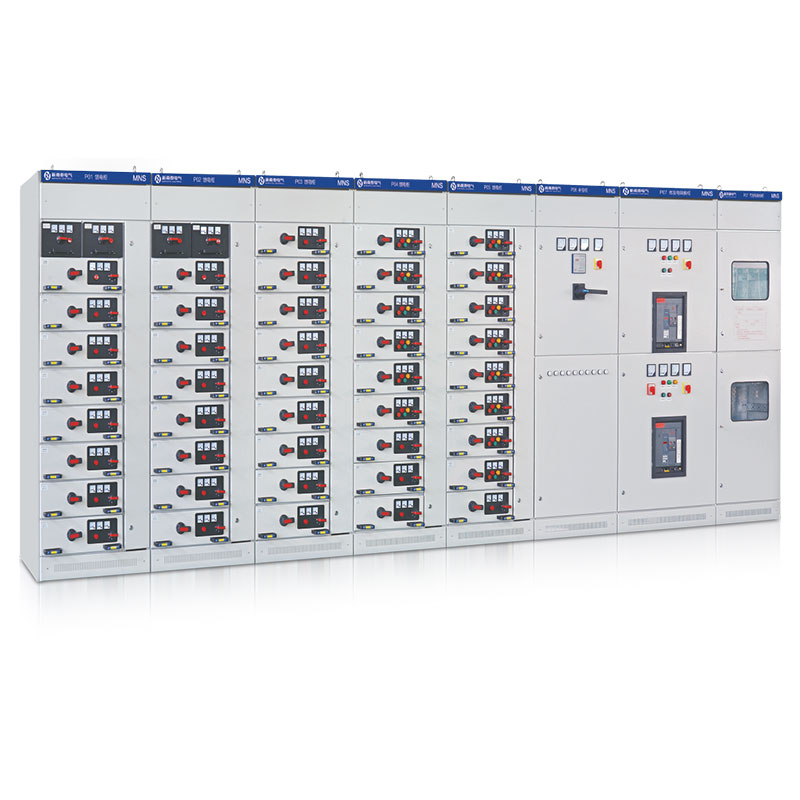
- UL 891 / UL 1558: switchboards and LV metal-enclosed switchgear — different standards from 508A; a “UL 508A panel shop” certificate alone does not cover switchboard listings.
- CE / IEC 61439-2: for the European versions of the same equipment; some manufacturers maintain parallel design files for UL and IEC builds.
Marks and standards by project scope
| Project scope | Mark or standard | What it governs |
|---|---|---|
| Industrial control panels, US market | UL 508A + panel shop program | Construction, SCCR marking, follow-up inspections |
| US and Canada | cULus listing | Both US and Canadian requirements (CSA equivalency) |
| Switchboards and LV switchgear | UL 891 / UL 1558 | Distribution equipment outside 508A scope |
| Hazardous (classified) locations | UL 698A, UL 1203, ATEX/IECEx | Panels for hazloc duty |
| European market | CE under IEC 61439-2 | Assembly design verification for CE markets |
Buying UL-listed panels from overseas
A growing share of UL 508A-certified shops are in Asia, serving OEMs and system integrators in North America. The practical arrangements that make this work:
- The overseas facility holds its own UL 508A certification (verifiable as above — the certificate names the factory entity and address).
- Panels ship with the UL Mark applied under the program, plus the documentation an inspector will ask for: control drawings, SCCR marking, and component listings traceable via UL Product iQ where needed.
- Witnessed FAT (live video or third-party) with functional test records.
- For repeat OEM programs: archived design files so reordered panels are identical without re-engineering — the follow-up service model is built around exactly this repetition.
The verification steps above do not change because the factory is overseas. UL’s program is the equalizer: either the shop holds the certification and is subject to follow-up inspections, or it does not.
Program scale changes what you audit. A 3,000-panel annual volume against a back-planned product launch stresses a different seam than a one-off: the UL 508A follow-up model is built around repetition, so the questions become how the shop controls deviation between visits — who signs design changes, how component substitutions are qualified against the standard before use, and how the UL file stays synchronized when your engineering team issues ECNs mid-program. Get the shop’s change-control procedure in writing during selection, and align your milestone plan with the follow-up inspection cadence rather than against it: a launch back-planned to the week needs the design frozen well before peak production, because every post-freeze change at this volume is a re-review risk multiplied across thousands of panels.
FAQ
Can a UL 508A shop build a panel with customer-specified components?
Yes, within the standard’s constraints: components must be suitable for the function and rated appropriately (e.g., UL-listed for the purpose, correct SCCR contribution). Unsuitable substitutions get flagged at design review — that pushback is the certification working as intended.
What if I need a higher SCCR than the shop’s standard construction achieves?
Supplement SB provides methods: higher-rated components, current-limiting devices (fuses or breakers) upstream of lower-rated sections, or a transformer to isolate a lower-SCCR control section. A competent shop will negotiate the cheapest compliant path rather than upselling everything.
Which Supplement SB method costs least for my fault level?
Usually current-limiting fuses ahead of the lower-rated sections — cheap per panel, at the cost of a specific fuse type in your spares list. Full high-SCCR component construction pays only when spare-fuse logistics or selective coordination rules push against it.
How does the SCCR decision scale across a 3,000-panel program with a back-planned launch?
It multiplies: a per-panel saving of a few dollars compounds, but so does any method that complicates field servicing. Freeze the SCCR construction early in the design review, then verify the marking and documentation on first articles — before thousands of panels carry it.
Field modification of a UL-listed panel — allowed?
By qualified parties following the standard, with documentation — but extensive field modifications risk voiding the listing, which is exactly why inspectors scrutinize them. Structurally, it is better to freeze the design before build.
Checklist before ordering
Confirm active UL 508A certification (certificate + Product iQ), panel category matches your purchase, SCCR process explained and marked, control drawings and test records included in deliverables, and the functional spec frozen and signed. Then the listing does what it is designed to do: remove compliance risk from your installation.
Related reading
- UL listed vs UL certified — the listing vocabulary you will meet in the same procurement.
- industrial control panel design standards — how UL 508A fits among the standards a panel shop builds to.
- industrial control panels — our panel manufacturing scope for North American orders.
Engineering note: ElectricalCabinet.net manufactures industrial control panels for North American and international customers under applicable UL and IEC programs. Verify every supplier’s certification — including ours — through UL Product iQ before order placement. Final installation compliance is determined by the AHJ.
 EN
EN