

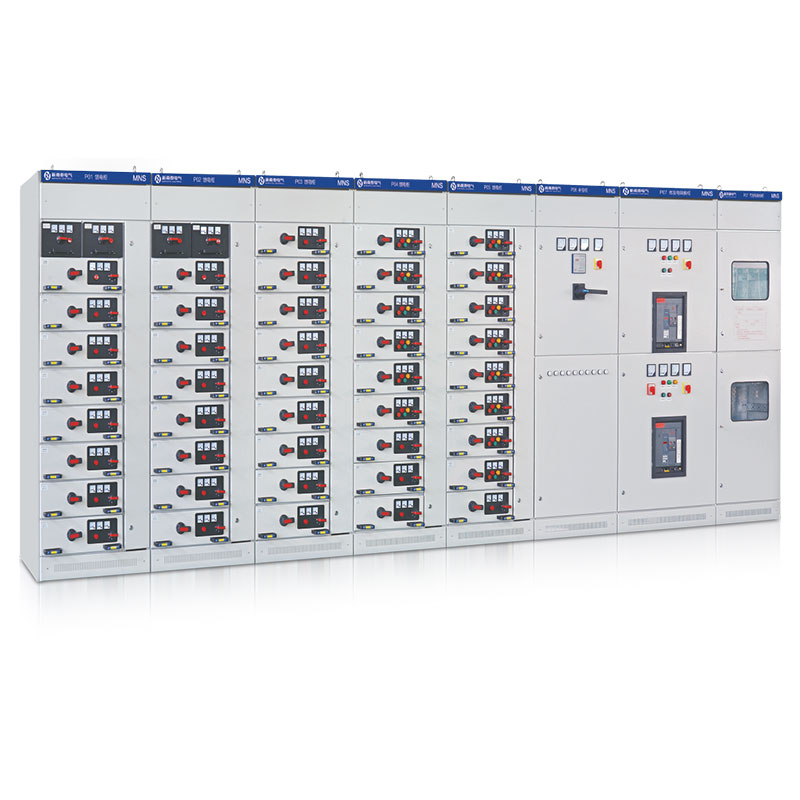


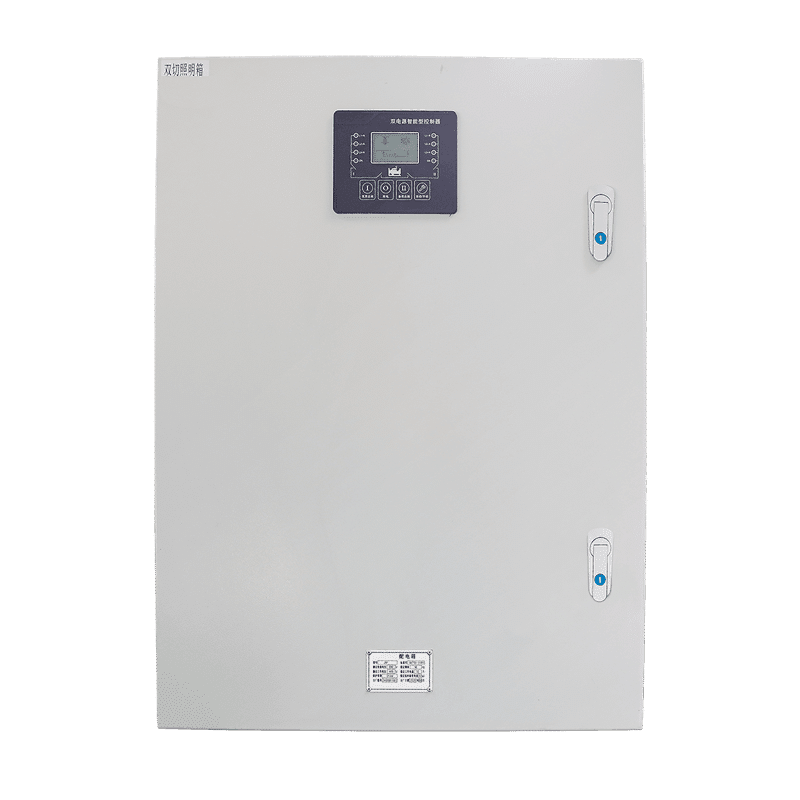


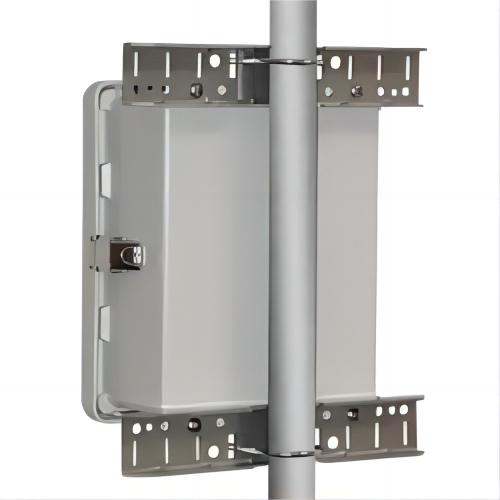



This guide is an engineering and procurement aid. Confirm the final material, enclosure construction, rating, installation, and compliance requirements against project data and supplier evidence. Competitor content is topic evidence, not proof of ElectricalCabinet.net capability.
“Metal” is a broad category; “steel” is one member of it. An enclosure specification that says “metal” has not yet specified anything purchaseable: steel, stainless steel, and aluminum differ in corrosion behavior, weight, shielding, cost, and machining, and the wrong assumption surfaces years later as rust streaks, galvanic corrosion, or a shielding failure. This guide separates the terminology, compares the real enclosure metals, and lists what a complete material specification must name.
The terminology problem
Buyers write “metal enclosure” for three reasons – habit, because the sourcing market uses the word loosely, or because the material genuinely has not been decided. Each case is fixed the same way: replace the category word with the actual material and finish. A useful specification names the actual material, finish, hardware, thickness, fabrication, and environment instead of using “metal” as if it were a product specification.
| Specification term | What it still leaves undecided |
|---|---|
| “Metal enclosure” | Which metal: steel, stainless, or aluminum – and therefore corrosion class, weight, shielding, and cost |
| “Steel enclosure” | Carbon steel or stainless; coating (paint, powder, galvanizing); grade; thickness |
| “Stainless enclosure” | 304 or 316/316L; surface finish; hardware material |
| “Aluminum enclosure” | Sheet or cast; alloy; anodized, painted, or mill finish |
Only the right-hand column converts into a purchase order that survives the site.
The real comparison: enclosure metals side by side
| Property | Carbon steel (coated) | Stainless 304 | Stainless 316/316L | Aluminum (sheet/cast) |
|---|---|---|---|---|
| Corrosion resistance | Depends entirely on coating integrity | Good general | Marine/chemical-grade | Good; forms protective oxide |
| Impact and rigidity | Excellent | Excellent | Excellent | Good; lower at equal thickness |
| Weight | Heaviest | Heavy | Heavy | Lightest |
| EMI shielding | Very good | Good | Good | Good |
| Typical cost | Lowest | High | Highest | Middle |
| Site modification | Easy; needs coating repair | Workable; passivation concerns | Workable; passivation concerns | Easy; watch galvanic pairs |
| Typical duty | Industrial indoor, electrical rooms | Food, pharma, washdown | Coastal, chemical, offshore | Outdoor telecom, weight-sensitive, corrosive-adjacent |
Corrosion is where category thinking costs the most money twice: once when the cheapest “metal” box rusts and once when it is replaced. The second mechanism is quieter – galvanic corrosion where dissimilar metals meet in moisture (aluminum box with copper busbar contact, stainless box with plated screws), which the material specification prevents by matching hardware. The broader material-selection method, including polymers, is covered in our enclosure material selection guide, and specific metal-box duty cases in metal junction box use cases.

Questions to ask
| Input | Why it matters |
|---|---|
| Base material | Changes corrosion, weight, shielding, machining, and grounding considerations. |
| Finish and coating | Sets surface protection, cleaning, repair, and lifecycle assumptions – specify paint or powder systems, galvanizing, or passivation explicitly. |
| Thickness and fabrication | Body gauge or casting class, seam design (folded, welded, gasketed), and door stiffness under load and mounting. |
| Mechanical duty | Defines mounting, impact, vibration, door, and lifting requirements. |
| Electrical interfaces | Sets bonding, cable entries, gaskets, and grounding responsibilities – earthing bosses, bonding straps, hinge conductivity. |
| Environment | Indoor dry, outdoor, coastal, chemical: this row selects the material column in the table above. |
Use the exact material and finish in the enquiry, then verify the complete assembly and any modified areas with the supplier.
Standards and material evidence
- NEMA 250 / UL 50E. Where the project is typed (12, 4, 4X…), the type already encodes corrosion expectations – 4X in practice drives stainless or protected construction, and UL 50E carries the environmental construction requirements behind the listing.
- IEC 60529. Ingress evidence for the configured assembly; coating damage at drilled holes is the classic downgrade path on coated steel.
- IEC 62208. General requirements for empty enclosures for low-voltage assemblies – the type-test framework for the empty box as supplied.
- Material standards and certificates. For stainless applications, the grade (304 vs 316/316L) and, where the quality plan demands it, material test certificates; for coated steel, the coating system specification including repair procedure.
- ISO 12944 (corrosion categories). The framework for classifying atmospheric corrosivity (C1-C5, CX) used to match coating systems and materials to environment – the disciplined alternative to guessing between “metal” options.

Frequently asked questions
Is stainless steel worth the premium over coated steel?
Wherever moisture, washing, or corrosives are routine – yes, because the corrosion protection is in the material rather than a coating that drilling and wear eventually breach. For dry electrical rooms, properly coated carbon steel is the economical default.
Why do aluminum enclosures corrode but “protect themselves”?
Aluminum forms a stable oxide layer that shields the bulk metal – surface whitening is usually cosmetic. The real risk is galvanic pairing with copper or steel in wet conditions, managed by isolating contacts and matching hardware.
Does any metal enclosure give EMI shielding?
Most metal bodies shield well if seams, gaskets, and cable entries maintain conductivity – the failure points are apertures, not the base metal. Shielding design is its own discipline, covered in our EMI vs EMC enclosure guide.
Can I mix a steel box with stainless hardware?
You can, but specify it consciously: stainless fasteners in a coated-steel box are usually an upgrade (better fastener corrosion), while plated-steel fasteners in a stainless box are a downgrade that rusts first and stains the box.
What does “galvanized” add to a steel enclosure?
Zinc protection at cut and drilled edges, where paint cannot follow the tool – hot-dip or zinc-rich coatings extend life in damp service, and remain the standard answer before the full stainless step.
Ordering scenarios
A mining-site package of 120 outdoor junction and control enclosures in a C4-class coastal-industrial atmosphere would be specified as 316 stainless bodies and hardware (or ISO 12944-matched coated systems with documented repair procedures), with material certificates and IEC 60529 evidence in the handover. A regional panel builder ordering 400 general-purpose indoor enclosures writes coated carbon steel with a named powder system, earthing bosses standard, and accepts UL 50E / IEC 62208 empty-enclosure evidence – spending on stainless only where the environment rows of the checklist demand it.
 EN
EN