

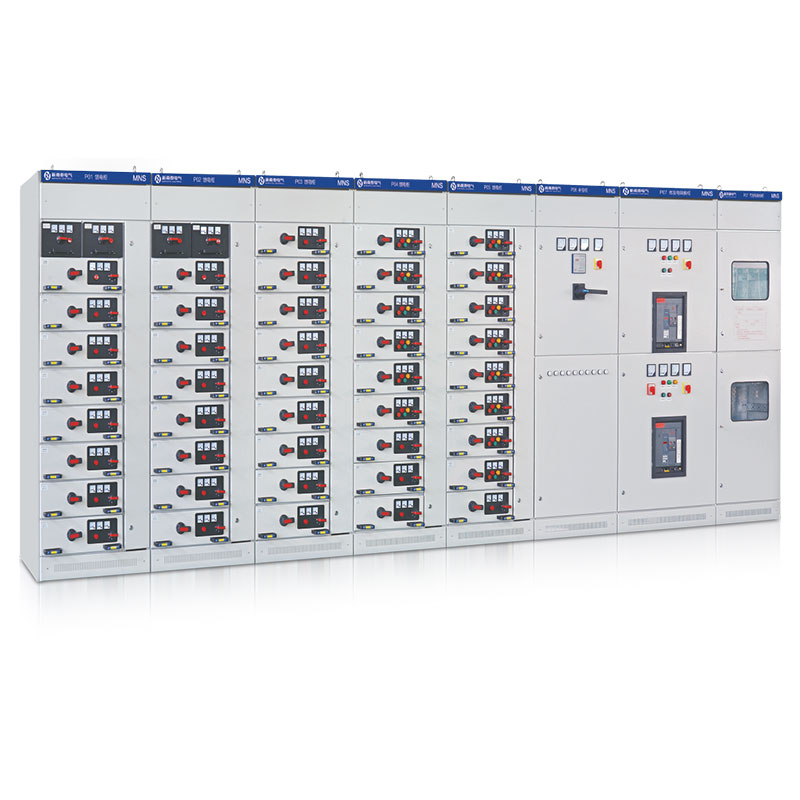


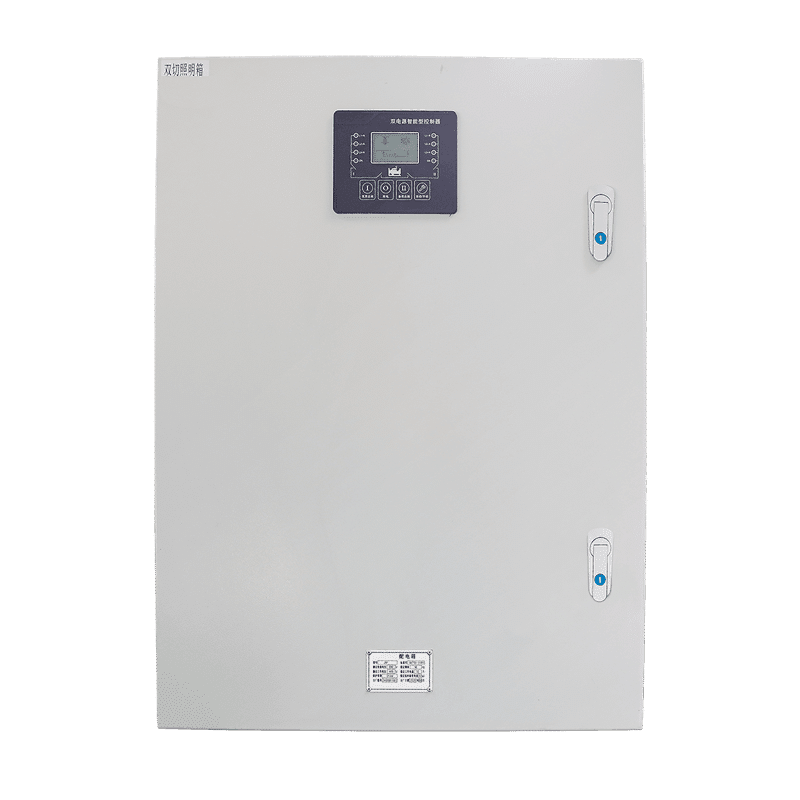


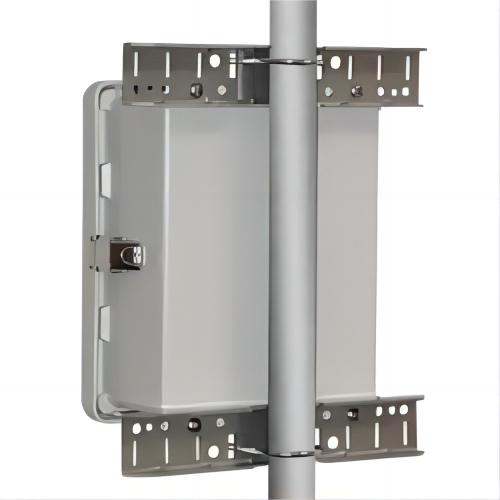


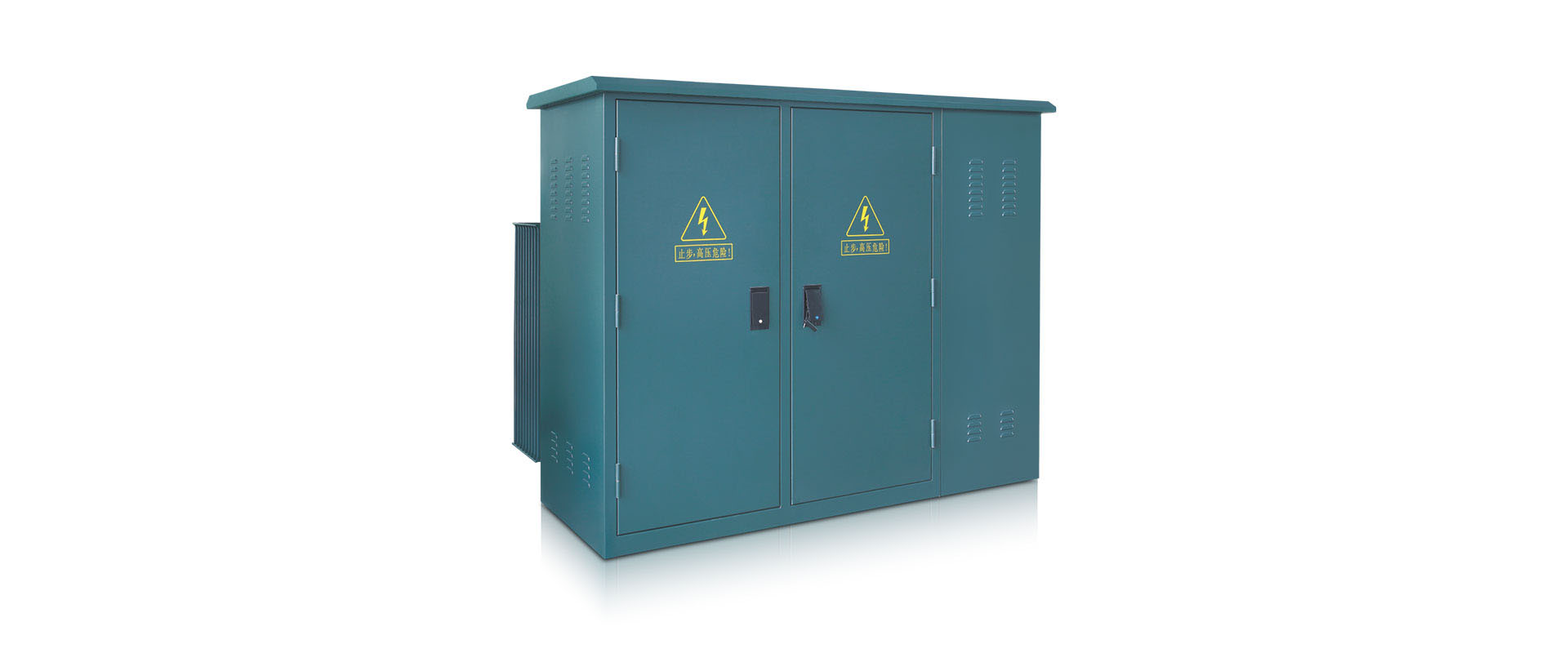
A box-type substation brings defined medium-voltage, transformer, and low-voltage functions together in a compact enclosure or package — an arrangement familiar from distribution networks, industrial sites, and renewable collection systems. The name describes a configuration approach, not one universal transformer capacity, system voltage, protection scheme, or site-service scope. This guide explains what a box-type substation may contain, the inputs that determine the right configuration, and the questions that make a supplier quotation comparable.
Before selecting a box-type substation, define the electrical arrangement, interfaces, environment, access, and documentation. This makes it possible to compare a product configuration with the actual project requirement.
What a box-type substation may include
Depending on the design, a box-type substation may combine:
- medium-voltage incoming and switching equipment;
- transformer section;
- low-voltage distribution or feeder section;
- protection, metering, and control interfaces;
- cable termination areas; and
- enclosure, ventilation, access, and mounting provisions.
The final arrangement varies by product and project. A generic box-type substation image or title does not establish the exact equipment included.
The Packaged Substation Design article covers design inputs for a packaged configuration. The Prefabricated Substation Checklist covers delivery, interface, and responsibility questions. This article focuses on the box-type equipment arrangement itself.
Define the electrical arrangement
Provide the project single-line information and describe the relationship between the incoming supply, MV section, transformer, LV section, and connected loads. State whether the package includes switching, fuses, circuit breakers, metering, protection, or control interfaces.

If the arrangement has a bypass, tie, spare feeder, future expansion, or alternate operating mode, write it into the requirement. Do not assume that a standard box-type package includes those functions.
Section-by-section comparison
| Section | Typical content | What the specification must state |
|---|---|---|
| MV section | Incoming switching, protection, cable terminations | Voltage, switching device type, protection functions, fault duty |
| Transformer | Step-down transformer and its cooling and protection | Rating, voltage ratio, cooling type, sound expectations if relevant |
| LV section | Feeder breakers, metering, auxiliary supply | Feeder count, device ratings, metering boundary |
| Enclosure | Body, ventilation, access doors, cable rooms | Environment, protection class, access direction, thermal strategy |
| Site package | Foundation interface, grounding, transport provisions | Who supplies civil works, grounding network, lifting, commissioning |
Inputs for selection
System and load data
Provide supply information, transformer or load data, feeder count, operating mode, and future expansion assumptions. The exact ratings and protection depend on the project engineering information and the selected configuration. A first-pass check of transformer sizing against the load schedule is available with the transformer kVA calculator.
Site and installation conditions
Document indoor or outdoor location, ambient conditions, moisture, contamination, access, mounting or foundation, cable-entry direction, transport route, and lifting constraints. Identify who is responsible for civil work, installation, grounding, and field connections. Compact packages are often chosen precisely where space is tight, which makes the access and maintenance clearances worth confirming on the drawing rather than on delivery day.
Protection, metering, and control
List required protection functions, metering points, alarms, local or remote control, and communications. Protection coordination and settings must come from the project; they should not be inferred from the term “box-type.”
Enclosure and maintenance
Describe access direction, service boundaries, ventilation or thermal assumptions, materials, finish, and any required enclosure documentation. Verify NEMA, IP, UL, IEC, or other claims for the exact product and configuration.
Standards behind the sections
- IEC 62271 — the IEC series for high-voltage switchgear and controlgear, referenced by the MV switching section; its scope covers the equipment classes commonly used in compact substations, and the section’s nameplate and type-test evidence follow it.
- IEC 60076 — the IEC power transformer series governing rating, cooling, and testing of the transformer section.
- IEC 61439 — the IEC framework for the LV assembly section, defining the ratings and verification documents for the feeder panel.
- IEEE C37 — for North American projects, the MV switching and breaker ratings reference this standards family; the package concept does not change which standard each section’s evidence follows.
- IEC 60529 / NEMA 250 — the enclosure protection references behind IP codes and NEMA types quoted for outdoor installations.
Questions for a box-type substation quotation
Ask the supplier to identify:
- MV, transformer, and LV sections included;
- incoming and outgoing cable interfaces;
- switching, protection, metering, and control devices;
- transformer and load assumptions;
- enclosure, access, ventilation, and mounting requirements;
- transport, lifting, foundation, and site responsibilities;
- drawings, data sheets, manuals, inspection, and testing documents; and
- exclusions related to installation, commissioning, and local approvals.
The answers should be tied to a section drawing and an equipment schedule. This prevents a product title from being used as a substitute for a documented configuration.
Product reference
Review the Box-Type Substation product page after defining the project inputs. Where the project calls for another packaged or prefabricated arrangement, compare the actual sections, interfaces, and responsibilities rather than treating the product names as interchangeable.
Frequently asked questions
What voltages do box-type substations cover?
Commonly distribution-level arrangements — an MV incoming at the local distribution voltage, a transformer step-down, and an LV feeder section — but the exact voltage combination is a project datum. The product name does not establish it; the single-line diagram does.
Follow-up: can one enclosure house two transformers?
Some designs accommodate two transformer sections or an expansion position, at the cost of footprint, thermal load, and separation requirements. It is an order-time configuration decision supported by the thermal and clearance review — not a retrofit.
How is the transformer cooled in a compact enclosure?
Depends on the transformer type and the enclosure ventilation design: distribution transformers in compact packages rely on designed airflow paths matched to the transformer losses. The thermal performance of the complete unit should be part of the supplier’s documentation, not an assumption.
Are box-type substations only for outdoor use?
No — indoor compact arrangements exist for basements and plant rooms where footprint matters. Outdoor versions carry the environmental provisions: weatherproofing, corrosion strategy, condensation control, and drainage. The installation location is a selection input.
Who commissions the package?
Per the contract: the supplier may deliver only the equipment, or include installation supervision and commissioning. The responsibility matrix should name an owner for each activity — transport, setting, connections, testing, energization — because “delivered complete” covers none of these by itself.
Can the package be expanded after delivery?
If an expansion position or spare feeders were ordered. Field-added sections to a compact enclosure are rarely practical; where growth is expected, order the provision with the original unit.
Final checklist
Before approving a proposal, compare the project single-line, load and feeder schedule, protection and metering scope, site constraints, equipment section arrangement, documentation, and supplier exclusions. Do not publish or approve a specific voltage, capacity, fault duty, noise level, certification, or delivery claim until the exact proposed configuration has been reviewed.
Ordering scenarios
A property developer energizing a shopping or logistics site typically orders the single incoming box-type unit first, with the transport route and pad foundation confirmed before release, then adds units for later phases against the proven configuration. The governing constraints are the utility connection agreement and transformer lead time, because the unit cannot be energized before the supply contract exists no matter how early it arrives.
An engineering buyer sourcing compact units for both IEC-referenced and NEC-market projects should split the first order by regime: the IEC-market unit carries section evidence under IEC 62271, IEC 60076, and IEC 61439, the North American unit references the IEEE C37 equipment family. Confirming the two documentation packages on pilot units — one each — prevents the series order from carrying the wrong market’s evidence trail into commissioning.
 EN
EN