







A prefabricated substation is a factory-assembled or modular substation arrangement intended to bring defined electrical equipment together before delivery to the site. The term describes a delivery and configuration approach, not one universal transformer size, voltage, enclosure, or engineering scope. Selecting one responsibly means defining the electrical arrangement, the site and transport constraints, and the supplier’s scope boundaries before comparing products. This guide provides the configuration questions and specification checklist that make those comparisons honest.
Before selecting a product, define the electrical function, site constraints, equipment interfaces, documentation, and responsibilities. This prevents a product label from being mistaken for a complete project design.
What “prefabricated substation” can include
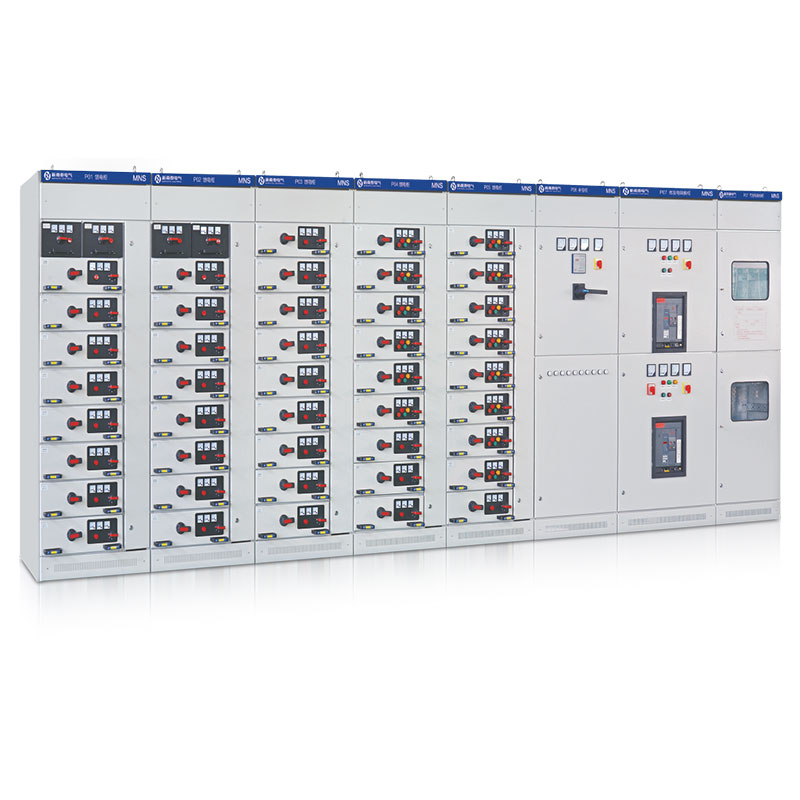
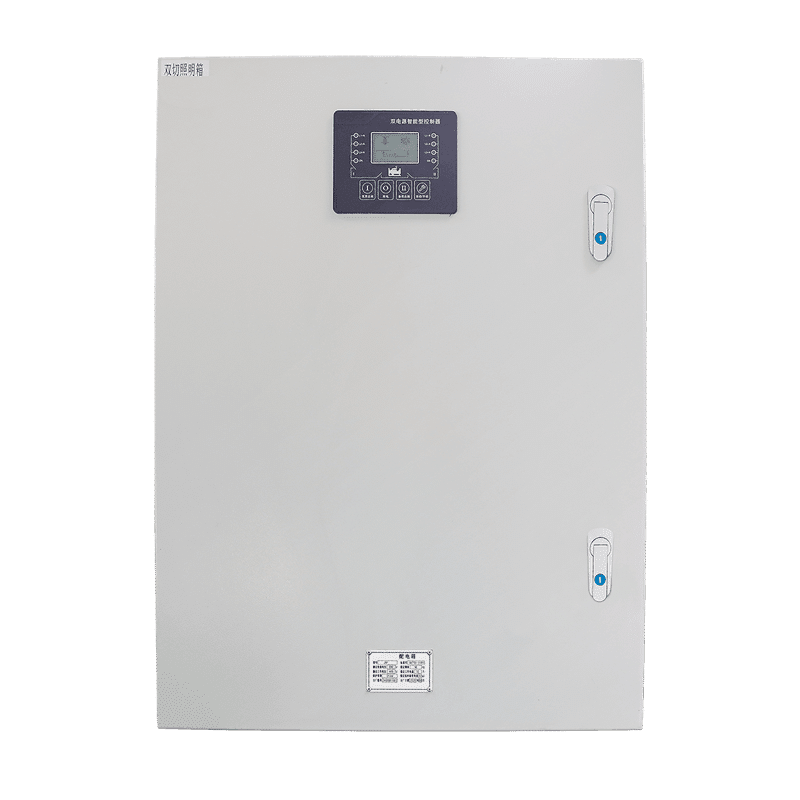
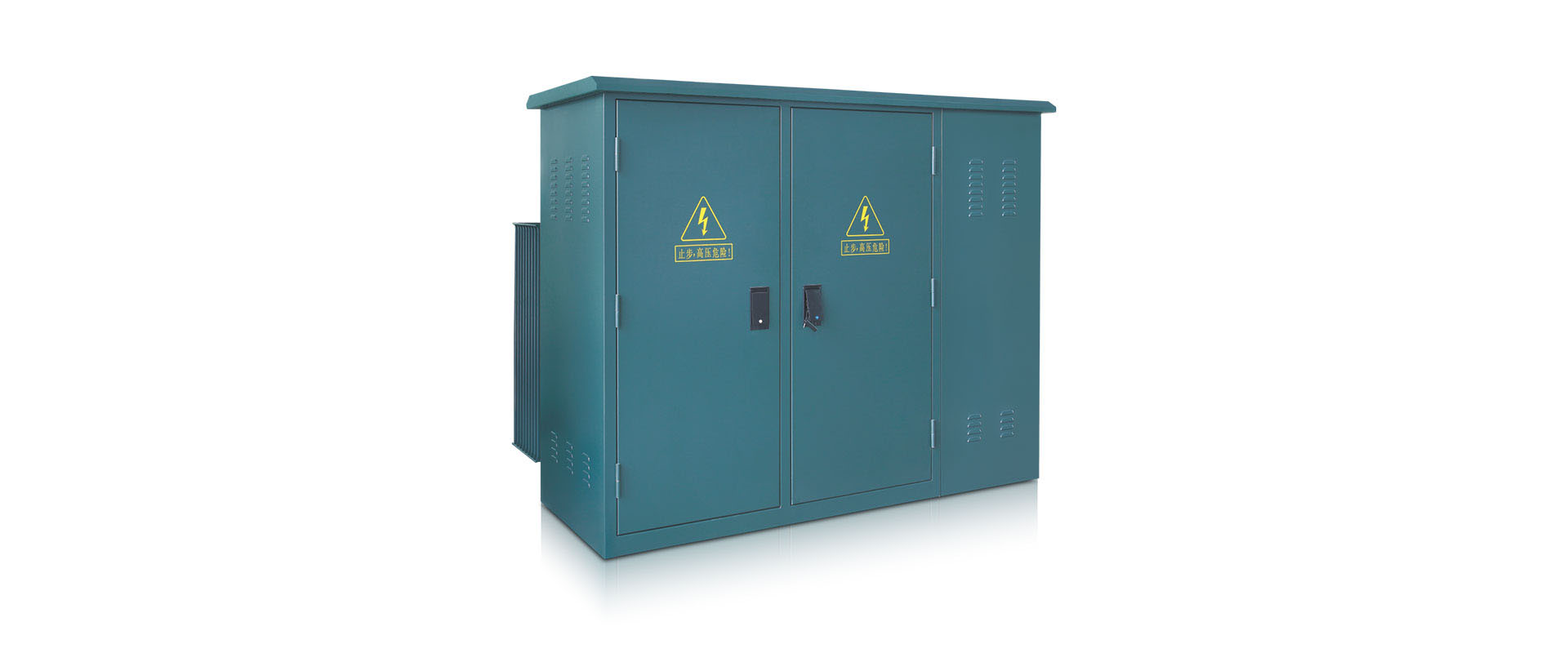
Depending on the project, a prefabricated arrangement may combine a transformer, medium-voltage switching, low-voltage distribution, protection, metering, control, and an enclosure or building. The actual scope varies by supplier and configuration.
The Packaged Substation Design article focuses on the design inputs that should be defined before choosing a package. This article focuses on how to describe the prefabricated configuration and procurement scope.
Define the electrical arrangement first
Prepare the project single-line information and identify the relationships between the incoming supply, transformer, medium-voltage equipment, low-voltage distribution, and connected loads. State whether the arrangement includes a transformer section, MV switching, LV feeder sections, protection, metering, or control interfaces.

Avoid assuming that every prefabricated substation includes the same equipment. Ask the supplier to provide a section-by-section description and identify what is supplied, coordinated, or excluded.
Inputs for configuration
System and load information
Provide the available supply information, transformer or load data, feeder count, operating mode, and any future expansion assumptions. The final equipment selection depends on project engineering data, not just a nominal substation label. Where the transformer rating is still under study, the transformer kVA calculator provides a first cross-check between the load schedule and the candidate transformer sizes.
Site and installation conditions
Document the site location, access route, foundation or mounting assumptions, cable entry, clearances, ambient conditions, environmental exposure, and maintenance access. Include transport and lifting constraints if the unit will be delivered as a completed module. A module that cannot cross the site bridge, enter the gate, or sit on the prepared foundation is a logistics failure discovered at the most expensive possible moment.
Protection, metering, and control
List the required protection functions, metering points, alarms, local or remote controls, and communication interfaces. Protection coordination, settings, and commissioning responsibilities should be assigned explicitly rather than implied by the word “prefabricated.”
Interfaces and responsibilities
Clarify which party provides incoming and outgoing cables, terminations, grounding, civil works, installation, testing, commissioning, and local approvals. A factory-assembled package may reduce site assembly, but it does not automatically include every site service.
Configuration comparison at a glance
| Scope area | What to pin down | Common misunderstanding |
|---|---|---|
| Transformer section | Rating, cooling type, voltage ratio, tapping arrangement | “Transformer included” without confirming which type or rating |
| MV switching | Switching devices, protection, interlocking, cable termination style | Assuming MV protection settings are pre-engineered |
| LV distribution | Feeder count, device types, metering, bus rating | Counting breaker spaces that are not physically available |
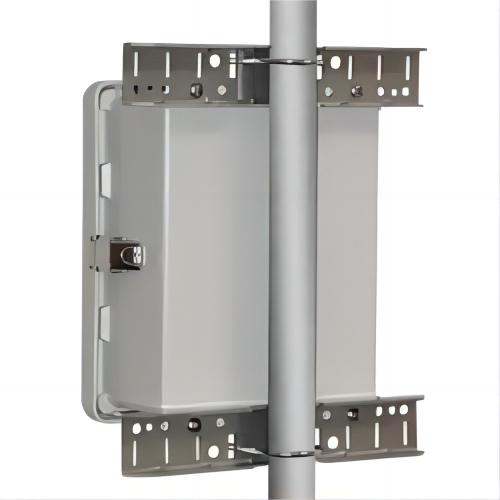
| Enclosure or building | Protection class, ventilation, access, corrosion strategy | Reading a rating from a photograph or brochure |
| Site works | Foundation, cables, grounding, lifting, commissioning ownership | Believing “factory-built” means “site-complete” |
Configuration questions to send to a supplier
Ask for clear answers to the following:

- What equipment sections are included?
- What are the incoming and outgoing interfaces?
- Which protection, metering, and control devices are included?
- What enclosure or building arrangement is proposed?
- What transport, lifting, foundation, and cable-entry assumptions apply?
- Which drawings, data sheets, manuals, and inspection records are supplied?
- What installation, testing, and commissioning work is excluded?
- How are future expansion or replacement requirements handled?
The answers should be tied to a drawing and a written equipment schedule. This makes it easier to compare a packaged product with a project-specific alternative.
Standards referenced by substation packages
- IEC 62271 — the IEC series for high-voltage switchgear and controlgear, which governs the MV switching sections inside a prefabricated substation; the equipment nameplate ratings and type-test evidence in the package reference this family.
- IEC 60076 — the IEC power transformer standard series covering rating, cooling, and testing of the transformer section; a factory-assembled package does not change which transformer standard the transformer inside it is built to.
- IEC 61439 — the IEC framework for the low-voltage assembly sections, defining the verification behind the LV panel ratings in the package.
- IEEE C37 — for packages delivered into the North American market, the switchgear and breaker ratings are referenced to this standards family rather than the IEC series.
Which regime applies is a market-and-specification decision made at order time; the same physical arrangement can be documented either way, but not both at once without an explicit engineering agreement.
Product routes for further review
Depending on the required arrangement, review the Box-Type Substation, Prefabricated American Substation, and Box-Type Opening and Closing Station product pages. These pages should be used to match the actual product scope to the project inputs, not as proof that every configuration is interchangeable.
Documentation and approval checklist
Before approving a prefabricated substation proposal, compare:
- project single-line and equipment schedule;
- proposed section arrangement and interfaces;
- protection, metering, and control scope;
- site, transport, foundation, and cable-entry assumptions;
- required drawings, data sheets, manuals, and inspection documents; and
- supplier exclusions and responsibilities after delivery.
Do not publish or approve a specific voltage, capacity, fault rating, standard, noise level, or local compliance claim until the exact configuration and supporting documents have been reviewed.
Describe the prefabricated scope clearly
“Prefabricated substation” can describe an equipment arrangement, a factory-assembled package, or a broader delivery scope. A quotation should state which equipment is included, how sections interface, what site work remains, and which drawings or inspection records accompany the delivery.
Procurement inputs to confirm
- Equipment configuration and incoming/outgoing interfaces.
- Transport, lifting, foundation, access, and cable-entry assumptions.
- Protection, metering, monitoring, and communication requirements.
- Supplier, installer, and commissioning responsibility boundaries.
Compare these inputs with the packaged substation design guide before treating two package descriptions as equivalent.
Frequently asked questions
Is a prefabricated substation faster to deliver than a site-built one?
Usually yes for site works — assembly happens in the factory under controlled conditions. But total delivery time still runs through the longest-lead component inside the package, commonly the transformer. Ask for the component lead-time breakdown before promising a site date.
Follow-up: can the transformer be supplied by the buyer and the rest prefabricated?
Sometimes, with an explicit interface agreement: dimensions, mounting, clearance, termination, and lifting responsibility must all be defined before fabrication. Mixing supplier scopes inside one enclosure without that agreement moves the integration risk to the site.
Does prefabricated mean type-tested?
No. Type testing belongs to the equipment families inside the package — the MV switchgear, the transformer, the LV assembly — each under its own standard. Ask which sections arrive with which test evidence; the package concept itself is not a test category.
What site preparation is the buyer’s responsibility?
Typically the foundation, access route, cable trenches or ducts, grounding network, and the incoming supply termination — but this varies by contract. The responsibility matrix in the quotation should list each item with an owner, because “delivered complete” and “installed complete” are different promises.
Can a prefabricated substation be relocated later?
Many designs are relocatable in principle — that is a core advantage of the package approach — but relocation feasibility depends on transport constraints, the enclosure construction, and re-commissioning requirements. If relocation is a design requirement, state it at order time so it shapes the construction choices.
Ordering scenarios
An industrial park developer energizing a new site typically orders one complete unit first — often the incoming substation for phase one — with the transport and lifting survey completed before the order is released, then repeats the configuration for later phases once the first unit passes energization. The governing constraints are transformer lead time and the civil-readiness date, because a module that arrives before its foundation stands in weather it was not designed to sit through unprotected.
A mining or infrastructure project sourcing substations for two regulatory regions should treat the standards fork as an order-time decision: units for the IEC-referenced site carry IEC 62271, IEC 60076, and IEC 61439 evidence for their sections, while units for the North American site reference the IEEE C37 equipment family. Ordering one pilot unit per regime — and locking the documentation list per destination — prevents the common failure of a complete package arriving with the wrong market’s paper trail.
 EN
EN