







The average person in an industrialized society can’t imagine life without electricity. It is a crucial aspect of every modern home, office, or factory. Indoor switchgear is the heart of electrical distribution. It helps regulate the flow of electricity on the networks and isolates defective parts from the good ones automatically or manually. You may be tempted to think that putting all these gadgets indoors is safer, but it has advantages and disadvantages, as discussed below.
In brief, indoor switchgear refers to any objects used to operate and manage electrical circuits inside buildings. Potentially harmful components such as dust, temperature fluctuations, and corrosion from humidity cannot cause problems because walls and roofs adequately protect them. Indoor Switchgear is important in electrical installations because it ensures the smooth running of various electrical systems, thus guaranteeing the safety of human lives.
Besides controlling temperature ranges, electrical fires, and powering off faulty appliances, indoor switchgear prevents equipment failures due to short-circuiting or lightning strikes. In large enterprises where mass production occurs daily, every second spent without electricity means a loss; therefore, reliability becomes even more crucial.
Who should read this article? Electricians And Electrical Engineers Facilities manager, electrical engineer, or electrician, this article is for you.
What is Indoor Switchgear?
So basically, indoor switchgear is a modern electrical system important for security as it also enables the smooth functioning of the power supply flow in homes or offices. In fact, indoor switchgear is designed for installation inside buildings.
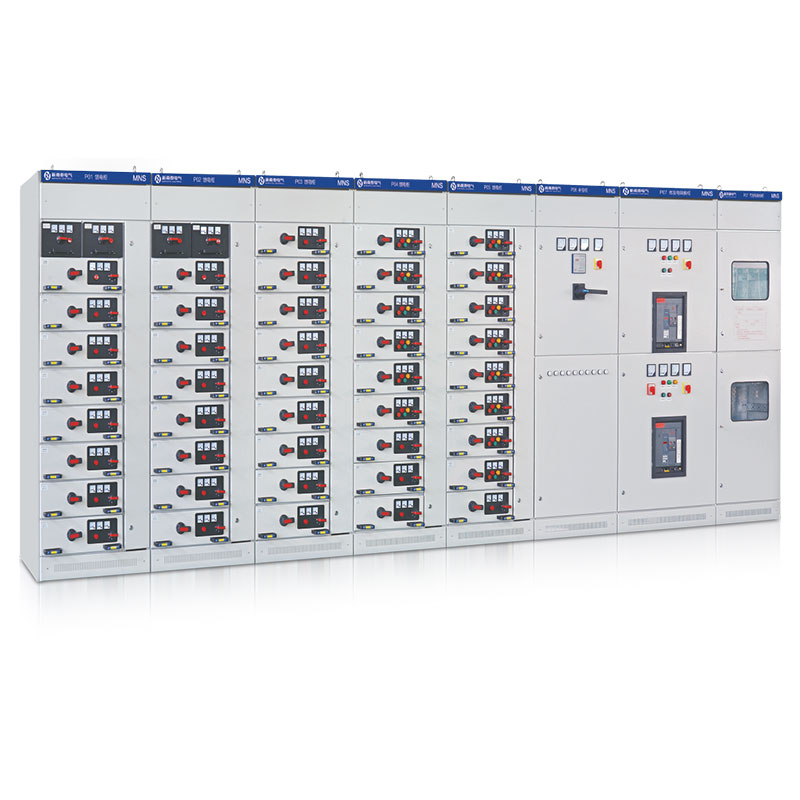
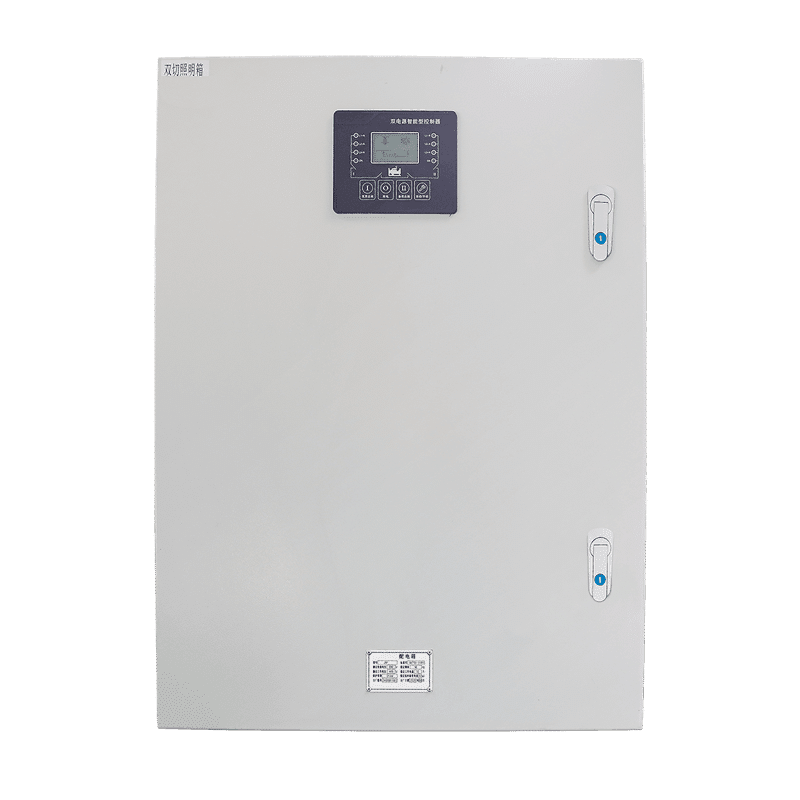
Let’s look into indoor switchgear, its major functions, and the key components, including design. Indoor Switchgear: Definition and Basic Function Indoor switchgear is any type of power control protective and measuring tool enclosed in one box for placement inside a building. It helps to receive proper distribution of electric current, which ensures safety by controlling it. Hence, it is reliable when there is fault protection on wires or circuit breakers, making it easier to carry out repairs.

Key Components of Indoor Switchgear
- Circuit Breakers: These are the heart of the switchgear circuit. They can interrupt the flow of current when a fault occurs, e.g., short-circuiting or overloading. Thus, they prevent damage from happening in an electrical system, which also promotes safety features.
- Disconnect Switches: Such switches disconnect some sections of a power distribution system so that they can be safely worked on without switching off the whole network.
- Fuses: They provide overcurrent protection by breaking down the circuit when there is excessive current, preventing system damage.
- Relays: These devices detect faults, making circuit breakers operate on time to respond quickly to electrical problems.
- Busbars: These are conductive rods that convey electric power throughout the switchgear, connecting its multiple parts.
- Measuring Instruments: Measuring instruments refer to all appliances used to measure current, voltage, or other electrical parameters, and they play an important role in power management.

Design Features of Indoor Switchgear
Indoor switchgear is mostly gas-insulated (GIS) instead of air-insulated. GIS is applied where space is limited, or the environment is harsh because it offers better insulation and protection. This switchgear is enclosed within the grounded metal case with ventilation and inspection openings, thus improving safety compared to its outdoor counterparts.
SF6 gas is widely used for insulation because of its remarkable dielectric properties that are three times better than air’s. This makes the switchgear much more compact and reliable. The metal enclosure of indoor switchgear protects the equipment not only from environmental conditions but also minimizes electrical hazards. Indoor switchgear usually serves medium voltages (3-36 kV), but it can sometimes still be utilized at higher voltage levels. It has been designed to be installed in specific places inside buildings called “switchgear rooms,” which act as stores, keeping them safe and ensuring easy accessibility during maintenance exercises.
Differences Between Indoor and Outdoor Switchgear
Whether indoor or outdoor, switchgear is crucial in controlling, operating, and protecting electrical systems. However, their differences in structure and environment significantly impact their applications, safety, and reliability.
Structural and Environmental Differences
The difference between switching devices indoors and outdoors lies in their interaction with the elements. Therefore, they are sheltered from dust, wind, rain, or snow and installed inside buildings. Consequently, they provide a stable climate, which reduces wear and tear and thus extends durability.
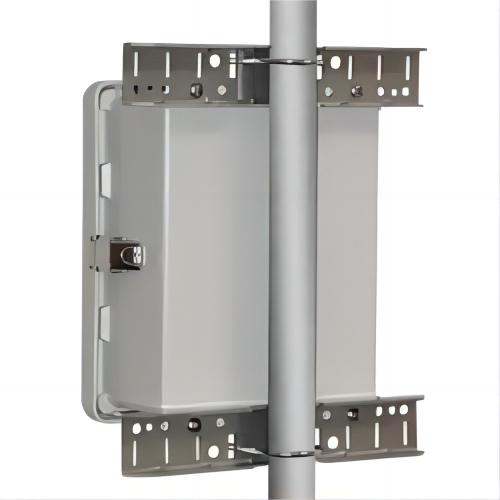
Conversely, outdoor switchgear is designed to resist unfavorable environmental factors. It is manufactured using materials and protective components capable of resisting dust particle attack, corrosion due to gaseous pollutants in the atmosphere, and changing weather patterns without compromising its utility. Therefore, outdoor switchgear is strong and dependable wherever it is found in open spaces.
Impact on Safety and Reliability
The location and design of indoor switchgear offer several safety benefits. Being housed inside makes it less susceptible to environmental damage, leading to fewer operational failures and a longer lifespan. This controlled environment allows easier maintenance and inspection, further enhancing reliability.
While more exposed, outdoor switchgear is engineered to be resilient. Its ability to operate in harsh conditions without significant degradation ensures continuous protection and control of electrical systems. However, the exposure may require more frequent maintenance and inspections to ensure ongoing reliability.

Advantages of Indoor Switchgear
Indoor switchgear is a reliable and secure solution for managing electrical systems, offering a range of benefits over its outdoor counterparts. Explore why indoor switchgear is preferred in residential, industrial, and institutional settings.
Enhanced Safety Features
One of the most significant advantages of indoor switchgear is its superior safety features. Indoor switchgear is enclosed in tough metal boxes or enclosures, which provide extra protection against electrical shocks or electrocution. Another benefit for professionals is that no part is in contact with any live component inside, thus ensuring utmost safety. This safety assurance is crucial, especially in industrial contexts where continuity of operations and employee protection are key factors. Due to its ability to minimize risks associated with visible electrical parts, indoor switchgear improves workplace safety standards.
Space-Saving Design
Indoor switchgear has been designed to require less space during installation than outdoor systems. In addition, it eliminates the need for external shelters or protection from weather elements, thus optimizing the floor space inside buildings or dedicated switchgear rooms. In urban settings where land is limited, this small size is beneficial. Consequently, they can be deployed in remote places or even within neighborhoods without interfering with how they operate, thus helping to realize efficient land usage.
Protection from Environmental Factors
Indoor switchgear is protected from dirt, moisture, and other impurities because it operates indoors, unlike outdoor equipment that floods, snow storms, or other weather disasters may damage. Such security measures improve how long the tools serve while still being functional, hence mitigating any losses associated with poor performance as a result of climatic changes. In the manufacturing world, dust particles float around like flies with acid around them; therefore, using indoor switchgear ensures that they will always work on them no matter what happens outside their homes. These devices do not require frequent repairs and, hence, last longer, reducing the total expenses of maintaining them.
Improved Accessibility for Maintenance
The other significant benefit of indoor switchgear is its maintenance accessibility. Since everything is situated indoors, maintenance staff can conveniently access the machine for inspection, servicing, and repairs. Such accessibility supports a proactive maintenance approach that optimizes the device’s operation and prevents possible problems from getting out of hand. Efficient maintenance procedures improve machine reliability and operational continuity. To prevent halting production during regular upkeep, indoor switchgear helps to ensure continuous processes in various industries and their firms.
Energy Efficiency and Performance Benefits of Indoor Switchgear
Indoor switchgear systems are designed to ensure that they consume the least amount of power while utilizing controlled electrical distribution and management systems. Consequently, this will lead to reduced costs, and also indoor switchgear will become very cheap for entities or firms to utilize over time. Moreover, indoor switchgear’s improved performance capabilities further increase operational efficiency by ensuring a steady current flow, thereby reducing possible power outages. The reliability provided by these devices is priceless in terms of productivity and in the case of delicate electrical equipment against voltage rise or fall situations.

Disadvantages of Indoor Switchgear
While indoor switchgear offers numerous advantages, it’s important to know its limitations to make informed decisions for your electrical systems. Here are some key drawbacks that electrical engineers, electricians, and facility managers should consider.
Higher Initial Costs of Indoor Switchgear
The very first and foremost drawback of indoor switchgear is that it has a higher cost of installation than outdoor switchgear. This initial cost does not only cover the equipment but also calls for specialized enclosures and other additional infrastructure that are necessary for safe housing in a building. Due to this reason, even though maintenance expenses could have dropped in the long run, such a hefty amount can still be challenging for some projects, especially when working under restricted financial situations.
Space Constraints of Indoor Switchgear
Indoor switchgear is compact in terms of some needs, yet it can be challenging because of space requirements. Some buildings may need dedicated rooms or extensive remodeling for their installation; this is problematic, especially for places where space is scarce already. This could mean increased construction costs and disturbances during an installation phase.
Ventilation and Cooling Requirements of Indoor Switchgear
Another consideration regarding indoor switchgear is the need for proper ventilation and cooling. Electrical equipment generates heat, and if there is not enough cooling mechanism, it can lead to overheating, which endangers performance and safety. This calls for other climate control systems within the switchgear room, which complicates installation and increases costs.
Limited to Specific Applications of Indoor Switchgear
Not every application can use indoor switchgear. It is generally limited to atmospheres that require protection from severe climatic conditions, where so many advantages come with an indoor installation placement that they surpass the expenses incurred. Nonetheless, outdoor or air-insulated switchgear may be more cost-effective for high-voltage systems due to lower installation costs and enhanced expansion possibilities.
Indoor Types Switchgear
Metal-Enclosed Indoor Switchgear
Indoor switchgear comes in various designs, each suited to specific applications and requirements. Understanding the different types can help you choose the right one for your electrical system. Here’s a breakdown of some of the most common types of indoor switchgear.
Metal-Clad Indoor Switchgear
Metal-clad indoor switchgear features vacuum-type circuit breakers that are drawn out and withdrawable, allowing easy maintenance and replacement. It includes metering and relaying instruments separated by grounded metal barriers. With voltage levels ranging from 4.76 kV to 38 kV and main bus continuous ratings of 1.2kA, 2kA, 3kA, and 4kA, this switchgear is versatile and suitable for high-reliability applications.
VCB Switchgear Panel Indoor-Type
The Vacuum Circuit Breaker (VCB) switchgear panel is popular due to its economical nature and long lifespan. It regulates and safeguards different devices with good reliability and low cost. Therefore, individuals aiming to save cash while ensuring quality and safety find this kind of switch gear an ideal selection.
FAQ about Indoor type of Switchgear
What are the applications of Inside switchgear?
- Dwelling House Situations: Indoor switchgear is designed for residential purposes and is typically housed within specific utility rooms or basements to ensure safety and reliable electricity distribution.
- Business Premises Situations: Appropriate for office blocks, shopping malls, or any commercial building where limited space is paramount and maintaining good appearance is crucial.
- Industrial Sites Circumstances: These devices are used in manufacturing plants, processing industries, and other industrial settings to control electrical systems and safeguard them.
How can I Ensure the Reliability and Safety of Indoor Switchgear?
- Frequent Checks: Periodically assess whether there are any indications of usage, harm, or future problems.
- Preventive Upkeep: Plan routine maintenance works like cleansing, oiling, and analyzing parts to avert sudden collapse.
- Environmental Regulation: Ensure the switchgear is positioned in a spacious air-circulated place with effective temperature management to avoid raising its heat and water vapor accumulation.
- Correct Training: The facility’s staff should undergo training on how to operate and maintain the switch gear so they can detect problems quickly and take care of them immediately.
What Are Some Maintenance Requirements for Longevity and Reliability of Indoor Switchgear?
- Visual Inspections: Keep doing visual inspections regularly so that any signs of corrosion, water damage, or any physical damage can be noticed.
- Electrical Testing: For the best performance outcomes, have insulation resistance tests performed alongside circuit breaker tests and contact resistance measurements.
- Component Replacement: Replace any burnt fuses or outdated circuit breakers used in order to preserve system integrity.
- Cleaning and Lubrication: Clean the switchgear to remove dust and debris while protecting movable parts with oil to prevent mechanical wear.
- Record Keeping: Comprehensively document all maintenance activities involving inspections and repairs to monitor switchgear conditions; this also helps reveal repetitive problems.
Indoor Switchgear in 2025–2026: Standards, Digitization, and Procurement Update
Three developments have moved indoor switchgear practice since this article was written: the standard classifications buyers now cite in specifications, the digitization of the panels themselves, and the SF6 regulatory deadline that lands on medium-voltage indoor gear first.
Standards vocabulary. Indoor metal-enclosed switchgear up to 52 kV in IEC markets is specified against IEC 62271-200, and two of its classification systems appear in nearly every serious tender: the loss of service continuity category (LSC1, LSC2A, LSC2B), which states how much of the panel must be de-energized to work on a feeder cable or breaker compartment, and the internal arc classification (e.g. AFL or AFLR with an arc current and duration), which states the arc withstand of the enclosure at defined accessibility levels. Metal-clad switchgear in North American practice is specified against IEEE C37.20.2, with withdrawable breakers and grounded barriers between compartments. Asking for these classifications by name, with the arc-fault current and duration you actually need, is now the fastest way to compare offers from different manufacturers on equal terms.
Digitization. Current-generation indoor panels ship with sensors that earlier designs only carried as add-ons: partial-discharge monitoring, busbar and cable-head temperature sensing, breaker position and condition data, all delivered through native IEC 61850 or Modbus interfaces. The practical benefit is the shift from calendar-based to condition-based maintenance — trending PD activity and contact temperatures catches degradation while it is still a planned outage rather than a failure. For facilities running critical processes, the monitoring package belongs in the purchase specification, not the retrofit list.
Regulation. The EU F-gas Regulation (EU) 2024/573 stops new medium-voltage switchgear up to and including 24 kV being placed into operation with SF6 from 1 January 2026, with higher tiers following in 2030 and 2032. Most indoor metal-enclosed and metal-clad gear in that range uses air insulation with vacuum breakers and is unaffected; compact and ring-main-style indoor units with gas insulation are the products changing over to dry air, gas mixtures, or solid insulation. EU-bound indoor projects specified in 2025 and 2026 should state the insulation requirement explicitly. In parallel, prefabricated modular buildings (e-houses) increasingly deliver indoor-class switchgear pre-installed and factory-tested, which shortens site work but moves the switchroom design decisions — HVAC, access, earthing — into the purchase order.
What do IEC 62271-200 classifications like LSC2B and AFLR mean?
LSC2B means work can be done on a cable compartment with only that feeder de-energized while the busbar stays live — the highest service continuity commonly specified. AFLR states that the enclosure withstands an internal arc (at a stated current, typically 25 or 31.5 kA, for a stated duration, typically 1 s) at the front, sides, and rear with doors closed, and that the arc products are released so they do not endanger a person standing at the front. These two classifications, not the brand name, determine how the panel behaves during maintenance and during a fault.
How does the EU SF6 phase-out affect indoor switchgear purchases?
Air-insulated indoor panels with vacuum breakers, including most metal-clad gear, are unaffected. Gas-insulated compact indoor units up to 24 kV for the EU market must move to SF6-free insulation (dry air, gas mixtures, or solid insulation) for units placed into operation from 1 January 2026. Installed gear stays in service; the change applies to new units. For non-EU markets the regulation does not apply, but SF6-free options are typically available from the same catalogues.
What is an e-house and when does it make sense?
An e-house (prefabricated modular substation building) is a factory-built structure delivered with the indoor switchgear, transformers, and controls installed and wired, needing only foundation, cable connections, and commissioning on site. It suits projects with tight site schedules, remote locations, or limited local construction labor. The trade-off is that layout, ventilation, and access decisions are fixed early, so the specification discipline moves to the purchase stage.
Is indoor or outdoor switchgear cheaper over its life?
Indoor gear usually costs more up front because the building or switchroom must be provided, but the controlled environment reduces corrosion, pollution flashover, and weather-driven maintenance, and extends the life of mechanisms and insulation. Outdoor gear avoids the building but needs higher enclosure protection, more inspection, and typically more maintenance per year. At medium voltage in industrial plants, the indoor-plus-building option is usually chosen whenever the plant structure makes the room nearly free; at higher voltages and open sites, outdoor wins on total cost.
Indoor vs Outdoor Switchgear: Decision Table (2026)
| Dimension | Indoor Switchgear | Outdoor Switchgear |
|---|---|---|
| Installation | Inside a building or purpose-built switchroom / e-house | Open air or simple shelters, yard or substation compound |
| Civil works required | Building, HVAC, fire detection, access control | Foundations, fencing, cable trenches |
| Environmental protection needed on gear | IP2X to IP4X typical; room provides the rest | IP54+, corrosion class C4/C5 near coast or industry, heaters |
| Typical voltage range | Most economic 3–36 kV; used higher in cities | 6 kV to EHV; standard choice for open-air substations |
| Maintenance profile | Cleaner environment, longer intervals, condition-based options | More frequent cleaning, corrosion checks, gasket/seal attention |
| Initial cost | Higher (gear plus room) | Lower when no building exists |
| Life-cycle cost | Lower where the building already exists or serves other purposes | Lower at scale in open sites and higher voltages |
| Choose indoor when | Urban or in-plant sites, pollution, personnel density, MV ratings | Space available, open-air substations, cost-driven HV/EHV projects |
The table is a screening aid; the final decision must be checked against the site layout, the pollution classification of the location, and the maintenance resources available over the service life.
Conclusion
Choosing the appropriate kind of internal switchgear is crucial to guarantee the safety, effectiveness, and trustworthiness of your electrical system. The best choice between tough metal-enclosed switchgear, flexible metal-clad types, or cheap VCB panels depends on your understanding of available possibilities. To find out which type works best for your application, consult on factors such as individual requirements, power needs, and unique benefits.
If you need help with Switchgears, please contact us. We Are The Top Electrical Switchgear Companies
 EN
EN