







PLC Control Cabinet Manufacturer
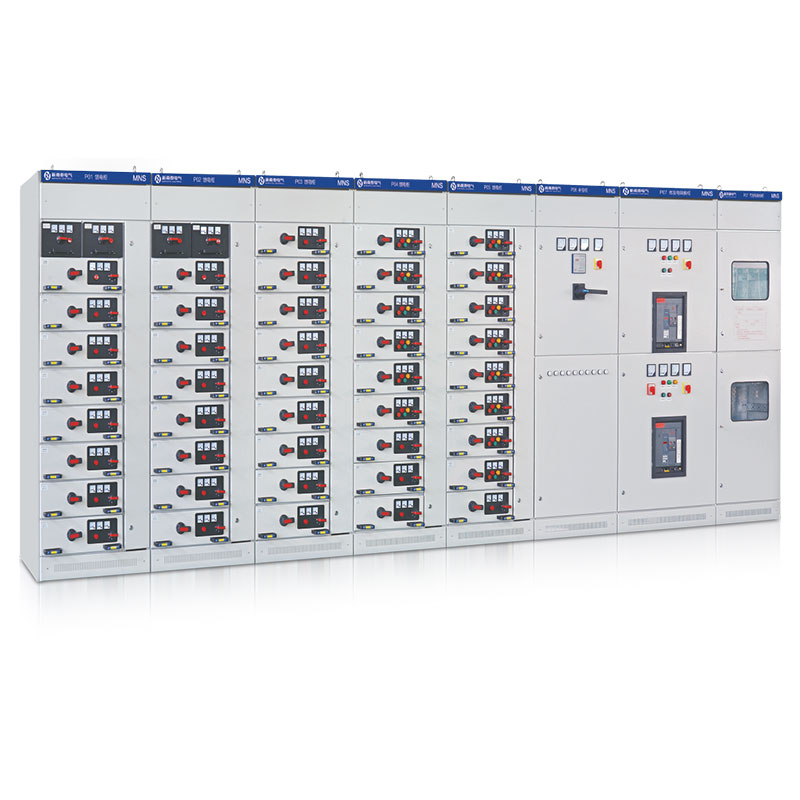
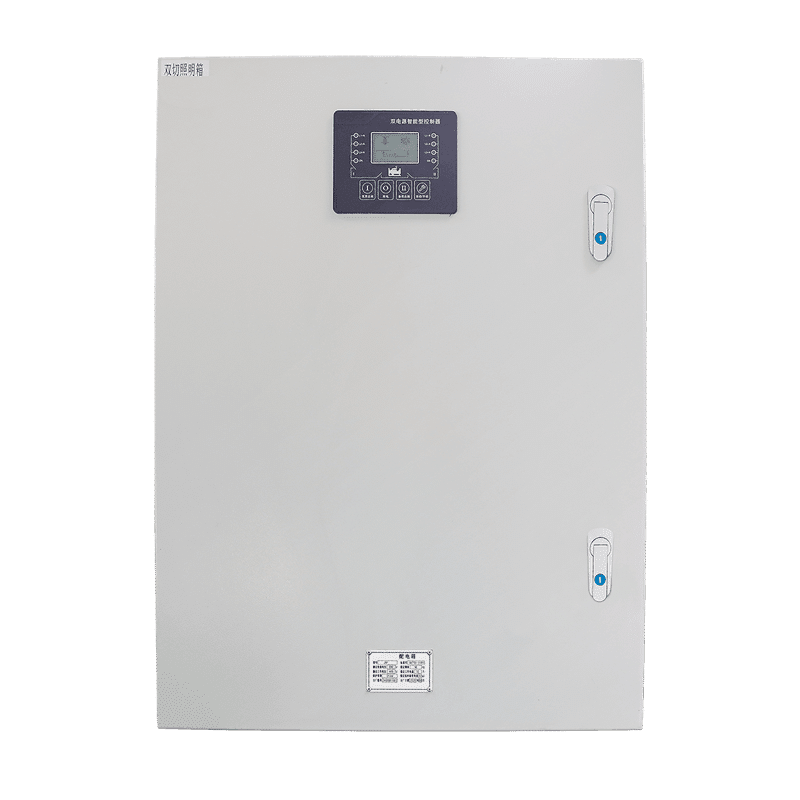
A PLC control cabinet is the nerve center of an automated line — programmable logic controller, power supplies, safety relays, contactors, and terminal wiring engineered into one serviceable enclosure. The cabinet above lists only a sample of the PLC systems we have delivered: flood-control pumping stations, food processing lines, dimming control, chemical dosing, seed screening, and fan groups each demanded a different I/O map, thermal plan, and operator interface.
We design and build PLC control cabinets from your process description or electrical drawings, covering panel layout, wiring, and testing. ElectricalCabinet has built electrical enclosures and control systems since 2010, delivering more than 4,000 projects for industrial clients. Our fabrication covers CNC punching, bending, and welding, with custom cutouts, sizes, and surface finishes built to your drawings. Projects range from single-cabinet controls to multi-cabinet suites with HMI, SCADA handover, and on-site commissioning support.
PLC Control Cabinet Products

Stainless Steel PLC Control Cabinet

Intelligent Dimming PLC Control Cabinet

Gate Pumping Station Flood Control PLC Control Cabinet

Chemical Plant DOS System Control Cabinet

Automatic Food Processing System PLC Control Cabinet

Intelligent PLC Automatic Feeding System Unit

Fully Automatic PLC Control Cabinet For Screening Seeds

One Control And Thirty-Four PLC Fan Control Cabinet

Sponge City Rainwater Automatic Intelligent Treatment System

One Control Four Split Regulating Valve PLC Control Cabinet

Air Conditioning Constant Temperature And Humidity PLC Control Cabinet

One Control And Ten PLC River Automation System Control

PLC Valve Control Cabinet

Dust Removal PLC Control Cabinet

Stainless Steel Automatic Dosing PLC Control Cabinet

Gate Hoist PLC Control Cabinet

PLC Automatic Sewage Control Cabinet

PLC Automatic Crushing Control Cabinet

Double-Door Nuclear Base Fan PLC Control Cabinet

Nuclear Base Fan PLC Control Cabinet
PLC Control Cabinet Manufacturing Process
Electrical Planning and Designing
The initial stage of developing an electrical cabinet demands a careful examination of the product specs and client needs.
Component Layout And Design
This process entails carefully positioning each component to balance performance, security, and simplicity of use.
Installation and Wiring
Wiring work must follow best practices and safety practices,Correct installation and wiring procedures are critical for assuring the safety and efficiency of equipment operation.
Testing and Quality Control
Electrical cabinets' design and performance are validated by a number of tests to verify that all components behave as intended and meet safety requirements in real operation.
Documentation and Maintenance Guide
A detailed operation and maintenance manual is provided for the long-term use and maintenance of the electrical cabinet, including troubleshooting guides and routine maintenance schedules.
General Applications of PLC Control Cabinet


Key Aspects Of PLC Control Cabinet Manufacturing
- Cabinet Structural Design: Builds a sturdy, useful housing for PLC parts. involves planning the layout, choosing the right materials, and sizing the cabinets to meet industry requirements for accessibility, safety, and protection.
- Electrical System Design: arranges and plans the electrical parts within the cabinet. include wire design, power distribution, and control system integration for safe and effective PLC operation.
- Cooling and Ventilation Design: controls the cabinet's temperature. determines the best cooling strategies, computes heat loads, and creates airflow patterns to keep all components running at their ideal temperatures.
- Human-Machine Interface Layout: emphasizes the positioning of input devices, control panels, and displays in an ergonomic manner. provides a clear, user-friendly interface for effective system control and monitoring.
- PLC: Programmable Logic Controller, CPU of the control system. Handles inputs and outputs for automated operations using programmed logic. Select depending on CPU, memory, I/O, and communication.
- HMI: Human-Machine Interface System control and monitoring visual interface. Touchscreen or buttoned display. Provides real-time data, operator input, and process visualization. Based on screen size, resolution, and durability.
- Power Supply: Supplies all cabinet components with reliable power. Determined by overall electricity needs, including peak loads and expansions. Protection against overloads and voltage fluctuations is possible.
- I/O Modules: PLC-field device interface. Handle digital and analog signals. number and kind of inputs/outputs determine selection. May involve signal conditioning and diagnostics.
- Modules for communication Exchange PLC data with other systems or remote devices. Industrial procedures supported. Select depending on communication speed, network structure, and system compatibility.
- Protection Devices and Circuit Breakers: Protect electrical components against overloads and shorts. Install main and branch circuit breakers. Current ratings, breaking capability, and response time determine selection. May allow remote monitoring.
- Materials for cabinets: Steel, stainless steel, aluminum: Environment- and application-based selection. Steel is strong and affordable. In severe environments, stainless steel resists corrosion. Aluminum dissipates heat well and is lightweight. Cabinet durability, weight, and cost depend on choice.
- IP ratings offer protection:Indicate the cabinet's solid and liquid protection. Dust and water protection improves with higher IP ratings. Based on working conditions, inside clean spaces or outdoor or washdown locations.
- Interference-Resistant Materials: To reduce EMI and RFI. Ferrite cores, shielding, and specialty coatings. Required to ensure signal integrity and prevent cabinet electrical component malfunctions.
- CNC Machining: Cabinet panels are cut and drilled with accuracy using computer technology. Ensures that component and cable entry have precise dimensions and holes. Allows for complicated cutting and good reproducibility throughout manufacturing.
- Sheet Metal Forming: The process of bending and shaping metal sheets to form cabinet constructions. Includes processes like as bending, punching, and stamping. Careful planning is required to preserve dimensional correctness and structural integrity.
- Paint and Surface Treatment: Apply protective and cosmetic coatings to cabinet surfaces. This includes washing, priming, and either powder coating or wet painting. Improves corrosion resistance and delivers the ideal look. Special treatments may be used to improve paint adherence.
- Assembly and Wiring: All components are systematically integrated into the cabinet. This includes installing components, routing wires, and creating electrical connections. Requires competent experts to guarantee appropriate installation and wiring organization.
- Electrical Testing: All electrical systems are thoroughly inspected. This includes continuity tests, insulating resistance measurements, and component functioning testing. Ensures the safety and proper operation of the control system.
- Functional Testing: Simulates operating circumstances to ensure system performance. Tests PLC program execution, HMI functionality, and communication systems. Identifies any flaws with component interaction or system logic.
- Environmental Testing: Cabinets are subjected to simulated environmental challenges. Temperature cycling, vibration testing, and humidity exposure are all possible options. Verifies the cabinet's capacity to endure the appropriate operational conditions.
- Electrical Safety Standards: Compliance with requirements such as IEC, UL, and local standards. It discusses insulation, grounding, and overcurrent prevention. Ensures the safety of employees and equipment during operation.
- Electromagnetic compatibility (EMC) standards: Ensures that the cabinet neither emits nor is sensitive to electromagnetic interference. Includes correct shielding, grounding, and component selection. In industrial contexts, reliability is critical.
- Industry Specific Standards: Adherence to industry-specific requirements (such as ATEX for explosive atmospheres). Special design features, material selections, or certification processes may be required.
- Manufacturing Automation: Used for manufacturing lines, assembly operations, and machine control. Ensures accurate management and monitoring of production equipment. Improves productivity and quality in industrial environments.
- Process Control: Applied in continuous process sectors such as chemical, oil, and gas. Manages complicated control loops and regulatory controls. Provides constant product quality and process efficiency.
- Building Automation: Controls the HVAC, lighting, and security systems in commercial buildings. Optimizes energy consumption and increases occupant comfort. Integrates numerous building systems to provide centralized management.
- Energy Management System: Monitors and manages energy use in industrial and commercial environments. Optimizes power consumption, incorporates renewable energy sources, and handles peak demands. Contributes to increased energy efficiency and cost savings.
Read More:Industries
- Custom Design Based On Client Needs: Customizes cabinet design to meet individual client needs. It might be unique dimensions, custom component combinations, or industry-specific characteristics. Ensures that the control system is ideally suited for the application.
- Software Programming and Integration: Creates and installs customized PLC and HMI programs. Integrates the control system into the current plant systems. Data analytics, reporting functions, and specific control algorithms may all be included.
- On-site Installation and Commissioning Support: Offers technical support during cabinet installation. This includes system initialization, fine-tuning, and operator training. Ensures correct integration with on-site equipment and a seamless system transfer.

Another Electrical Control Panels
Low Voltage Distribution Cabinet
Low Voltage Distribution Cabinet Manufacturer Get A Quote Low voltage distribution cabinets take power from the transformer secondary and divide
Water Supply Equipment Control Cabinet
Water Supply Equipment Control Cabinet Manufacturer Get A Quote Home Water Supply Equipment Control Cabinet Products Box Type Frequency Conversion
Fire Fan Control Cabinet
Fire Fan Control Cabinet Manufacturer Get A Quote Home Fire Fan Control Cabinet Products Single Speed Dual Power Supply Fire
Fire Electrical Control Cabinet
Fire Electrical Control Cabinet Manufacturer Get A Quote Fire Electrical Control Cabinet Products One Control Four Fire Inspection Control Cabinet
Frequency Converter Electrical Cabinet
Frequency Converter Electrical Cabinet manufacturer Get A Quote A frequency converter electrical cabinet — VFD panel — houses variable frequency
Key Specifications & Options
The configuration below reflects the options we build to order for PLC control cabinets. Every parameter can be adjusted to match your drawings and site conditions — send us your requirements and our engineers will confirm what applies to your project.
| Parameter | Options / Typical Range |
|---|---|
| Controller platforms | Major PLC brands supported — configuration per project specification |
| Panel scope | Power distribution, safety circuits, motor starters, VFDs, and remote I/O as required |
| Operator interface | HMI touch panels, pushbutton stations, and indicator packages |
| Enclosure options | Carbon steel, stainless, or aluminum; IP54–IP66; wall or free-standing |
| Thermal management | Filtered fans, air-to-air heat exchangers, or heaters sized to heat load |
| Documentation | Wiring diagrams, layout drawings, and I/O schedules delivered with the cabinet |
| Testing | Point-to-point wiring checks and functional test before shipment |
| Support | On-site installation, commissioning, and operator training available |
Frequently Asked Questions
Can you build the cabinet around our specified PLC brand?
Yes — we build to the platform your maintenance team already supports and your specification names. Share the I/O list and network requirements and we lay out the panel accordingly, or our engineers can propose the platform if it is still open.
What documents do you need to start a PLC cabinet project?
An I/O list, single-line diagram or process description, and enclosure preferences are enough to begin. From these we draft the panel layout and wiring plan for your approval before fabrication.
Do you test the cabinets before shipping?
Yes. Every cabinet passes point-to-point wiring verification and functional checks against the I/O schedule before packing. Witness testing by your inspectors can be arranged for larger projects.
Do you support commissioning on site?
Yes — installation supervision, powered start-up, loop checks, and operator training are available as project services, including handover documentation for your maintenance team.
Related Guides
- PLC Control Panel Applications: Industrial Use Cases and Scope Inputs — industrial use cases that shape panel scope
- HMI in PLC Systems: Role and Interface Planning — planning the operator interface into the control cabinet
- Industrial Control Panel Design Standards: Scope, Evidence, and Project Inputs — which standards apply to your panel project and how to evidence them
- PLC Machinery for Manufacturing Automation — how PLC platforms map onto production machinery
 EN
EN