







IP65 Electrical Enclosure Rating
IP65 electrical enclosures offer reliable protection against solid objects and water splashes.
What is IP65 Enclosure Rating?
IP65 electrical enclosures are intended to offer extensive protection for electrical equipment against dust and water jets. These enclosures are suitable for both indoor and outdoor applications that demand high levels of protection.

A IP65 Enclosure For Your Application
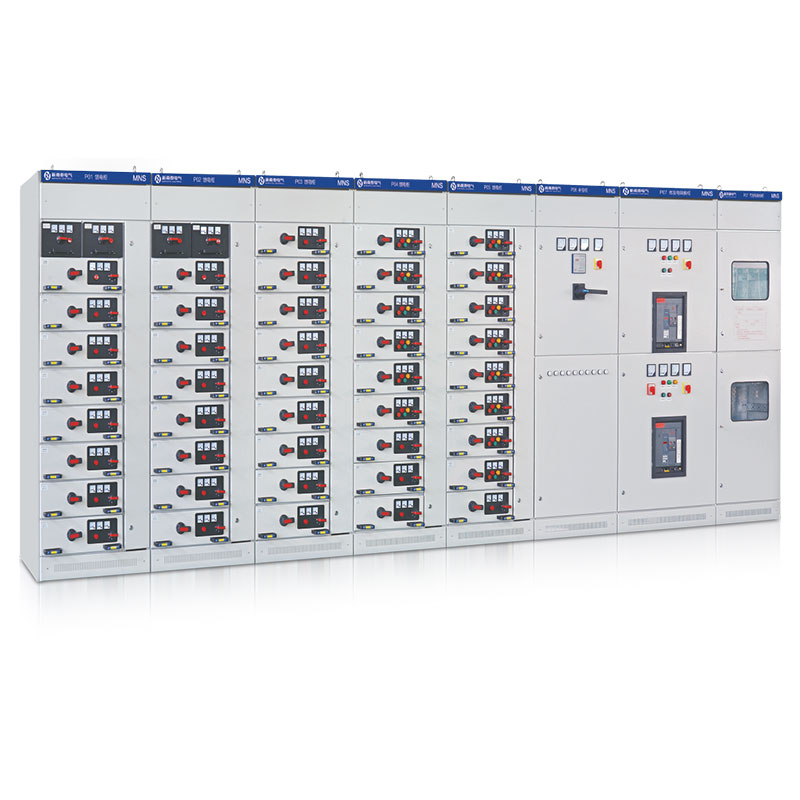
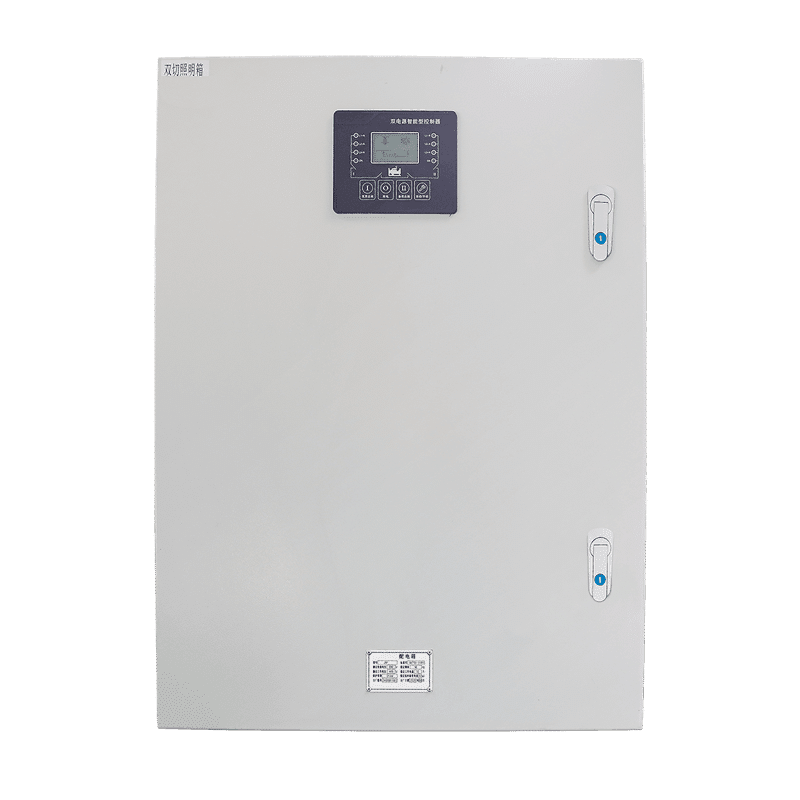
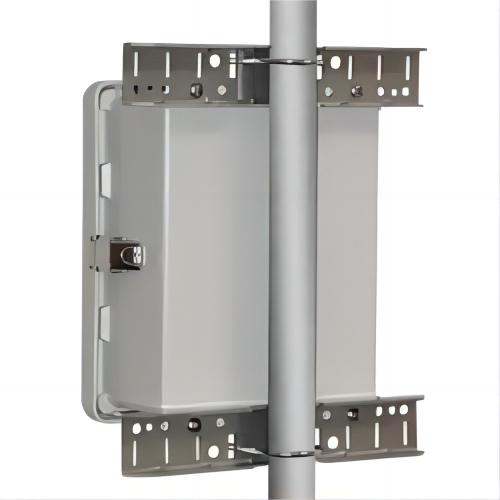
Some of the basic types of IP65 electrical enclosures that you’ll find on the market today include:
Features of IP65 Enclosure
- تصنيف الحماية من الدخول (IP): The "IP" in IP65 refers to Ingress Protection, while the "65" represents the level of protection. The first digit, "6", denotes total dust protection. The second digit, "5", denotes protection against low-pressure water jets from all directions.
- حماية من الغبار: IP65 enclosures provide comprehensive dust protection, guaranteeing that dust does not enter the enclosed equipment.
- حماية المياه: These enclosures offer strong protection against water jets, making them ideal for locations where equipment may be subjected to water sprays or cleaning procedures.
- البناء: وغالبًا ما تكون هذه العبوات مصنوعة من مواد قوية مثل الفولاذ أو الألومنيوم أو البلاستيك وتهدف إلى تحمل الظروف المناخية القاسية مع توفير حماية طويلة الأمد.
Advantages And Disadvantages For IP65 Enclosure
المزايا
- الحماية الشاملة: Provides dependable protection against dust and water jets, extending the life and effectiveness of the enclosed equipment.
- استخدام متعدد الاستخدامات: مثالية لمجموعة متنوعة من التطبيقات الداخلية والخارجية في البيئات الصناعية والتجارية.
- هيكل متين: مصنوعة من مواد قوية تتحمل الظروف الجوية وتوفر حماية طويلة الأمد.
العيوب
- Not Fully Waterproof: IP65 enclosures are not intended for continuous immersion in water.
- اعتبارات التركيب: Proper installation is required to retain the IP65 certification and provide complete protection.
Custom Your IP65 Enclosure
When choosing an IP65 electrical inclosure, examine the specific climate, the size and kind of equipment to be housed, and any additional needs for dust and water jet protection. Our Custom IP65 enclosures provide dependable protection against dust and water jets, making them suitable for indoor and outdoor use. Choose from a range of sizes, materials, and extra features to keep your electrical equipment safe in any setting.
تعرّف على كيفية اختيار الحجم والمواد المناسبة لاحتياجاتك. اتصل بنا لمزيد من المعلومات!
تصنيفات ضميمة IP ذات الصلة
ضميمة كهربائية IP67
تصنيف الضميمة الكهربائية IP67 تم تصميم العبوات الكهربائية IP67 لتوفير أعلى مستوى من الحماية للمعدات الكهربائية ضد
ضميمة كهربائية IP57
توفر الضميمة الكهربائية IP57 تصنيف الضميمة الكهربائية IP57 حماية موثوقة ضد الأجسام الصلبة ورذاذ الماء. احصل على عرض أسعار للمنزل
ضميمة كهربائية IP66
يوفر تصنيف الضميمة الكهربائية IP66 IP66 حماية موثوقة ضد الأجسام الصلبة ورذاذ الماء. احصل على عرض أسعار للمنزل
ضميمة كهربائية IP55
توفر الضميمة الكهربائية IP55 تصنيف الضميمة الكهربائية IP55 حماية موثوقة ضد الأجسام الصلبة ورذاذ الماء. احصل على عرض أسعار للمنزل
ضميمة كهربائية IP68
يوفر تصنيف الضميمة الكهربائية IP68 IP68 للحاوية الكهربائية حماية موثوقة ضد الأجسام الصلبة ورذاذ الماء. احصل على عرض أسعار للمنزل
ضميمة كهربائية IP54
توفر العبوات الكهربائية ذات التصنيف IP54 IP54 حماية معتدلة ضد الأجسام الصلبة وحماية محدودة ضد رذاذ الماء، مما يجعل
 AR
AR  EN
EN  EN_ZA
EN_ZA  EN_GB
EN_GB  DE
DE  ES
ES  FR
FR  IT
IT  JA
JA  ZH
ZH  TR
TR  RU
RU  EN_CA
EN_CA  EN_AU
EN_AU  NL
NL  PT
PT  FA
FA