







IP68 Electrical Enclosure Rating
IP68 electrical enclosures offer reliable protection against solid objects and water splashes.
What is IP68 Enclosure Rating?
IP68 electrical inclosures are intended to provide the most comprehensive protection for electrical equipment against dust and prolonged immersion in water. These inclosures are excellent for the most demanding indoor and outdoor applications, where exceptional protection is required.

A IP68 Enclosure For Your Application
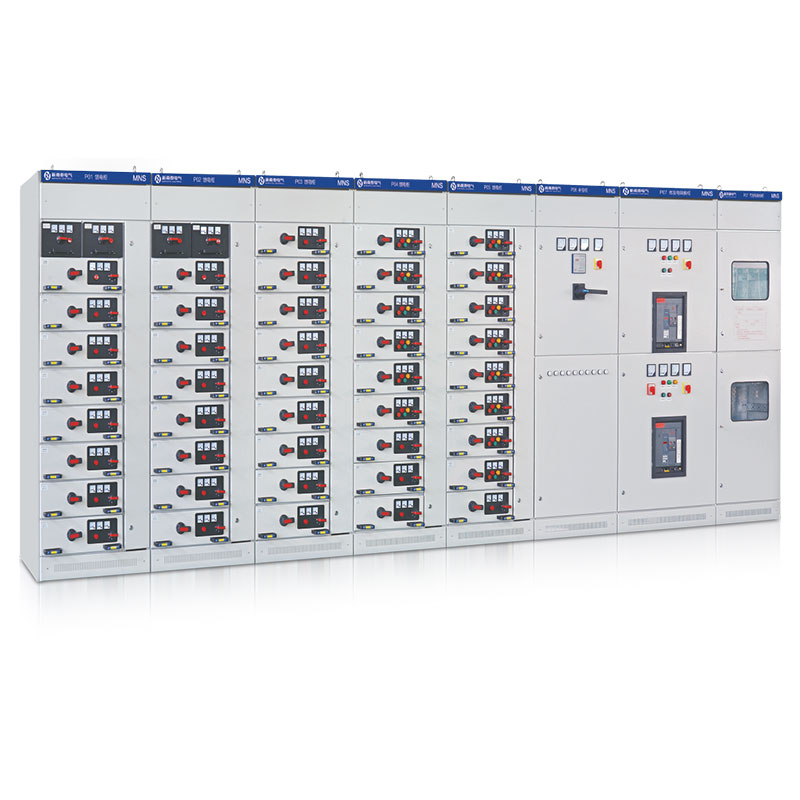
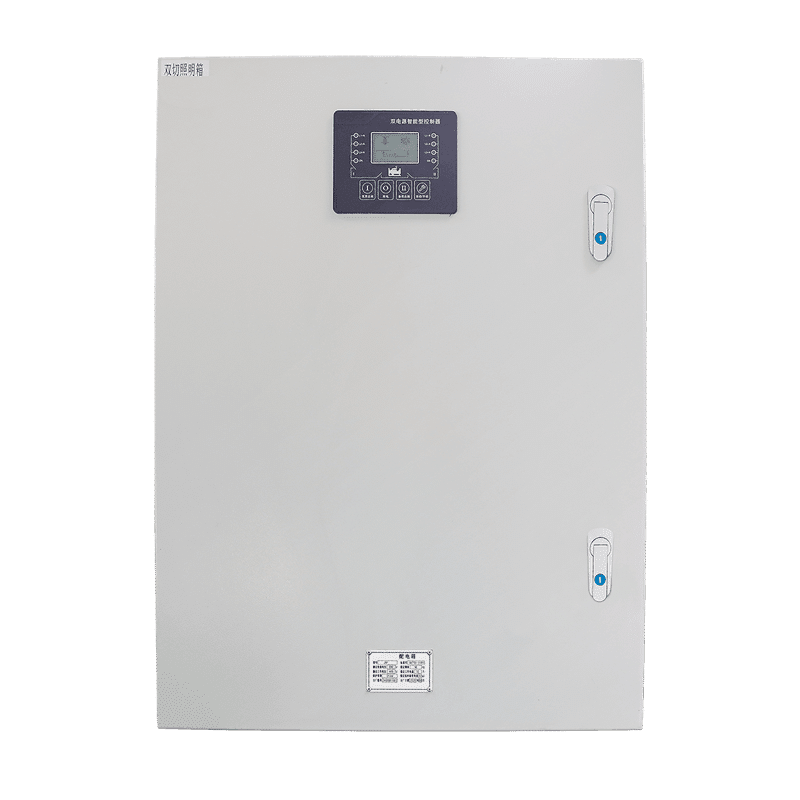
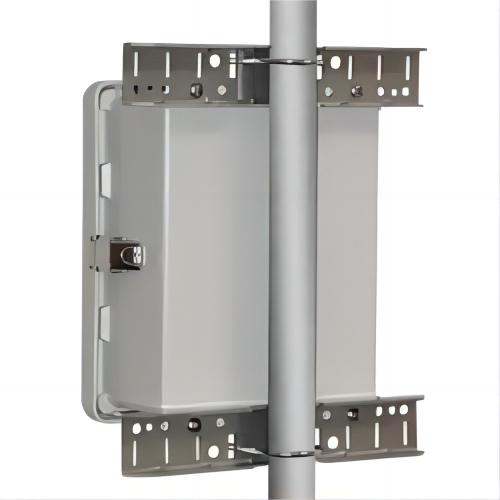
Some of the basic types of IP68 electrical enclosures that you’ll find on the market today include:
IP68 electrical enclosures are rated for continuous immersion — equipment that lives underwater or in flood zones: submersible pump connections, wet-well controls, underwater lighting junctions, dockside and marine instrumentation, and any installation where standing water is a design condition rather than an accident. Under IEC 60529, IP68 means the ingress of water in harmful quantity is prevented during prolonged immersion at conditions agreed between manufacturer and user.
We build IP68 enclosures with welded or molded bodies, engineered seals, and entry systems that keep the rating after cabling. ElectricalCabinet has built electrical enclosures and control systems since 2010, delivering more than 4,000 projects for industrial clients. Our fabrication covers CNC punching, bending, and welding, with custom cutouts, sizes, and surface finishes built to your drawings. The cable entries and potting details are specified together with the box — immersion duty is won or lost at the glands, not the shell.
Features of IP68 Enclosure
- Ingress Protection (IP) Rating: The "IP" in IP68 refers to Ingress Protection, and the "68" represents the level of protection. The first digit, "6", denotes total dust protection. The second digit, "8", denotes protection against prolonged immersion in water deeper than one metre, as stated by the manufacturer.
- Dust Protection: IP68 enclosures provide comprehensive dust protection, guaranteeing that dust does not enter the enclosed equipment.
- Water Protection: These enclosures provide strong protection against continuous immersion in water, making them appropriate for locations where equipment may be subjected to extended submersion.
- Construction: These enclosures are often made of robust materials such as stainless steel, aluminium, or reinforced plastic, and are meant to endure the worst weather conditions while providing long-term protection.
Advantages And Disadvantages For IP68 Enclosure
Advantages
- Comprehensive Protection: Offers the best degree of protection against both dust and continuous water immersion, therefore guaranteeing the lifetime and operation of the contained machinery.
- Versatile Use: Suitable for a broad spectrum of uses in both indoor and outdoor locations, in the most demanding surroundings is adaptable use
- Durable Construction: Designed from strong materials to resist great environmental exposure and offer long-lasting protection, durable construction.
Disadvantages
- Cost: IP68 enclosures' great degree of protection and sturdy construction means that they might be more costly.
- Installation Considerations: Maintaining the IP68 certification and guaranteeing complete protection depends on correct installation.
Custom Your IP68 Enclosure
Our custom IP55 enclosures provide reliable protection against dust and low-pressure water jets, making them perfect for both indoor and outdoor applications. Choose from a variety of sizes, materials, and additional features to ensure your electrical equipment is safeguarded in any environment.
Learn how to select the right size and material for your needs. Contact us for more information!
Related IP Enclosure Ratings
IP66 Electrical Enclosure
IP66 Electrical Enclosure Rating IP66 electrical enclosures offer reliable protection against solid objects and water splashes. Get A Quote What
IP44 Electrical Enclosure
IP44 Electrical Enclosure Rating IP44 electrical enclosures offer reliable protection against solid objects and water splashes. Get A Quote What is
IP56 Electrical Enclosure
IP56 Electrical Enclosure Rating IP56 electrical enclosures offer reliable protection against solid objects and water splashes. Get A Quote What
IP55 Electrical Enclosure
IP55 Electrical Enclosure Rating IP55 electrical enclosures offer reliable protection against solid objects and water splashes. Get A Quote What
IP65 Electrical Enclosure
IP65 Electrical Enclosure Rating IP65 electrical enclosures offer reliable protection against solid objects and water splashes. Get A Quote What
IP54 Electrical Enclosure
IP54 Electrical Enclosure Rating IP54 electrical enclosures offer moderate protection against solid objects and limited protection against water splashes, making
Key Specifications & Options
The configuration below reflects the options we build to order for IP68 electrical enclosures. Every parameter can be adjusted to match your drawings and site conditions — send us your requirements and our engineers will confirm what applies to your project.
| Parameter | Options / Typical Range |
|---|---|
| Rating definition | IEC 60529 IP68: dust-tight plus protected against continuous immersion (depth/time per agreed specification) |
| Material options | Stainless steel, aluminum, polycarbonate, and fiberglass bodies |
| Sealing system | Welded or molded seamless bodies with engineered lid gaskets |
| Cable entry | Immersion-rated glands, potting, or resin-sealed entries specified per cable |
| Pressure equalization | Breathers or potting arrangements where thermal cycling would pump water past seals |
| Internal hardware | Terminal blocks and DIN rails rated for the enclosure environment |
| Customization | Cutouts machined and re-sealed by us — never left to site drilling |
| Typical applications | Submersible pumps, wet wells, underwater lighting, dockside and marine equipment, flood-prone sites |
Frequently Asked Questions
What exactly does the 8 in IP68 guarantee?
It guarantees protection against continuous immersion in water under conditions — depth and duration — agreed between manufacturer and user, unlike the defined-jet tests of IP65/IP66. Always confirm the specific depth/time specification behind an IP68 claim.
IP68 or IP69 — which do I need?
IP68 targets immersion; IP69 targets high-temperature, high-pressure wash-down. Submerged equipment needs IP68; food-line equipment facing steam-jet cleaning needs IP69K-class performance. Our comparison guide covers the boundary cases.
Why do IP68 enclosures fail in service?
Almost always at cable entries and unsealed penetrations drilled on site. We machine and re-seal all cutouts in the factory and match glands to the actual cable schedule — site-drilling an IP68 box voids the immersion rating.
Can electronics be serviced inside an IP68 enclosure?
Yes — the lid seals are designed for repeated opening when correctly reassembled. We supply torque and gasket-lubrication instructions, and recommend spare gaskets for maintenance cycles.
Related Guides
- IP68 vs IP69 Enclosures: Immersion, High-Pressure Cleaning, and Selection Inputs — where immersion duty ends and wash-down duty begins
- IP Rating vs NEMA Rating: How to Plan Electrical Enclosure Protection — planning protection levels across rating systems
- Conformal Coating vs Waterproof Enclosures: What Each Protection Layer Does — combining coating and enclosure protection for wet electronics
- Membrane Cable Glands: Sealing and Cable-Entry Planning — entry sealing strategy for immersion duty
 EN
EN