







IP56 Electrical Enclosure Rating
IP56 electrical enclosures offer reliable protection against solid objects and water splashes.
What is IP56 Enclosure Rating?
IP56 electrical inclosures offer superior dust and water jet protection, making them ideal for a wide range of indoor and outdoor applications.

A IP56 Enclosure For Your Application
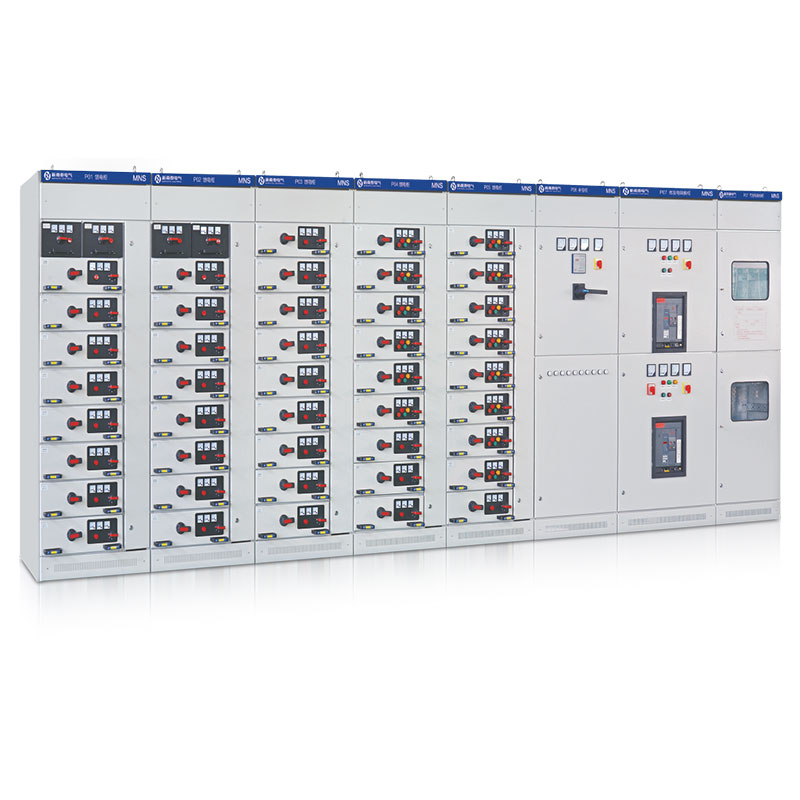
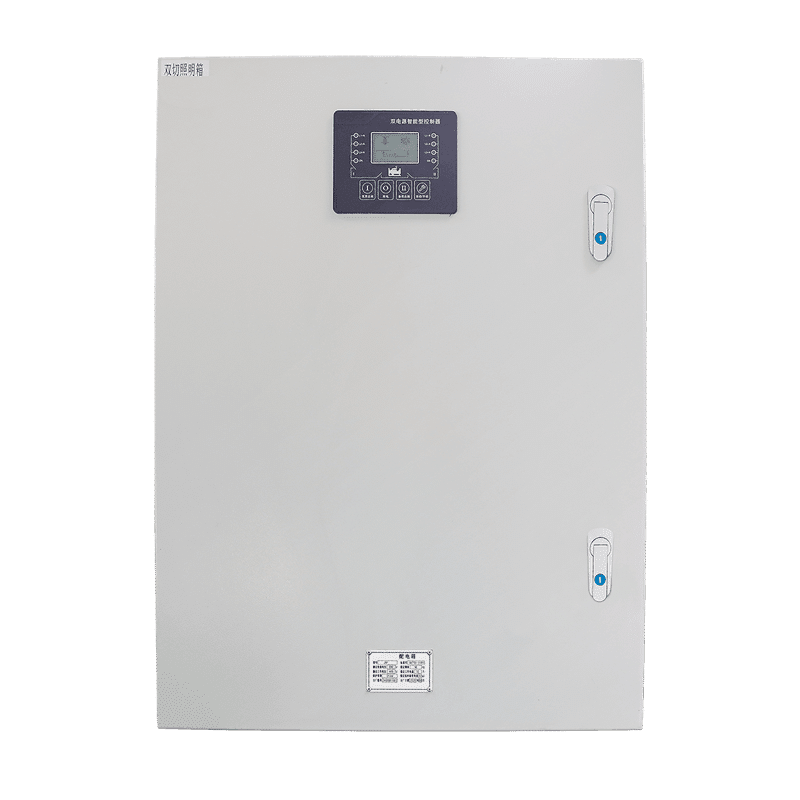
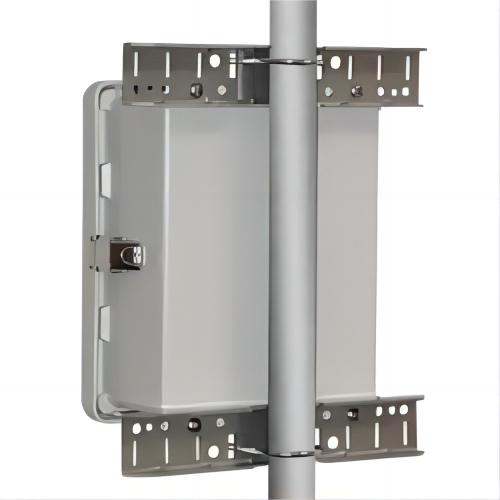
Some of the basic types of IP56 electrical enclosures that you’ll find on the market today include:
IP56 electrical enclosures are built for water that arrives with force — heavy seas, spray zones, and high-pressure hosing. Under IEC 60529 the enclosure is dust-protected (5) and withstands powerful water jets from any direction (6), which suits dockside equipment, coastal plants, marine-adjacent installations, and service areas exposed to fire-hose rinsing.
We reinforce the platform behind every IP56 build: welded and sealed seams, compression door gaskets, marine-grade finish options, and gland entries selected to keep the rating intact. ElectricalCabinet has fabricated enclosures since 2010 — more than 4,000 delivered projects built on CNC punching, bending, and welding lines, with every box finished to customer drawings.
Features of IP56 Enclosure
- Ingress Protection (IP) Rating: The "IP" in IP56 denotes Ingress Protection, while the "56" specifies the level of protection. The first digit, "5", shows adequate protection against dust intrusion to prevent hazardous deposits. The second digit, "6", denotes resistance against forceful water sprays from any direction.
- Dust Protection: IP56 enclosures provide excellent dust protection, keeping the enclosed equipment free of dangerous dust deposits.
- Water Protection: These inclosures offer strong protection against powerful water jets, making them ideal for locations where equipment may be subjected to prolonged water exposure or cleaning operations.
- Construction: These enclosures are often made of robust materials such as steel, aluminum, or plastic and are intended to endure harsh climatic conditions while providing long-term protection.
Advantages And Disadvantages For IP56 Enclosure
Advantages
- Comprehensive Protection: Provides dependable protection against both dust and forceful water jets, extending the life and functioning of the enclosed equipment.
- Versatile Use: Ideal for a variety of indoor and outdoor applications in industrial and commercial environments.
- Durable Construction: Made with strong materials that can endure weather conditions and give long-term protection.
Disadvantages
- Not Fully Waterproof: IP56 enclosures are not intended for continuous immersion in water.
- Limited Protection Against Tiny Dust: While it provides adequate dust protection, tiny dust particles may still penetrate in some instances.
Custom Your IP56 Enclosure
When choosing an IP56 electrical enclosure, examine the specific environment, the size and kind of equipment to be housed, and any additional needs for dust and water jet protection. Our unique IP56 enclosures protect against dust and forceful water jets, making them ideal for both indoor and outdoor applications.
Learn how to select the right size and material for your needs. Contact us for more information!
Related IP Enclosure Ratings
IP44 Electrical Enclosure
IP44 Electrical Enclosure Rating IP44 electrical enclosures offer reliable protection against solid objects and water splashes. Get A Quote What is
IP55 Electrical Enclosure
IP55 Electrical Enclosure Rating IP55 electrical enclosures offer reliable protection against solid objects and water splashes. Get A Quote What
IP67 Electrical Enclosure
IP67 Electrical Enclosure Rating IP67 electrical enclosures are designed to provide the highest level of protection for electrical equipment against
IP54 Electrical Enclosure
IP54 Electrical Enclosure Rating IP54 electrical enclosures offer moderate protection against solid objects and limited protection against water splashes, making
IP57 Electrical Enclosure
IP57 Electrical Enclosure Rating IP57 electrical enclosures offer reliable protection against solid objects and water splashes. Get A Quote What
IP68 Electrical Enclosure
IP68 Electrical Enclosure Rating IP68 electrical enclosures offer reliable protection against solid objects and water splashes. Get A Quote What
Key Specifications & Options
The configuration below reflects the options we build to order for IP56 electrical enclosures. Every parameter can be adjusted to match your drawings and site conditions — send us your requirements and our engineers will confirm what applies to your project.
| Parameter | Options / Typical Range |
|---|---|
| Ingress rating (IEC 60529) | IP56 — dust-protected; powerful water jets / heavy seas (12.5 mm nozzle, ~100 L/min) |
| Typical applications | Dockside and coastal plants, spray zones, wash-down bays, marine-adjacent service areas |
| Body material options | 304/316L stainless steel, marine-finished carbon steel, aluminum |
| Wall thickness | Typically 1.5–3.0 mm with reinforced doors |
| Construction | Continuous welded seams dressed smooth; compression latches clamping the gasket evenly |
| Cable entry | High-rated glands and sealed membranes; entry plates welded or gasketed |
| Surface finish | Epoxy or C5-class paint systems for marine carbon steel; brushed or passivated stainless |
| Customization | Rain roofs, drain channels, mounting feet, interior fit-out to drawing |
Frequently Asked Questions
IP56 vs IP66 — which for coastal duty?
The water test level is the same (digit 6). The difference is dust: IP66 is fully dust-tight, IP56 is dust-protected. Where airborne salt and sand load the seals continuously, IP66 protects the interior more completely; sheltered spray zones can use IP56 economically.
Can IP56 enclosures survive immersion?
No — jet resistance is not submersion resistance. Temporary immersion calls for IP67 (1 m, 30 minutes) or IP68 for defined continuous conditions. We review the water events at your site before fixing the rating.
What materials suit salt-water exposure?
316L stainless steel with passivation is the primary choice; marine paint systems on carbon steel are a lower-cost alternative with a maintenance cycle. We advise per site.
Do you build single custom IP56 cabinets?
Yes — single custom builds and repeat series both. Send the drawing or target dimensions and we return material, finish, and price confirmation.
Related Guides
- Electrical Enclosure Material Selection: How to Choose for the Environment — material choice for corrosive coastal environments
- Electrical Enclosure Condensation and Ventilation: Planning Guide — condensation cycling in sealed outdoor bodies
- IP66 Electrical Enclosure — the dust-tight counterpart for full coastal exposure
 EN
EN