







Outdoor 5G telecom enclosures may house radios, power supplies, batteries, fiber or copper interfaces, monitoring, and auxiliary controls. The design brief should start with the equipment heat load and service model, then address weather, access, and cable routing.
Define the equipment package
List radios, power conversion, batteries or backup equipment, switches, monitoring devices, antennas or fiber interfaces, and cable entries. Record dimensions, power, heat, connector types, maintenance access, and the party responsible for each device.
Outdoor and thermal conditions
Capture solar exposure, ambient temperature, rain, humidity, condensation, dust, corrosion, vandalism, mounting, and service frequency. Document heat sources and airflow assumptions before selecting ventilation, cooling, insulation, or blanking features. Do not infer an IP/NEMA rating or thermal performance from a generic 5G label.
Service and communication inputs
Define front/rear access, locks, cable bend radius, fiber handling, grounding, surge protection, remote alarms, network ownership, and spare capacity. Include a maintenance and replacement workflow so future changes do not compromise sealing or cable organization.
Selection checklist
- Equipment list, dimensions, power, heat, and interfaces.
- Weather, condensation, corrosion, vandalism, and mounting conditions.
- Cooling, cable entry, grounding, access, and maintenance.
- Monitoring, remote alarms, labels, manuals, and change control.
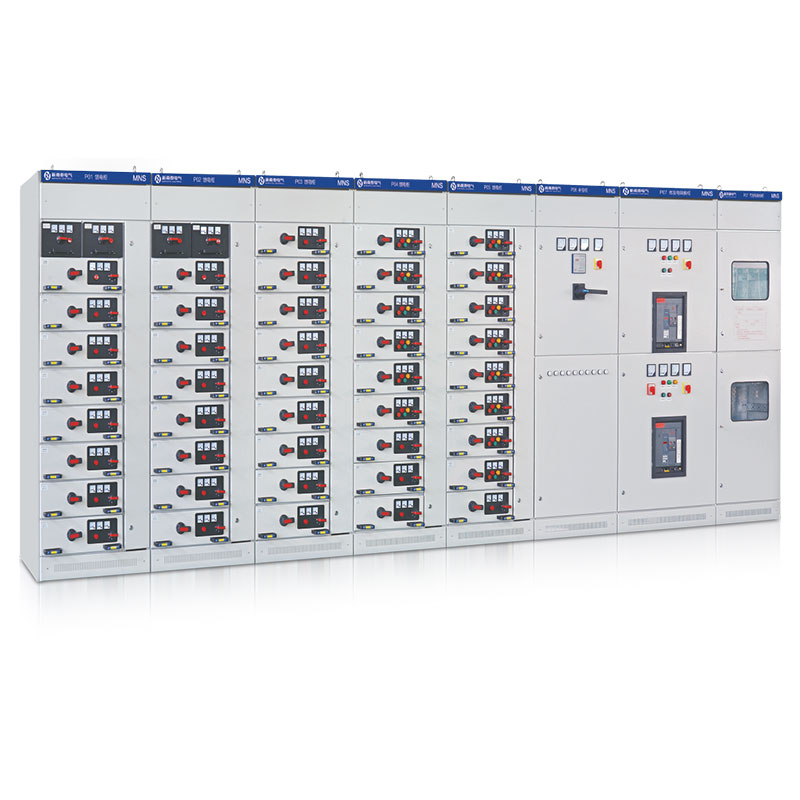
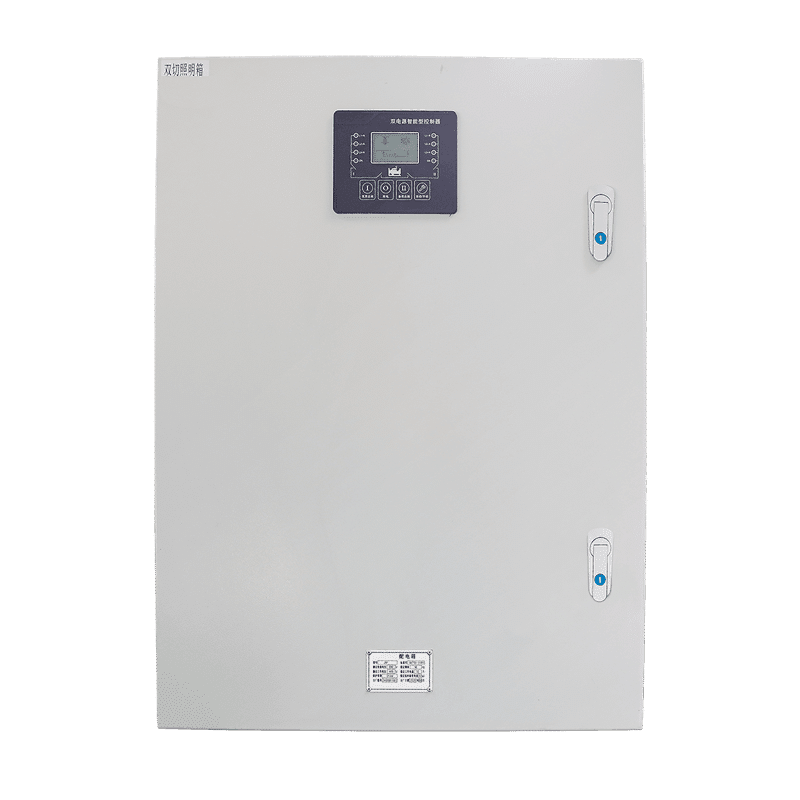
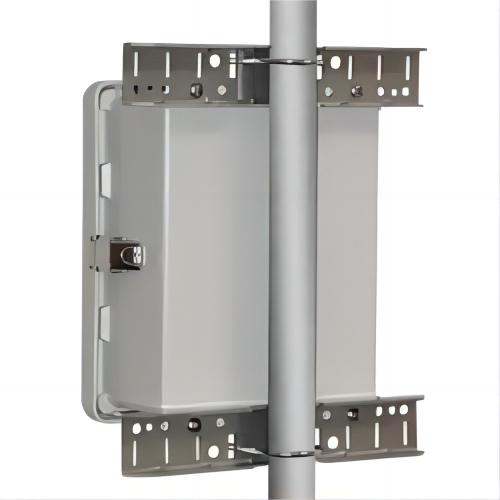
Use enclosure images as deployment-independent examples. A photograph cannot prove a telecom operator approval, network performance, or 5G compatibility.
 EN
EN  EN_ZA
EN_ZA  AR
AR  EN_GB
EN_GB  DE
DE  ES
ES  FR
FR  IT
IT  JA
JA  ZH
ZH  TR
TR  RU
RU  EN_CA
EN_CA  EN_AU
EN_AU  NL
NL  PT
PT  FA
FA