







IP55 Electrical Enclosure Rating
IP55 electrical enclosures offer reliable protection against solid objects and water splashes.
What is IP55 Enclosure Rating?
IP55 electrical inclosures are designed to protect electrical equipment against dust and low-pressure water jets from all directions. This makes them suited for indoor and outdoor applications requiring modest protection.

A IP55 Enclosure For Your Application
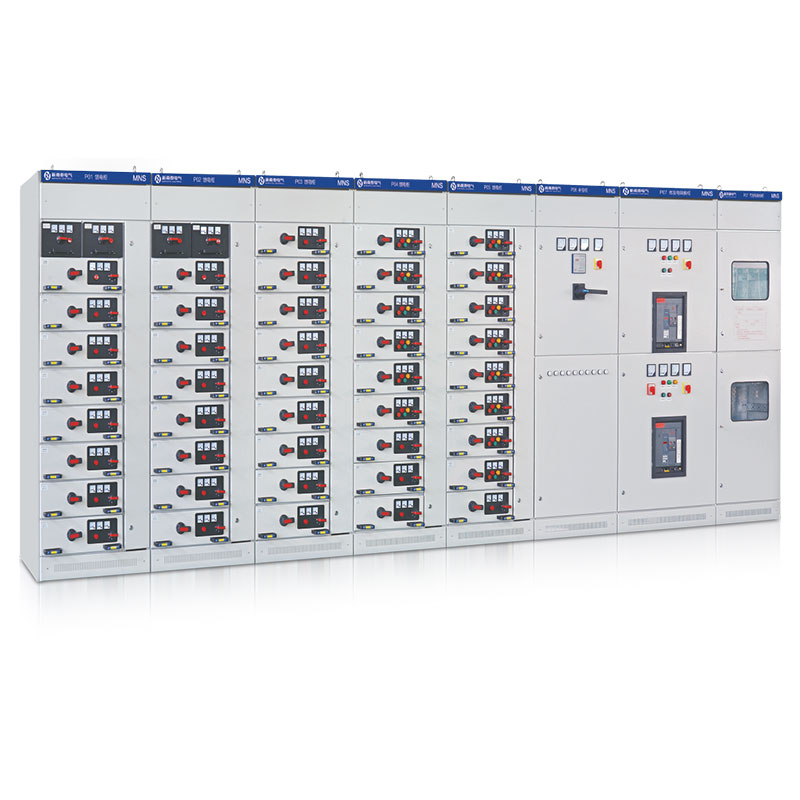
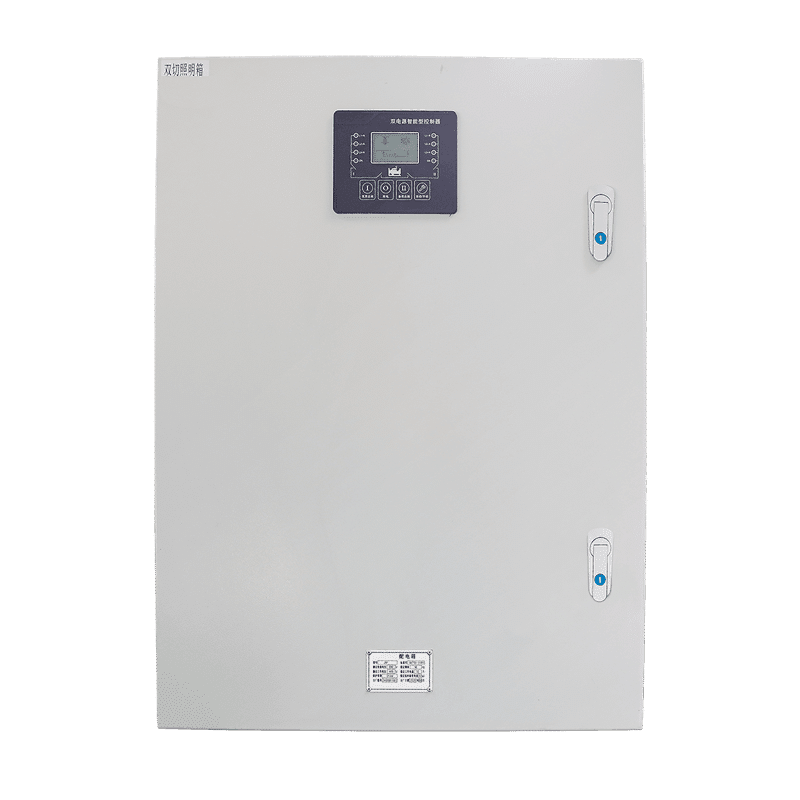
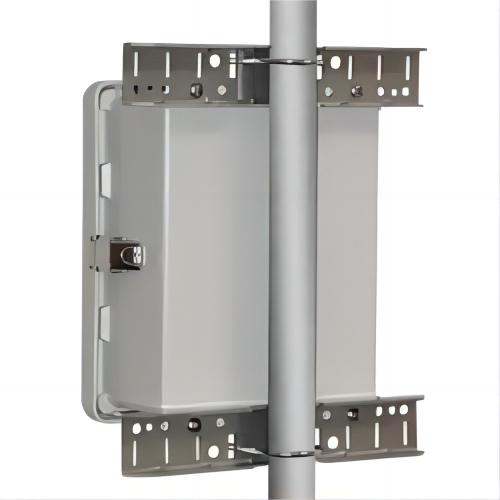
Some of the basic types of IP55 electrical enclosures that you’ll find on the market today include:
When a cabinet must shrug off both dust and directed water, an IP55 electrical enclosure is the balanced industrial answer. The rating combines dust-protected construction (first digit 5) with protection from low-pressure water jets (second digit 5) — suitable for wash-adjacent production floors, covered outdoor positions, and water treatment galleries.
Each IP55 enclosure leaves our shop with a continuous door gasket, sealed or glanded cable entries, and a finish chosen for the room it serves. Since 2010 we have completed 4,000+ enclosure projects using CNC punching, bending, and welding, and custom cutouts, sizes, and finishes are quoted straight from your drawings.
Features of IP55 Enclosure
- Ingress Protection (IP) Rating: The protection level is indicated by the "55" in IP55, which stands for Ingress Protection. The first number, "5", denotes a level of dust infiltration prevention high enough to avoid hazardous deposits. Protection against low-pressure water jets coming from any direction is indicated by the second digit, "5".
- Dust Protection: IP55 inclosures provide excellent dust protection, preventing dangerous dust accumulations on the enclosed equipment.
- Water Protection: Because these inclosures resist water jets, they are appropriate for settings where equipment may come into contact with water splashes or cleaning procedures.
- Construction: These inclosures are usually made of sturdy materials like plastic, steel, or aluminium. They are intended to endure severe weather and offer enduring protection.
Advantages And Disadvantages For IP55 Enclosure
Advantages
- Comprehensive Protection: Enables the enclosed equipment to perform and last a long time by providing dependable protection from water jets and dust.
- Versatile Use: Appropriate for a variety of indoor and outdoor uses in commercial and industrial environments.
- Sturdy Construction: Constructed from sturdy materials to resist exposure to the elements and offer enduring protection.
Disadvantages
- Not Completely Waterproof: High-pressure water jets or prolonged submersion in water are not intended uses for IP55 enclosures.
Limited Protection - Against Tiny Dust: Offers decent dust protection, however, occasionally tiny dust particles may still get through.
Custom Your IP55 Enclosure
Our custom IP55 enclosures provide reliable protection against dust and low-pressure water jets, making them perfect for both indoor and outdoor applications. Choose from a variety of sizes, materials, and additional features to ensure your electrical equipment is safeguarded in any environment.
Learn how to select the right size and material for your needs. Contact us for more information!
Related IP Enclosure Ratings
IP68 Electrical Enclosure
IP68 Electrical Enclosure Rating IP68 electrical enclosures offer reliable protection against solid objects and water splashes. Get A Quote What
IP56 Electrical Enclosure
IP56 Electrical Enclosure Rating IP56 electrical enclosures offer reliable protection against solid objects and water splashes. Get A Quote What
IP67 Electrical Enclosure
IP67 Electrical Enclosure Rating IP67 electrical enclosures are designed to provide the highest level of protection for electrical equipment against
IP65 Electrical Enclosure
IP65 Electrical Enclosure Rating IP65 electrical enclosures offer reliable protection against solid objects and water splashes. Get A Quote What
IP54 Electrical Enclosure
IP54 Electrical Enclosure Rating IP54 electrical enclosures offer moderate protection against solid objects and limited protection against water splashes, making
IP44 Electrical Enclosure
IP44 Electrical Enclosure Rating IP44 electrical enclosures offer reliable protection against solid objects and water splashes. Get A Quote What is
Key Specifications & Options
The configuration below reflects the options we build to order for IP55 electrical enclosures. Every parameter can be adjusted to match your drawings and site conditions — send us your requirements and our engineers will confirm what applies to your project.
| Parameter | Options / Typical Range |
|---|---|
| Ingress rating (IEC 60529) | IP55 — dust-protected body; low-pressure water jets (6.3 mm nozzle, ~12.5 L/min) from any direction |
| Typical applications | General industrial control, wash-adjacent packaging, covered outdoor positions, water treatment galleries |
| Body material options | Carbon steel with powder coat, 304/316 stainless steel, aluminum |
| Wall thickness | Typically 1.0–3.0 mm by size and duty |
| Door and sealing | Continuous gasket, formed rain roof on outdoor builds, lockable handles |
| Cable entry | Gland plates or membrane glands matched to maintain the rating |
| Customization | Cutouts, windows, interior lighting, back pans, and dimensional changes to drawing |
| Fabrication | CNC punching and bending; welded frames ground and sealed at seams |
Frequently Asked Questions
IP55 vs IP65 — is the dust difference important?
Yes, in dusty environments. IP55 is dust-protected — some dust may enter but not harmfully — while IP65 is fully dust-tight. Sites with fine mineral, flour, or carbon dust should move to IP65; cleaner rooms can stay with IP55 and save cost.
IP55 vs IP56 — what does the stronger second digit add?
IP56 resists powerful water jets and heavy seas — roughly a 12.5 mm nozzle at 100 litres per minute. Choose IP56 for dockside, deck, or fire-hose exposure; IP55 covers normal hosing and splashing.
What interior options can you install before shipping?
Back panels, DIN rails, busbars, terminal blocks, sockets, and lighting can be fitted and made wire-ready for your integrator, with cutouts prepared for operator devices.
What is the usual lead time?
Lead time depends on complexity and quantity; simple modified builds move fastest. A confirmed schedule accompanies every quotation.
Related Guides
- IP Rating vs NEMA Rating: How to Plan Electrical Enclosure Protection — positioning IP55 within the full rating landscape
- Membrane Cable Glands: Sealing and Cable-Entry Planning — keeping cable entries at the rating level
- IP65 Electrical Enclosure — the dust-tight specification for exposed or fine-dust sites
 EN
EN