







Start with the process, not the cabinet
A chemical dosing control system coordinates pumps, tanks, valves, instruments, alarms, and operator commands. The control panel is one part of the system. Before selecting a cabinet, define the chemical service, dosing objective, operating modes, measurement points, and the boundary between the panel, dosing equipment, and process engineer.
This guide is for planning inputs. It does not establish chemical compatibility, treatment performance, or a complete water-treatment design.
Core design inputs
| Input | Questions to confirm |
|---|---|
| Chemical and service | What chemical, concentration, temperature, and material compatibility apply? |
| Dosing objective | Is the system based on time, flow, level, feedback, or a recipe? |
| Pump arrangement | How many pumps, what duty/standby logic, and what feedback are required? |
| Tank and level signals | Which high, low, empty, or overflow conditions must alarm or inhibit dosing? |
| Flow or process feedback | Which instrument confirms flow or process response? |
| Valves and interlocks | Which valves must be open, closed, or proven before a pump runs? |
| Environment | Is the panel indoor, outdoor, wet, corrosive, or exposed to washdown? |
Control architecture
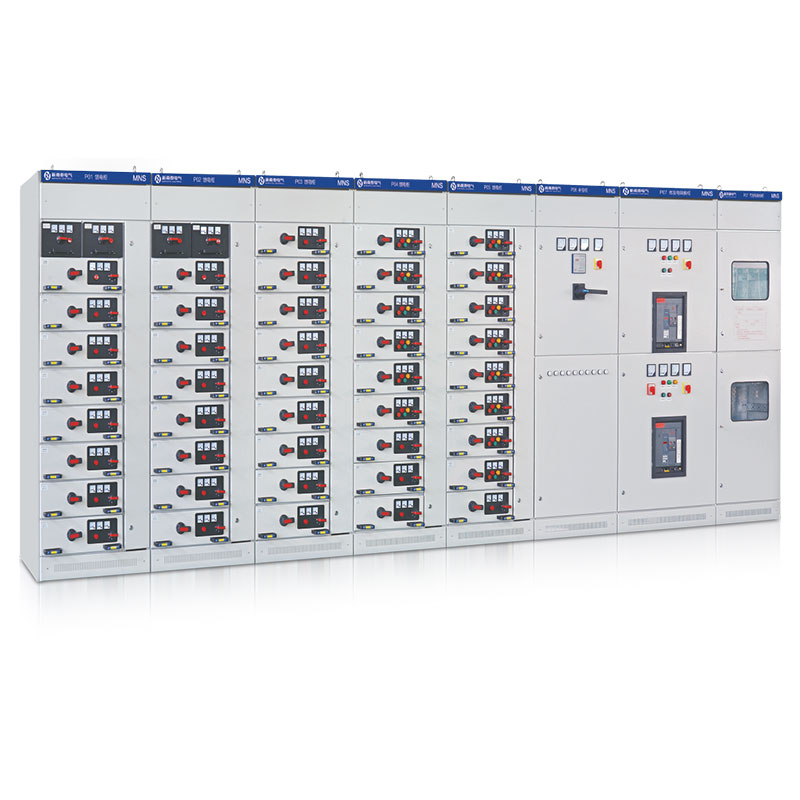
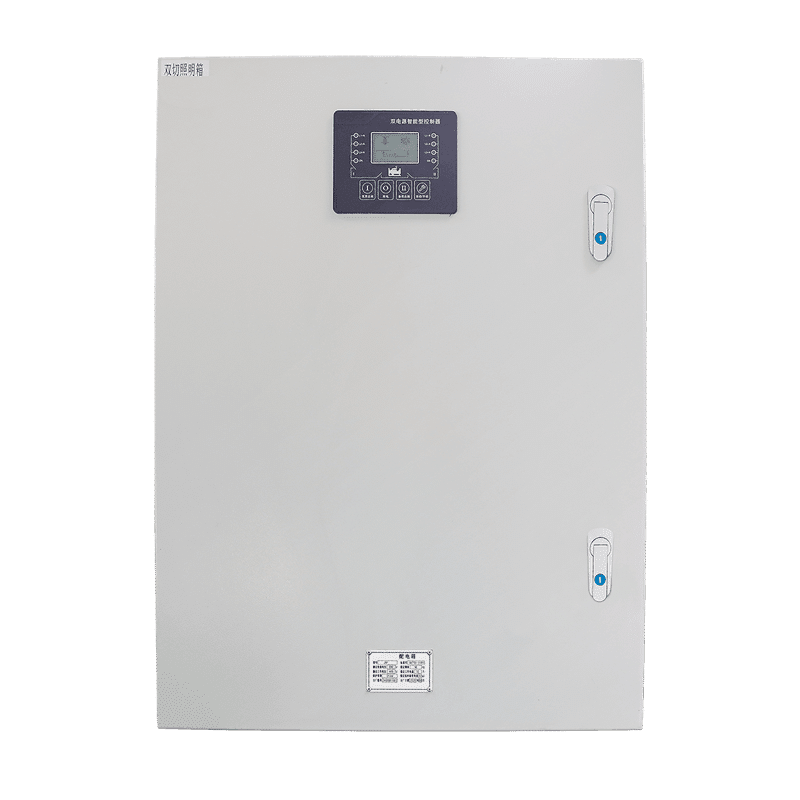
The panel may contain power distribution, pump starters or drives, a PLC or relay controller, signal conditioning, operator controls, alarms, and field terminals. The design should identify which decisions are made by the PLC, which are hardwired interlocks, and which belong to the dosing skid or process system.
For duty/standby pumps, define alternation, lead/lag behavior, failover, manual operation, and alarm reset rules. For flow-proportional dosing, define the source of the flow signal, scaling responsibility, loss-of-signal behavior, and the safe state. These details must be agreed with the process and instrumentation teams.
Pumps, valves, and instrumentation
List each pump, motor, valve, level switch, flow meter, pressure transmitter, analyzer, and local control station. For every device, record the signal type, power requirement, normal state, alarm state, cable route, and interface owner. Do not assume a particular protocol, sensor range, or chemical compatibility from a generic product description.
The panel documentation should include an I/O list, terminal schedule, alarm list, operating sequence, and responsibility matrix. If the dosing equipment supplier provides a local controller, document the handoff between that controller and the main panel.
Enclosure and environmental planning
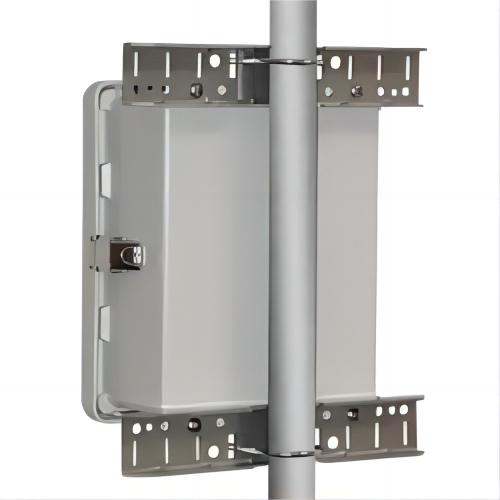
Chemical service can affect enclosure material, hardware, cable glands, ventilation, drainage, and maintenance access. Confirm the atmosphere around the cabinet rather than relying only on the chemical name. The required enclosure protection and corrosion strategy must be selected for the actual site conditions and approved materials.
Do not claim a corrosion rating, IP/NEMA rating, hazardous-location suitability, or chemical compatibility without model-specific and project-specific evidence.
Quotation checklist
Provide the process description, chemical and concentration data, pump and valve schedule, tank and instrument list, I/O list, duty/standby sequence, manual/automatic modes, alarm requirements, incoming power, environment, cable entry, drawings, documentation, and commissioning responsibilities. Identify who supplies the dosing skid, instruments, PLC program, and site testing.
Boundaries of this guide
This article does not calculate dosage, select a chemical pump, certify a treatment result, or promise a completed wastewater project. It describes the information needed to define a control-panel scope responsibly.
ElectricalCabinet.net can use these inputs to route a chemical-dosing enquiry to the appropriate PLC, VFD, water-treatment, and enclosure capabilities after the process requirements are confirmed.
 IT
IT  EN
EN  EN_ZA
EN_ZA  AR
AR  EN_GB
EN_GB  DE
DE  ES
ES  FR
FR  JA
JA  ZH
ZH  TR
TR  RU
RU  EN_CA
EN_CA  EN_AU
EN_AU  NL
NL  PT
PT  FA
FA