







Grado di protezione elettrica IP66
Le custodie elettriche IP66 offrono una protezione affidabile contro oggetti solidi e spruzzi d'acqua.
Che cos'è il grado di protezione IP66?
Le custodie elettriche IP66 sono progettate per fornire una protezione superiore alle apparecchiature elettriche contro la polvere e i potenti getti d'acqua. Queste custodie sono ideali per applicazioni interne ed esterne in cui è necessaria la massima protezione.

Una custodia IP66 per la vostra applicazione
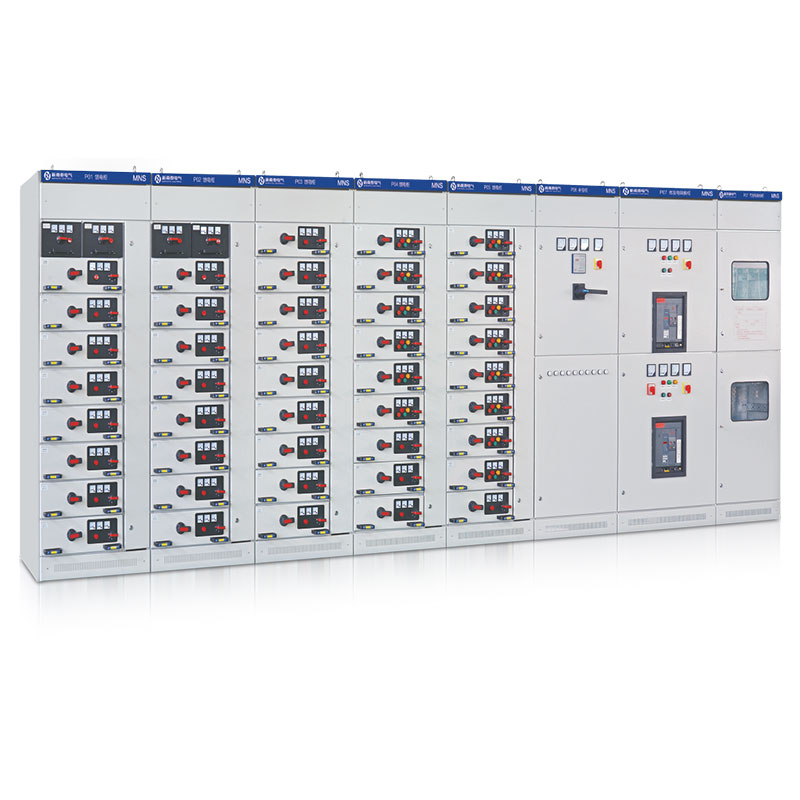
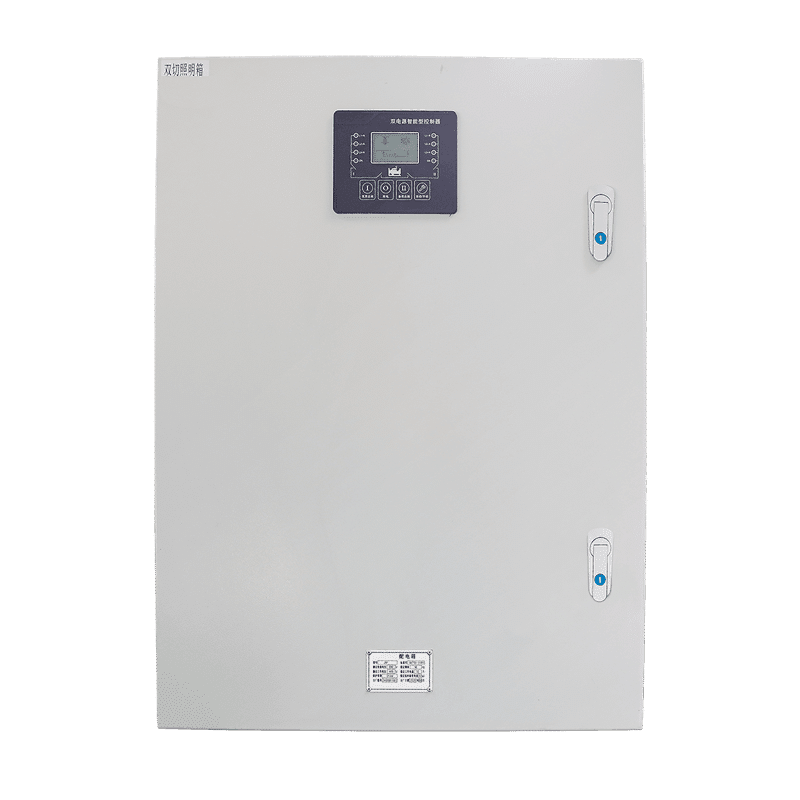
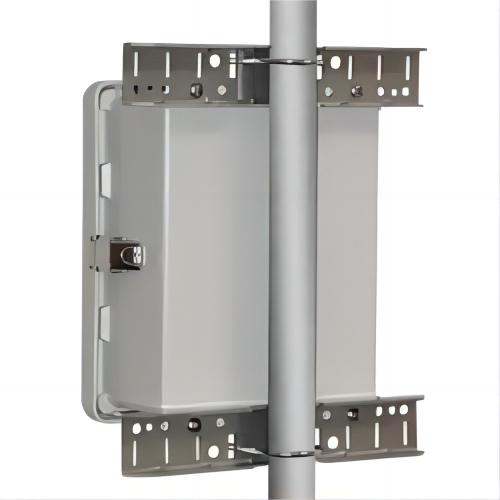
Alcuni dei tipi principali di custodie elettriche IP66 che si possono trovare oggi sul mercato includono:
IP66 electrical enclosures are dust-tight and protected against powerful water jets — the standard specification for equipment that must survive outdoor storms, wash-down hoses, and industrial splash without letting ingress reach live parts. Under IEC 60529, the first digit 6 means no dust enters at all, and the second digit 6 means the enclosure withstands directed high-pressure jetting from any practical angle.
We build IP66 enclosures in steel, stainless, aluminum, and polycarbonate bodies with continuous gasket sealing and tested door designs. ElectricalCabinet has built electrical enclosures since 2010, delivering more than 4,000 projects for industrial clients. Our fabrication covers CNC punching, bending, and welding, with custom cutouts, sizes, and surface finishes built to your drawings. Cable entries, drains, and ventilation are engineered with the enclosure — glands and breathers are where most IP66 installations actually fail, not the box.
Caratteristiche dell'involucro IP66
- Grado di protezione dall'ingresso (IP): Il termine "IP" in IP66 si riferisce alla protezione dall'ingresso, mentre il "66" rappresenta il livello di protezione. La prima cifra, "6", indica la protezione totale dalla polvere. La seconda cifra, "6", indica la resistenza a forti spruzzi d'acqua provenienti da qualsiasi direzione.
- Protezione dalla polvere: Le custodie IP66 offrono una protezione totale dalla polvere, garantendo che la polvere non possa penetrare nell'apparecchiatura racchiusa.
- Protezione dell'acqua: Queste custodie offrono una forte protezione contro i potenti getti d'acqua, rendendole ideali per i luoghi in cui le apparecchiature possono essere sottoposte a un'esposizione prolungata all'acqua o a operazioni di pulizia.
- Costruzione: Queste custodie sono spesso realizzate in materiali robusti come l'acciaio, l'alluminio o la plastica e sono destinate a sopportare condizioni climatiche difficili e a fornire una protezione a lungo termine.
Vantaggi e svantaggi per l'involucro IP66
Vantaggi
- Protezione completa: Garantisce una protezione affidabile contro la polvere e i getti d'acqua, prolungando la vita e il funzionamento delle apparecchiature racchiuse.
- Uso versatile: Ideale per una varietà di applicazioni interne ed esterne in ambienti industriali e commerciali.
- Costruzione resistente: Realizzato con materiali robusti in grado di resistere alle condizioni atmosferiche e di garantire una protezione a lungo termine.
Svantaggi
- Non adatto all'immersione continua: Le custodie IP66 non sono destinate all'immersione continua in acqua.
- Considerazioni sull'installazione: Per mantenere la certificazione IP66 e garantire una protezione completa, è necessaria un'installazione corretta.
Personalizzate il vostro involucro IP66
Le nostre custodie IP66 personalizzate offrono una protezione affidabile contro la polvere e i potenti getti d'acqua, rendendole ideali per applicazioni sia interne che esterne. Scegliete tra un'ampia gamma di dimensioni, materiali e caratteristiche aggiuntive per garantire la protezione delle vostre apparecchiature elettriche in qualsiasi ambiente.
Scoprite come selezionare le dimensioni e il materiale più adatto alle vostre esigenze. Contattateci per maggiori informazioni!
Valutazioni relative alle custodie IP
Involucro elettrico IP44
IP44 Electrical Enclosure Rating IP44 electrical enclosures offer reliable protection against solid objects and water splashes. Get A Quote What is
Involucro elettrico IP55
IP55 Electrical Enclosure Rating IP55 electrical enclosures offer reliable protection against solid objects and water splashes. Get A Quote What
Custodia elettrica IP57
IP57 Electrical Enclosure Rating IP57 electrical enclosures offer reliable protection against solid objects and water splashes. Get A Quote What
Involucro elettrico IP67
Grado di protezione delle custodie elettriche IP67 Le custodie elettriche IP67 sono progettate per fornire il massimo livello di protezione per le apparecchiature elettriche da
Involucro elettrico IP54
Grado di protezione delle custodie elettriche IP54 Le custodie elettriche IP54 offrono una protezione moderata contro gli oggetti solidi e una protezione limitata contro gli spruzzi d'acqua, rendendo le custodie elettriche IP54 un'ottima soluzione.
Involucro elettrico IP68
IP68 Electrical Enclosure Rating IP68 electrical enclosures offer reliable protection against solid objects and water splashes. Get A Quote What
Key Specifications & Options
The configuration below reflects the options we build to order for IP66 electrical enclosures. Every parameter can be adjusted to match your drawings and site conditions — send us your requirements and our engineers will confirm what applies to your project.
| Parametro | Options / Typical Range |
|---|---|
| Rating definition | IEC 60529 IP66: dust-tight plus protected against powerful water jets |
| Material options | Powder-coated carbon steel, 304/316 stainless, aluminum, polycarbonate |
| Sealing system | Continuous foam or silicone gaskets; latched doors with even compression |
| Cable entry | Membrane glands, breather drains, or sealed couplings matched to the rating |
| Condensation control | Drain breathers and anti-condensation heaters for outdoor cycling duty |
| Mounting styles | Wall, floor, flush, free-standing, and pole mounting in IP66 execution |
| Customization | Cutouts, windows, internal hardware, and dimensions to customer drawings |
| Typical applications | Outdoor controls, wash-down areas, pumping stations, street and tunnel equipment |
Domande frequenti
What is the difference between IP65 and IP66?
Both are dust-tight; IP66 adds resistance to powerful water jets rather than just low-pressure spray. If the enclosure will face hose-down cleaning or driving storms, specify IP66; sheltered indoor splash zones are generally served by IP65 at lower cost.
Can an IP66 enclosure be submerged?
No — jet protection is not immersion protection. Applications involving standing water or submersion need IP67 or IP68 designs, which use different sealing and cable-entry strategies. See our IP68 enclosure line for that duty.
Why do IP66 enclosures still get water inside?
Almost always at cable entries and through condensation, not through the door seal. Correctly rated glands, sealed or breathing cable entries, and condensation management keep the inside dry — we specify these together with the enclosure.
Is IP66 equivalent to a NEMA rating?
IP66 corresponds roughly to NEMA 4/4X ingress performance, but the systems are not interchangeable — NEMA adds corrosion and ice criteria. For North American outdoor specs, NEMA 4X is usually the safer call.
Related Guides
- IP Rating vs NEMA Rating: How to Plan Electrical Enclosure Protection — planning protection levels across both rating systems
- IP68 vs IP69 Enclosures: Immersion, High-Pressure Cleaning, and Selection Inputs — when to step up beyond IP66 to immersion-rated designs
- Conformal Coating vs Waterproof Enclosures: What Each Protection Layer Does — how coating and enclosure protection layers combine
- Classificazioni NEMA vs. IP: Qual è la differenza? — plain-language comparison of the two standards
 IT
IT  EN
EN  EN_ZA
EN_ZA  AR
AR  EN_GB
EN_GB  DE
DE  ES
ES  FR
FR  JA
JA  ZH
ZH  TR
TR  RU
RU  EN_CA
EN_CA  EN_AU
EN_AU  NL
NL  PT
PT  FA
FA