

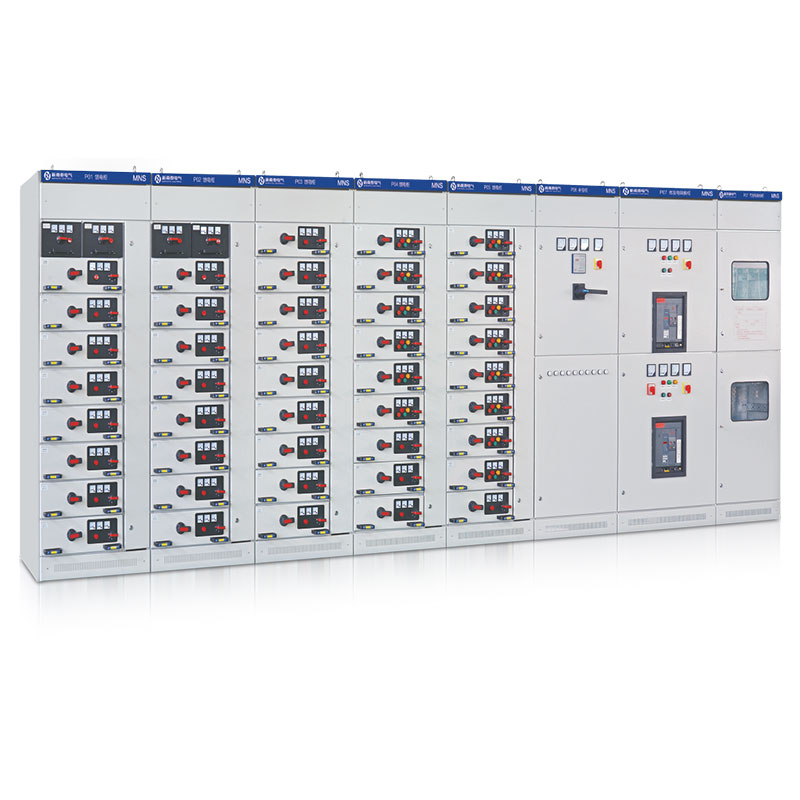


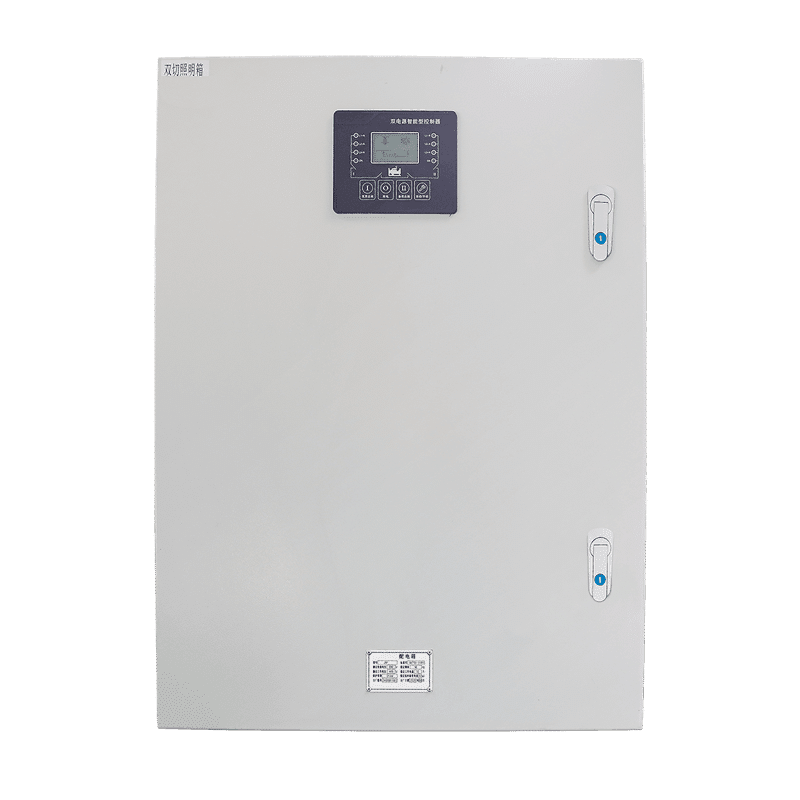


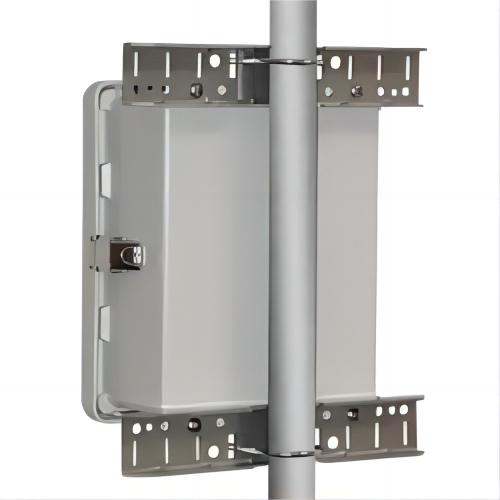


Define fire-safety control enclosure scope using panels, alarms, power, interfaces, environment, access, labeling, testing, and emergency-system documentation. Confirm final ratings, installation, code, safety, testing, and qualified engineering requirements for the project.
Define the enclosure boundary
Record the equipment, signals, power, mounting, cable paths, operating modes, environment, access, maintenance ownership, and interfaces between the enclosure builder, controls integrator, installer, and operator.
Design and selection inputs
| Input | What to document |
|---|---|
| Equipment and layout | Components, clearances, mounting rails, terminals, bus or network paths, working space, and expansion allowance. |
| Environment and protection | Indoor or outdoor exposure, moisture, dust, washdown, corrosion, temperature, cooling, sealing, and grounding. |
| Cable and service access | Entry direction, bend radius, gland plates, labels, isolation, door or swing clearance, replacement sequence, and safe access. |
| Verification and handover | Drawings, parts list, labels, inspection points, test records, manuals, software or settings files, and maintenance notes. |
Review before release
- Separate confirmed project data from assumptions and supplier options.
- Check every equipment, cable, environmental, and service interface.
- Record open decisions and acceptance evidence before fabrication.
Do not copy competitor certification, rating, safety, or performance claims without evidence for the actual project.
 DE
DE  EN
EN  EN_ZA
EN_ZA  AR
AR  EN_GB
EN_GB  ES
ES  FR
FR  IT
IT  JA
JA  ZH
ZH  TR
TR  RU
RU  EN_CA
EN_CA  EN_AU
EN_AU  NL
NL  PT
PT  FA
FA