

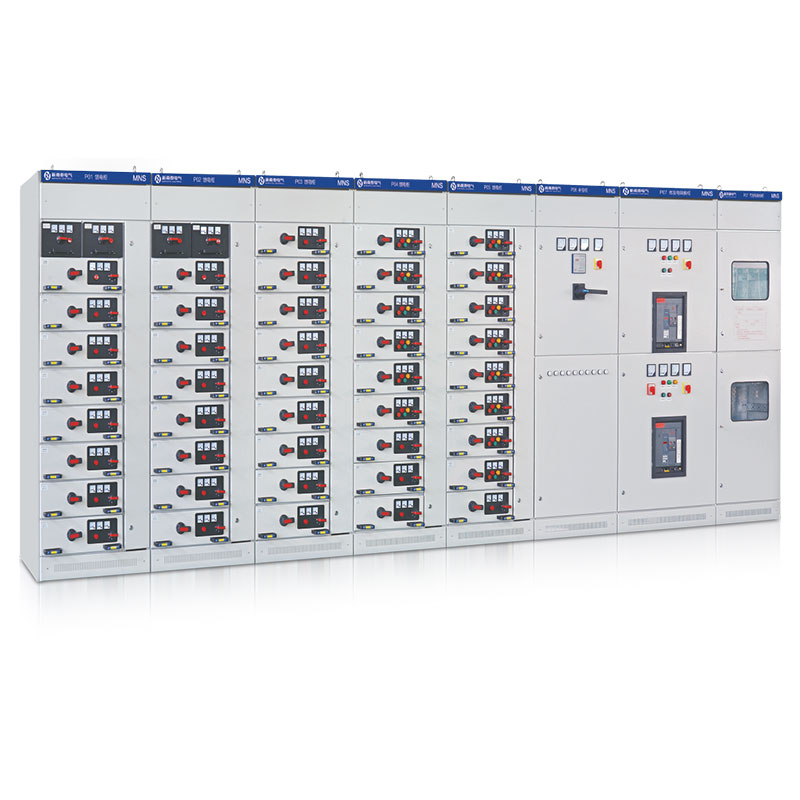


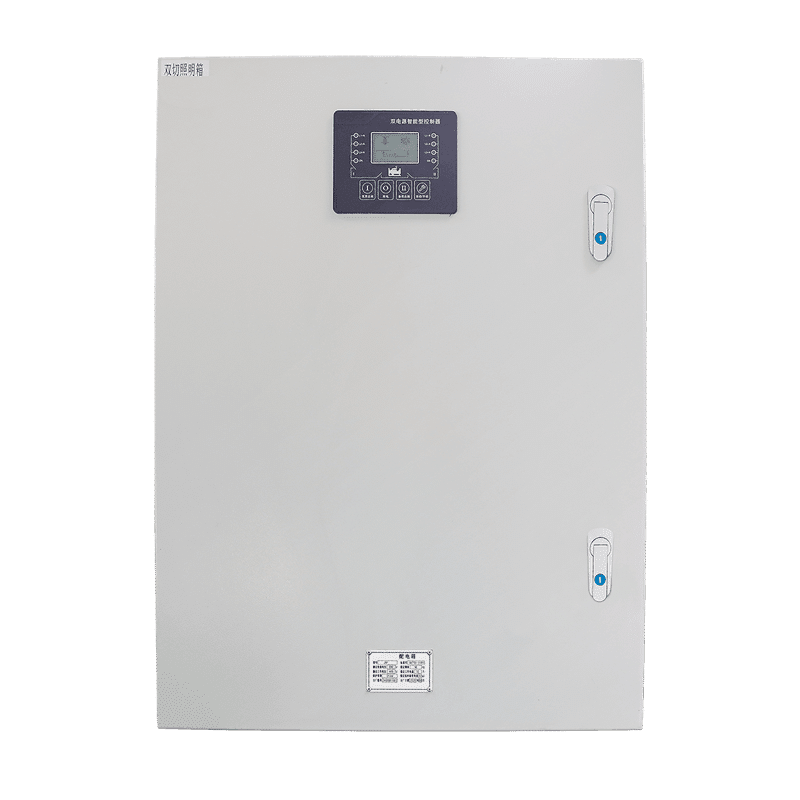


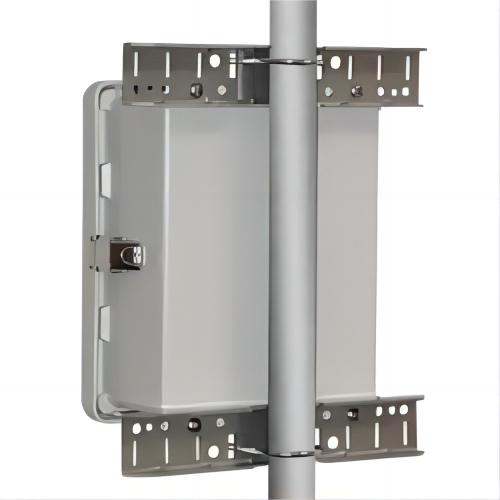


A packaged substation should be selected from project inputs, not from a product name alone. A compact or prefabricated arrangement can combine several distribution functions in one coordinated assembly, but the actual configuration depends on the network, load, installation location and applicable specification.
This guide is a pre-selection framework. It helps project teams define the information a manufacturer needs before assessing a box-type, prefabricated or opening-and-closing-station solution.
Important: This article is not a protection study, interconnection design or approved construction document. Final design and equipment selection must be confirmed against the project single-line diagram, local requirements and the documentation for the quoted equipment.
Define the electrical system before comparing products
The first input is the electrical distribution context. A request should identify the incoming supply, the intended outgoing distribution, the load characteristics and the continuity requirements for the facility. The project team should also identify whether the equipment is part of a new installation, an extension, a replacement or a temporary arrangement.
Useful pre-selection inputs include:
- Preliminary or approved single-line diagram.
- System voltage and frequency for the actual installation.
- Load schedule, expected demand and future expansion assumptions.
- Incoming and outgoing feeder requirements.
- Protection, metering, control and communication requirements.
- Customer, utility and local authority specifications.
Without these inputs, it is difficult to determine whether two products that look similar on a website are electrically or physically interchangeable.
Establish the functional scope of the packaged assembly
“Packaged substation” can describe different assemblies. Depending on the project, the scope may include a transformer, medium-voltage distribution equipment, low-voltage distribution equipment, protection and metering functions, enclosure systems and auxiliary circuits. The final scope should be stated in the request, rather than assumed from an image or a general application list.
At the early stage, the project team should separate three questions:
– Which electrical functions must be contained in the assembly? – Which functions are supplied elsewhere in the installation? – Which interfaces must be provided for cables, control systems, metering or remote monitoring?
This separation creates a clearer basis for product selection and quotation review.
Review site and installation constraints
The installation environment affects both the equipment construction and the project work around it. Confirm whether the proposed location is indoors or outdoors, the available footprint, access routes, lifting constraints, cable entry arrangement, drainage considerations and the required maintenance access.
Environmental conditions also need to be defined rather than inferred. Examples include ambient conditions, dust, humidity, corrosive exposure, solar exposure, altitude and site-specific safety requirements. A stated NEMA/IP rating, noise value or corrosion performance should only be used when it is confirmed for the selected model and configuration.
Plan for maintenance and future changes
Equipment access is a design input, not an afterthought. Before finalizing a package, consider how the assembly will be isolated, inspected, maintained and, where required, expanded. The project may need reserved feeder positions, a planned extension path or a shutdown strategy that affects the arrangement.
These considerations should be coordinated with the actual product documentation. A general guide cannot establish a safe maintenance procedure or confirm the expansion capability of a particular line-up.
Turn the design discussion into a clear request
A practical request package can contain the following:
| Topic | Information to provide |
|---|---|
| Electrical system | Single-line diagram, voltage/frequency, load schedule and feeder list |
| Functional scope | Transformer, MV/LV distribution, protection, metering and auxiliary requirements |
| Site | Installation location, footprint, access, cable route and environmental conditions |
| Operations | Maintenance responsibility, outage constraints and future expansion plans |
| Compliance | Utility, customer and local requirements that apply to the specific project |
The manufacturer can then assess a configuration against the actual requirement instead of treating a generic product page as a complete design basis.
Related product options
Explore our Subestação do tipo caixa YBM(P), Subestação americana pré-fabricada ZGS e HWG Box Type Opening and Closing Station.
When requesting a product review, include the project inputs above. Final equipment values, interfaces and compliance requirements should be confirmed for the quoted model.
Frequently asked questions
Is a packaged substation the same as every compact substation?
No. The term can cover different product arrangements. Compare the actual electrical functions, interfaces and project requirements rather than relying on the name alone.
Can this guide determine the required capacity or protection settings?
No. Capacity, protection and fault-duty requirements must be established from the project documentation and reviewed for the specific equipment configuration.
What should be sent with an inquiry?
At minimum, provide the single-line diagram or preliminary system description, installation conditions, load/feeder requirements and the relevant customer or local specifications.
Separate package boundaries from equipment names
A packaged substation can combine several equipment sections, but the word package does not define which functions, interfaces, documents, or site responsibilities are included. The inquiry should identify the transformer arrangement, switchgear or control sections, cable interfaces, protection and metering requirements, transport constraints, and the boundary between supplier and installer.
Package review checklist
- Confirm the equipment included and excluded from the package.
- List incoming, outgoing, auxiliary, monitoring, and communication interfaces.
- Define lifting, access, foundation, cable-entry, and installation assumptions.
- Request drawings and inspection documents matched to the final configuration.
For related alternatives, compare this planning approach with the prefabricated substation selection guide after that Draft is approved for publication.
 PT
PT  EN
EN  EN_ZA
EN_ZA  AR
AR  EN_GB
EN_GB  DE
DE  ES
ES  FR
FR  IT
IT  JA
JA  ZH
ZH  TR
TR  RU
RU  EN_CA
EN_CA  EN_AU
EN_AU  NL
NL  FA
FA