

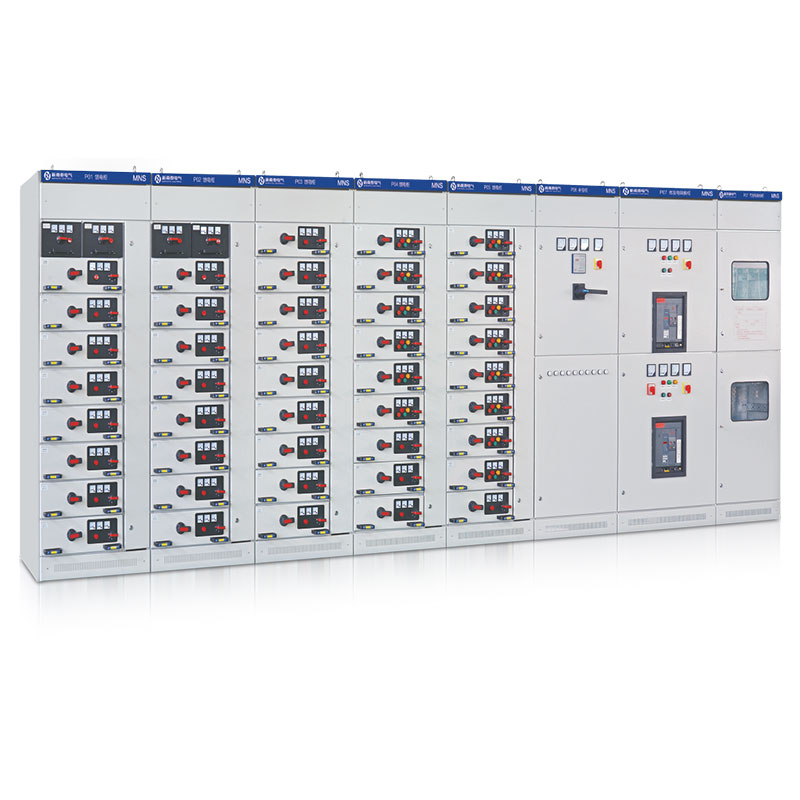


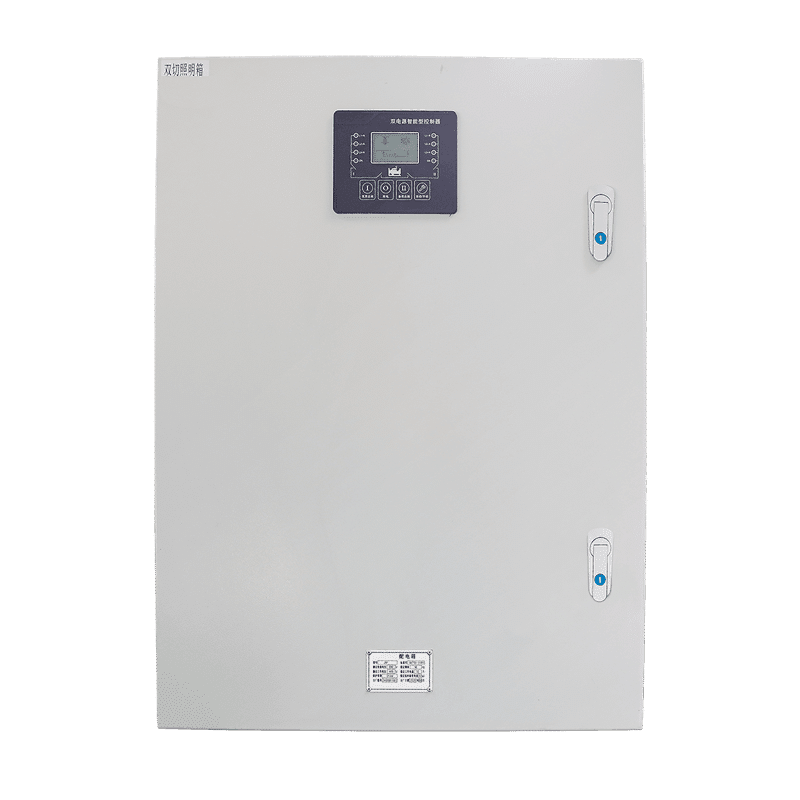


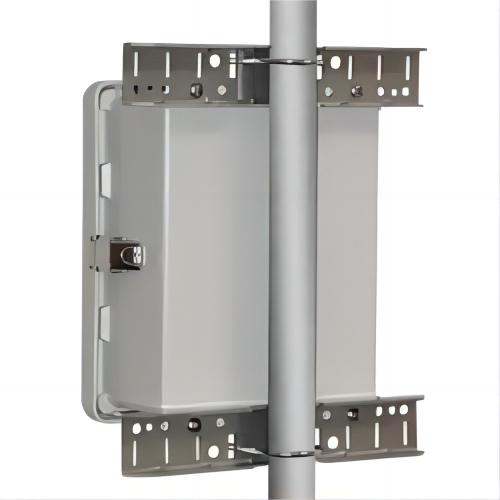


Electrical enclosure material selection should begin with the installation environment, equipment, access requirements, and documentation scope. Stainless steel, painted steel, aluminum, and non-metallic materials can each be suitable in different conditions, but a material name alone does not establish corrosion performance, enclosure rating, strength, or certification.
This guide helps organize a material-selection discussion. The final material, finish, hardware, and rating must be confirmed against the selected model and project requirements.
Start with the environment
The enclosure material should be evaluated against the conditions it will actually face. Describe whether the cabinet is indoors or outdoors and identify the exposure that could affect the enclosure or its hardware.
Review:
- rain, dripping water, washdown, dust, and condensation;
- chemicals, salt, humidity, and corrosive atmospheres;
- temperature range, sunlight, and heat-producing equipment;
- vibration, impact, transport, and maintenance activity; and
- cleaning methods, access frequency, and expected service life.
The environment helps narrow the material choice, but it does not replace a separate NEMA or IP classification review.
Common enclosure material options
Painted or coated steel
Painted or coated steel is commonly considered when a rigid enclosure and a defined finish are required. The specification should identify the intended environment, coating system, surface preparation, hardware, and any corrosion concerns. Do not assume that a generic painted finish is suitable for every outdoor or chemical exposure.
Stainless steel
Stainless steel may be considered where corrosion resistance, cleanability, or a robust cabinet construction is important. The applicable grade, finish, hardware, fabrication method, and environment still need to be confirmed. “Stainless steel” by itself is not a complete material specification.
Aluminum
Aluminum can be useful where low weight, corrosion considerations, or a particular fabrication approach matters. The design review should address mechanical strength, joining, finish, galvanic interactions, mounting, and the equipment installed inside.
Non-metallic materials
Non-metallic enclosures may be considered for particular electrical, chemical, weight, or installation requirements. Confirm the material’s mechanical, thermal, UV, chemical, and fire-performance information for the selected model. Do not generalize from a plastic enclosure used in a different application.
Material is only one selection variable
The material should be selected together with the enclosure construction and equipment requirements.
| Selection variable | Questions to define |
|---|---|
| Environment | What exposure, contamination, moisture, chemicals, and temperature apply? |
| Construction | What dimensions, doors, windows, mounting plate, hardware, and access are required? |
| Finish | What coating, surface finish, color, or cleanability requirement applies? |
| Installation | Is the cabinet wall-, floor-, machine-, or skid-mounted? |
| Cable entry | How will conduits, glands, cables, and drain or vent arrangements be handled? |
| Internal equipment | What devices, heat sources, clearances, and maintenance tasks must fit? |
| Rating | Which NEMA or IP classification is required and documented for the exact model? |
This prevents a common mistake: choosing a material first and discovering later that the doors, cable entries, mounting arrangement, or internal heat conditions do not fit the application.
Match the material to the equipment and maintenance plan
The cabinet must support the equipment installed inside and the work required to operate and maintain it. Review the mounting plate, device clearances, door swing, cable routing, terminal access, labels, and service space. If a drive, transformer, power supply, or other heat-producing device is installed, use the actual equipment documentation to review thermal conditions.
Material selection should also consider replacement parts, fasteners, hinges, locks, seals, and field modifications. A suitable panel can lose its intended environmental protection if doors, glands, windows, or penetrations are changed without review.
Questions to include in a quotation request
Provide the supplier with:
- indoor or outdoor location and environmental exposure;
- preferred or required material and finish, if known;
- dimensions, mounting method, access, and cable-entry direction;
- equipment list, heat information, and maintenance clearances;
- required NEMA or IP classification and project documents;
- corrosion, cleaning, UV, or chemical-resistance requirements; and
- drawings, labels, inspection records, and responsibility boundaries.
Ask the supplier to identify assumptions and to provide evidence for any rating, finish, material, or compliance claim.
Avoid material-selection shortcuts
– Do not equate stainless steel with every form of corrosion resistance. – Do not treat aluminum or non-metallic material as automatically suitable for an outdoor site. – Do not infer a NEMA or IP rating from material alone. – Do not assume a product image proves dimensions, construction, or certification. – Do not describe an enclosure as a customer case study without project evidence.
For rating context, see the NEMA 3R enclosure rating guide e NEMA 3R vs NEMA 4 vs NEMA 12 comparison. For broader product organization, review the industrial electrical enclosure Page.
Final selection review
The best enclosure material is the one that fits the environment, equipment, construction, maintenance plan, and documented project requirements together. Treat the material as one part of a complete enclosure specification, and verify the final model and evidence before approval.
 PT
PT  EN
EN  EN_ZA
EN_ZA  AR
AR  EN_GB
EN_GB  DE
DE  ES
ES  FR
FR  IT
IT  JA
JA  ZH
ZH  TR
TR  RU
RU  EN_CA
EN_CA  EN_AU
EN_AU  NL
NL  FA
FA