

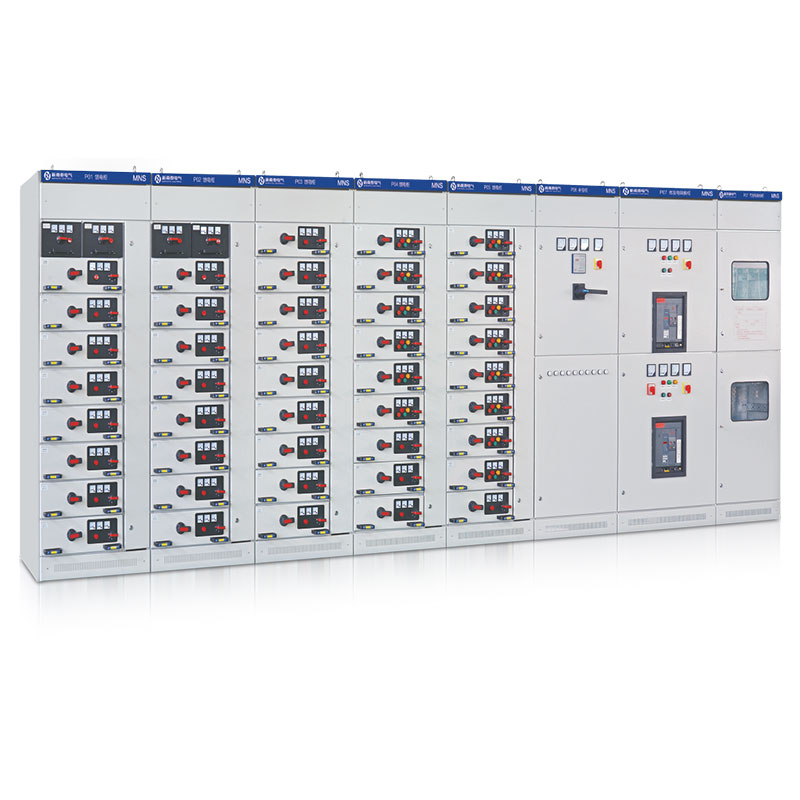


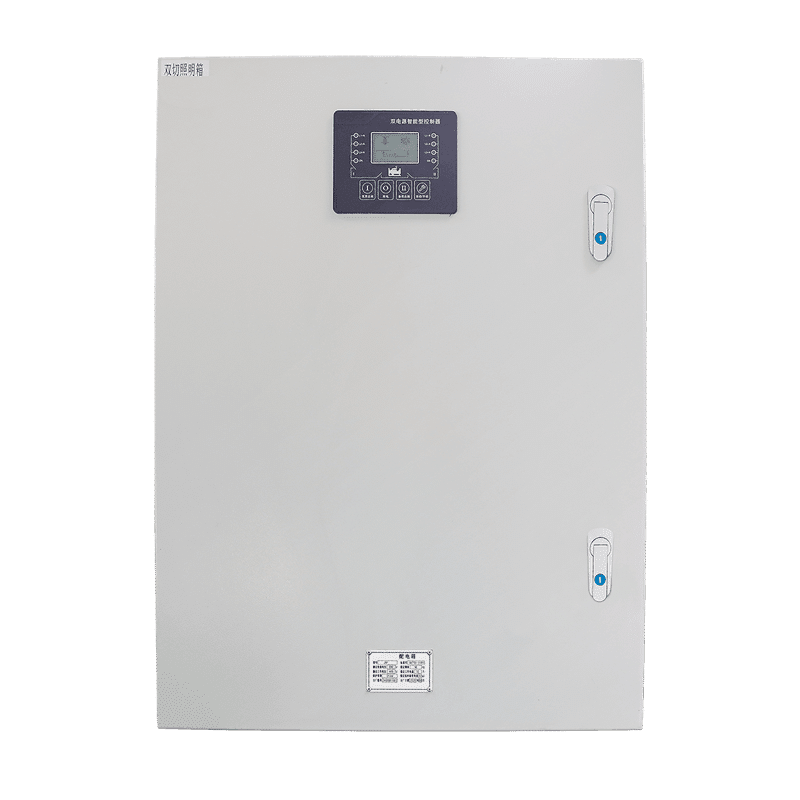


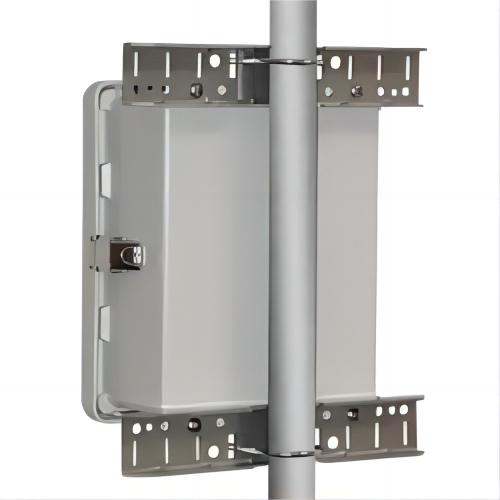


Why IP and NEMA are not interchangeable labels
IP and NEMA describe enclosure protection using different classification systems and test approaches. An IP code generally identifies protection against solids and water using two digits. A NEMA type describes a broader enclosure performance context, which may include environmental conditions, construction, and corrosion considerations. A simple one-to-one conversion should not be used as a design approval.
Start with the installation environment
Record whether the enclosure is indoors or outdoors and whether it may encounter dust, rain, hose-directed water, oil, coolant, salt, corrosive gases, condensation, or hazardous conditions. Also record mounting, cable entry, door access, drainage, and maintenance. The environment determines which rating and construction requirements need to be investigated.
| Input | Why it matters |
|---|---|
| Solid contaminants | Determines dust and particle protection needs |
| Water exposure | Distinguishes rain, dripping, spray, washdown, and immersion conditions |
| Corrosion | May require material, finish, or hardware changes |
| Indoor/outdoor location | Changes temperature, solar, rain, and condensation risk |
| Cable entries and vents | Field openings can change the configured assembly |
| Hazardous area | Requires a separate equipment and compliance review |
How to use ratings responsibly
Use the applicable standard and the selected manufacturer’s documentation for the project. Check the complete assembly, including doors, gaskets, windows, vents, cooling equipment, cable glands, mounting, and field modifications. A rating printed on an enclosure page does not automatically apply after drilling or adding accessories.
Do not claim that one IP code is universally equivalent to one NEMA type. If a specification requires both systems, document each requirement and ask the supplier to confirm the tested configuration.
Selection checklist
- Describe the actual exposure rather than starting with a preferred label.
- Identify materials, finish, seals, hardware, vents, and cable-entry details.
- Confirm the complete configured assembly and installation orientation.
- Check maintenance, drainage, condensation, and replacement requirements.
- Record the evidence source for every rating or certification claim.
ElectricalCabinet.net can use these inputs to route an enclosure enquiry to the appropriate NEMA, IP, outdoor, material, and cooling options.
 FR
FR  EN
EN  EN_ZA
EN_ZA  AR
AR  EN_GB
EN_GB  DE
DE  ES
ES  IT
IT  JA
JA  ZH
ZH  TR
TR  RU
RU  EN_CA
EN_CA  EN_AU
EN_AU  NL
NL  PT
PT  FA
FA