

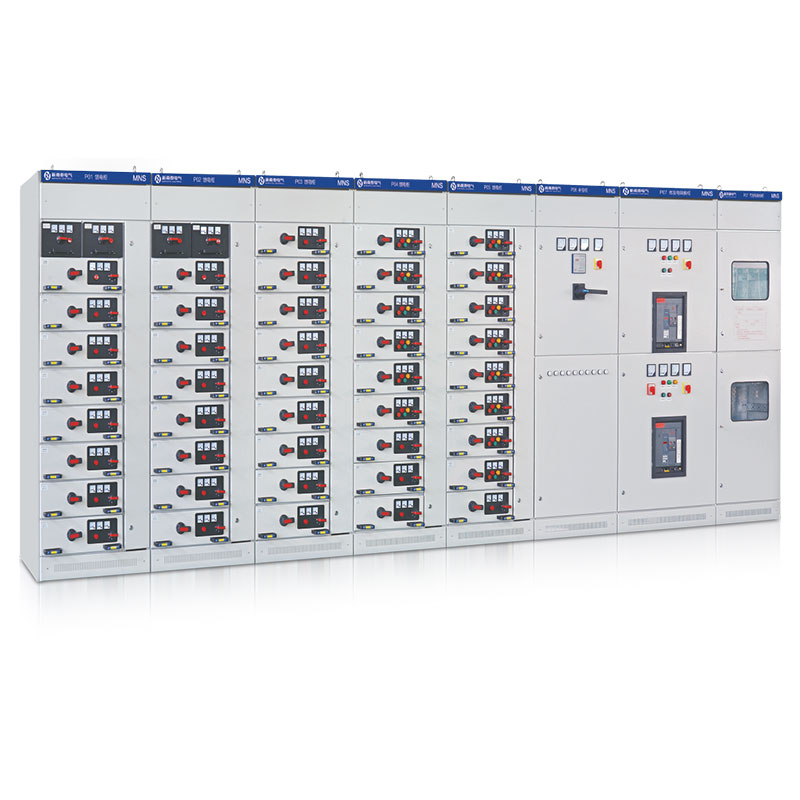


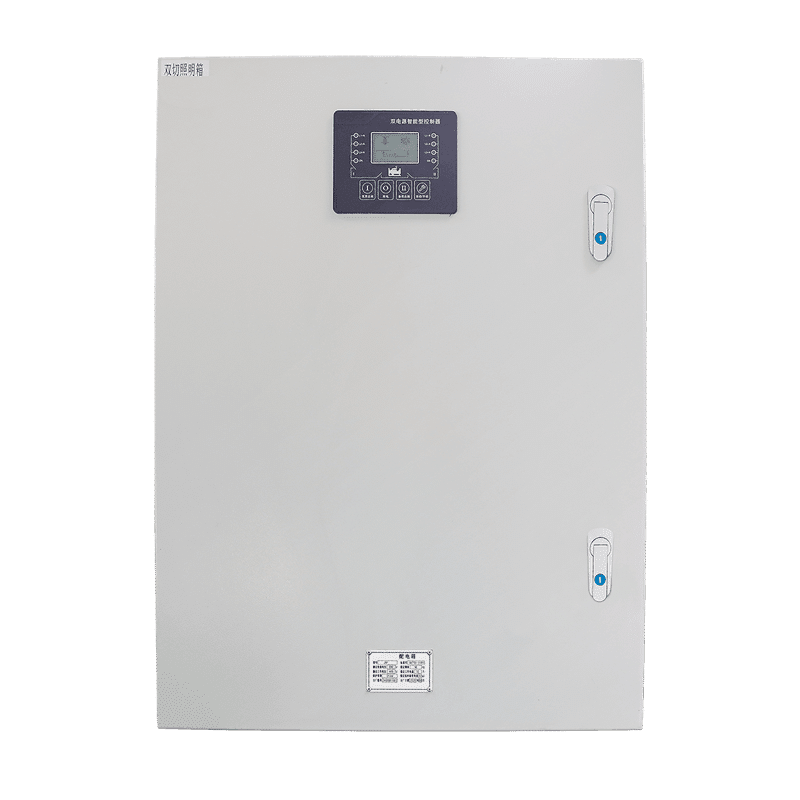


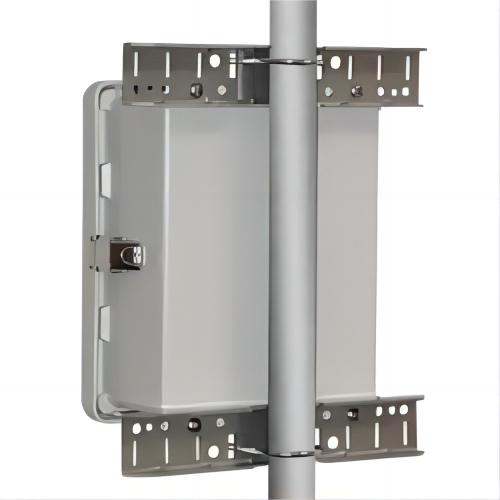


Floor-Standing Switchgear Enclosures: Layout and Selection
Select floor-standing switchgear enclosures using equipment layout, bus and cable interfaces, working clearances, access, ventilation, environment, and service planning.

Select floor-standing switchgear enclosures using equipment layout, bus and cable interfaces, working clearances, access, ventilation, environment, and service planning.
Use ANSI air-insulated switchgear terminology carefully by documenting system ratings, equipment scope, protection, enclosure, testing, supplier evidence, and project responsibility.
Plan metal-enclosed air-insulated switchgear using compartment boundaries, bus and cable interfaces, access, protection, ventilation, grounding, maintenance, and evidence.
Explain EMI and EMC boundaries for electrical enclosures using sources, coupling paths, bonding, cable entry, segregation, grounding, testing, and records.
Plan distribution transformer inputs for three-phase unbalanced loads using load data, phase balance, connections, heat, enclosure, monitoring, and engineering evidence.
Plan membrane cable-gland use using cable count, diameter, entry layout, sealing, strain relief, serviceability, and environment inputs.
Evaluate outdoor plastic junction boxes by UV, impact, temperature, cable entry, mounting, sealing, and maintenance conditions.
Clarify metal versus steel enclosure terminology and compare material, finish, corrosion, weight, and fabrication inputs.
Plan gas-insulated switchgear installation using site readiness, equipment handling, interfaces, grounding, testing, safety boundaries, and handover records.
Plan polycarbonate enclosures with clear lids using visibility, impact, UV exposure, sealing, mounting, thermal conditions, cable entry, and access.
 FR
FR  EN
EN  EN_ZA
EN_ZA  AR
AR  EN_GB
EN_GB  DE
DE  ES
ES  IT
IT  JA
JA  ZH
ZH  TR
TR  RU
RU  EN_CA
EN_CA  EN_AU
EN_AU  NL
NL  PT
PT  FA
FA