







Food processing control panels must connect production equipment, instruments, operators, and plant power while fitting the hygiene and washdown conditions of the site. The first specification step is not choosing a PLC brand. It is recording the process, environment, interfaces, and documentation that the panel builder must own.
What the SERP indicates
Results for food processing control panel are mainly industrial control-panel providers and application pages. They discuss process equipment, washdown environments, operator interfaces, and panel integration. This supports an application article, but it does not prove that any supplier has a particular sanitation certification or that every food plant uses the same enclosure.
Start with the process boundary
Record the equipment controlled by the panel: conveyors, mixers, pumps, ovens, fillers, packaging machines, refrigeration auxiliaries, or cleaning systems. For each machine, identify start/stop commands, speed references, permissives, alarms, feedback signals, and the party responsible for the machine safety circuit.
The panel brief should also state whether the system is a standalone machine panel, a line-level control panel, or a plant-area panel. Mixing these levels creates unclear I/O counts and commissioning responsibilities.
Environment and hygienic constraints
Ask for the actual cleaning method rather than assuming a rating from the industry name. Document water exposure, detergents, temperature, dust, condensation, corrosive agents, indoor/outdoor location, mounting method, and access frequency. These inputs affect enclosure material, door hardware, seals, cable entries, drainage, ventilation, and service access.
Do not claim a specific NEMA, IP, hygienic-design, or washdown compliance level until the selected enclosure and project specification have been reviewed. A food-processing application can contain both dry production areas and wet washdown areas.
Control and instrumentation inputs
Create an I/O schedule before selecting the panel layout. Include digital inputs and outputs, analog signals, motor starters or drives, valve solenoids, temperature and pressure instruments, level switches, network devices, and local operator controls. Mark signals that are safety-related or supplied by another machine vendor so they are not silently included in the standard control scope.
A practical quotation checklist
- Process description and sequence of operation.
- Equipment list and interface responsibility matrix.
- I/O list, network requirements, and spare capacity target.
- Voltage, fault, grounding, and available power information.
- Cleaning, temperature, dust, corrosion, and condensation conditions.
- Enclosure material, access, cable-entry, and mounting constraints.
- Drawings, labels, test records, manuals, and change-control requirements.
How an application page should use product evidence
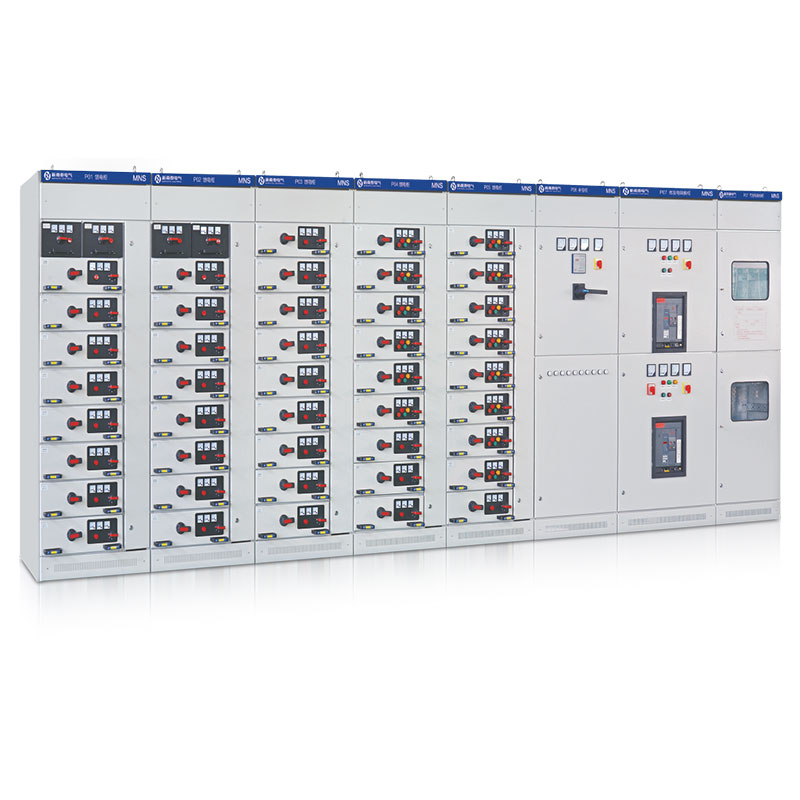
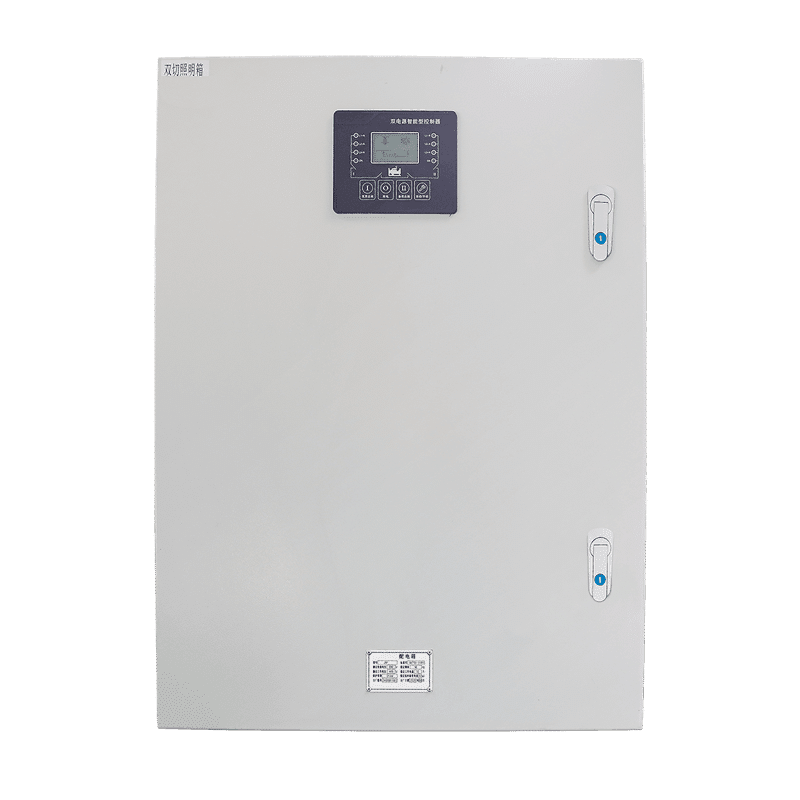
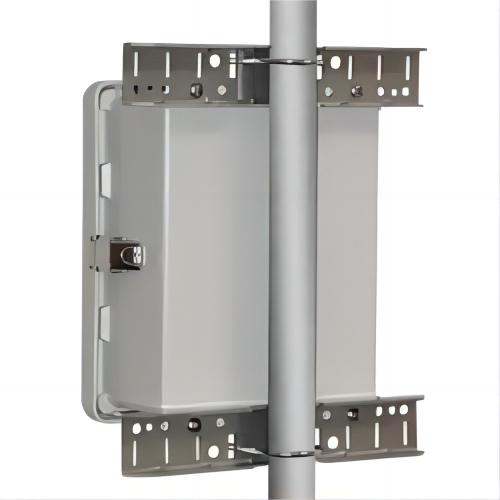
Use verified cabinet and control-panel images to illustrate layout, cable entry, operator access, or component grouping. Label them as product or application examples unless a documented customer project supports a case-study claim. Link the article to the relevant control-panel and enclosure pages, while keeping commercial product specifications on those pages.
The correct outcome is a traceable food-processing control-panel brief. It should make process, hygiene, electrical, and documentation assumptions visible before engineering begins.
 DE
DE  EN
EN  EN_ZA
EN_ZA  AR
AR  EN_GB
EN_GB  ES
ES  FR
FR  IT
IT  JA
JA  ZH
ZH  TR
TR  RU
RU  EN_CA
EN_CA  EN_AU
EN_AU  NL
NL  PT
PT  FA
FA