

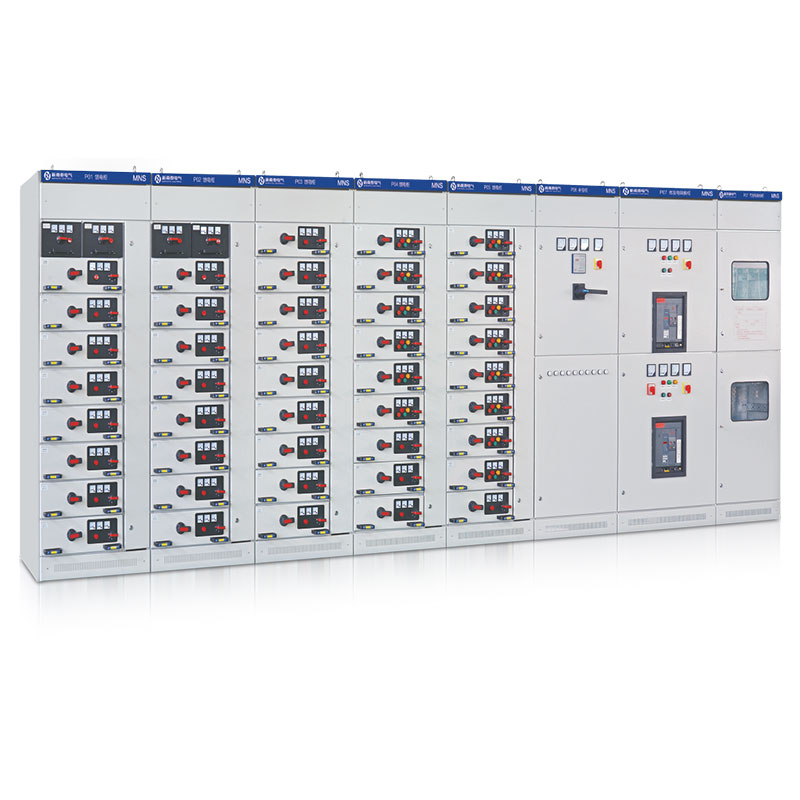


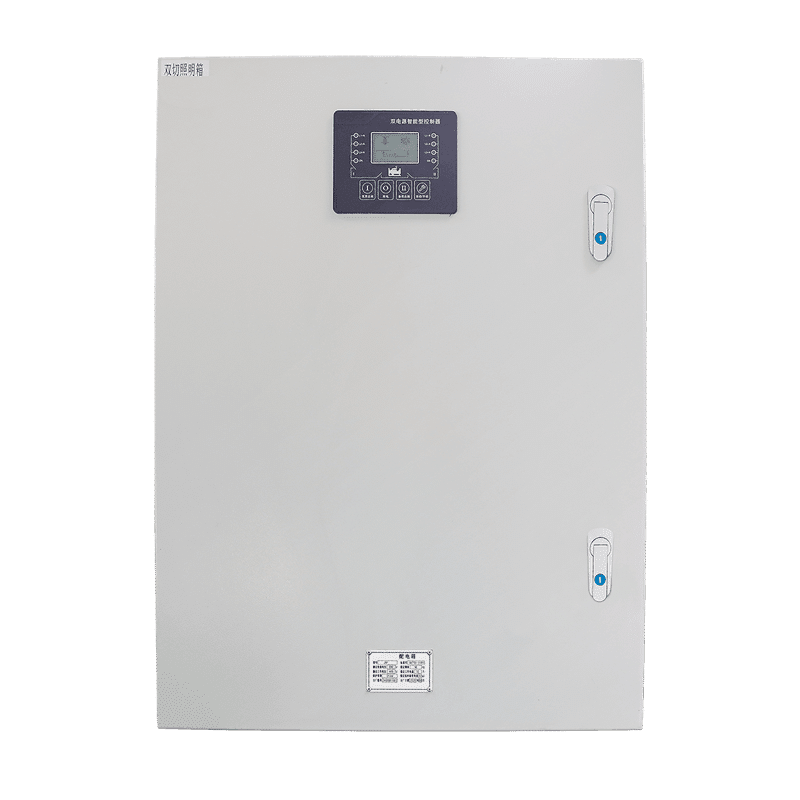


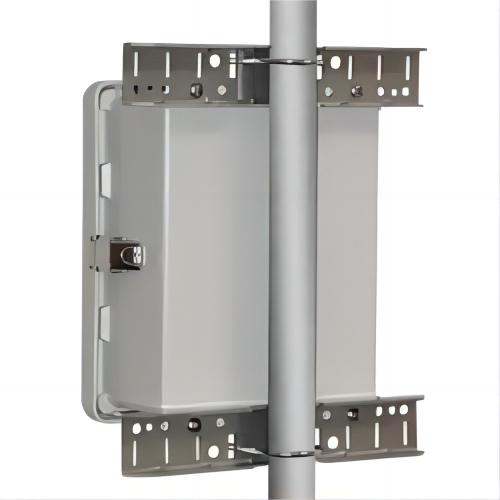


Data-center power distribution cabinets connect upstream electrical systems to racks, IT equipment, monitoring, and service operations. The cabinet specification must begin with the power architecture and maintenance model, then address heat, cable routing, access, and monitoring.
Search intent and SERP evidence
The SERP for data center power distribution cabinet includes PDU suppliers, power-distribution manufacturers, and data-center infrastructure guides. This supports an application and planning article. It does not justify claiming a particular redundancy level, uptime tier, PDU rating, or data-center certification without project documentation.
Define the distribution role
State whether the cabinet is a floor-standing PDU, a cabinet-level distribution unit, an electrical room distribution cabinet, or an enclosure for monitoring and auxiliary controls. Record the upstream source, downstream circuits, phase arrangement, voltage, load profile, future capacity, bypass or maintenance requirements, and metering needs.
Redundancy should be described from the project one-line and operating model. Do not infer A/B feeds or tier performance from the cabinet name.
Rack, cable, and service inputs
List rack groups, circuit count, connector requirements, cable types, entry direction, bend radius, labeling, and segregation. Document front/rear access, service clearances, doors, removable panels, and the sequence for maintenance or expansion. Cable management is part of the cabinet design because congestion can affect installation, heat, and future changes.
Heat and environment
Record cabinet losses, connected equipment heat, room temperature, airflow direction, humidity, condensation risk, dust, and fire-protection constraints supplied by the facility team. Select cooling, ventilation, blanking, and monitoring from the actual heat load and room design. Do not promise a cooling method or thermal performance without calculations and product data.
Monitoring and documentation
Define current, voltage, energy, breaker status, alarms, temperature, network protocol, and the monitoring system owner. Request the one-line, load schedule, panel schedule, cable plan, communication map, labels, test records, maintenance instructions, and as-built revision process.
Buyer checklist
- Distribution role, upstream source, downstream circuits, and load schedule.
- Phase, voltage, grounding, protection, metering, and future capacity.
- Rack/cable layout, access, bend radius, labeling, and segregation.
- Heat load, room environment, airflow, condensation, and maintenance.
- Monitoring points, protocol, alarms, and system ownership.
- Drawings, test records, manuals, and change-control requirements.
Use verified cabinet photos as design examples. A photo cannot prove a data-center deployment, redundancy tier, uptime result, or certification.
 DE
DE  EN
EN  EN_ZA
EN_ZA  AR
AR  EN_GB
EN_GB  ES
ES  FR
FR  IT
IT  JA
JA  ZH
ZH  TR
TR  RU
RU  EN_CA
EN_CA  EN_AU
EN_AU  NL
NL  PT
PT  FA
FA