







IP66 电气外壳等级
IP66 电气外壳可提供可靠的保护,防止固体物体和水的飞溅。
什么是 IP66 防护等级?
IP66 电气柜的设计可为电气设备提供出色的保护,防止灰尘和强力水柱的侵袭。这些外壳非常适合需要最大限度保护的室内和室外应用。

适合您应用的 IP66 防护外壳
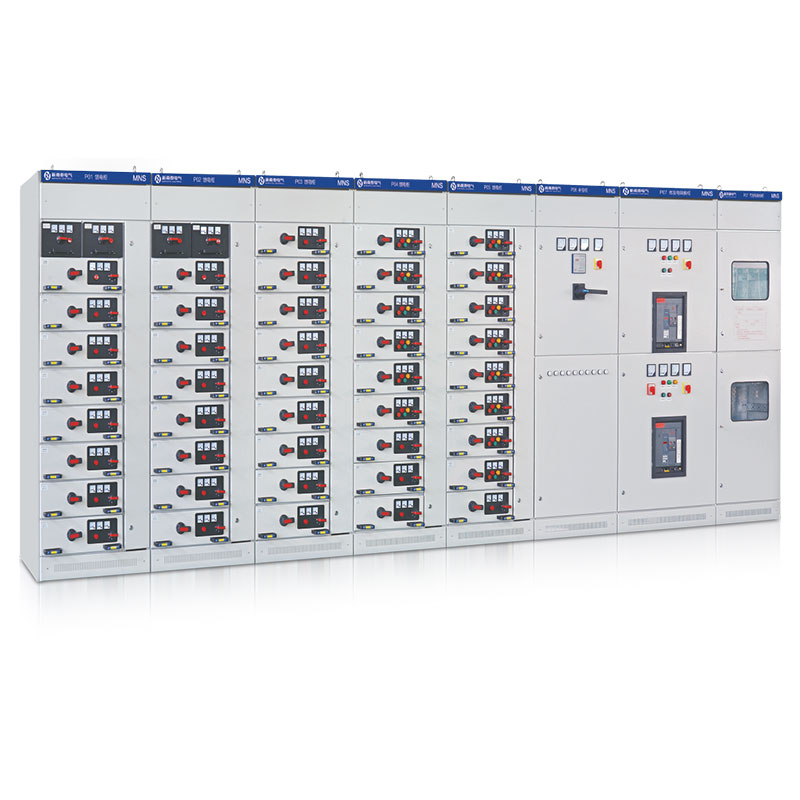
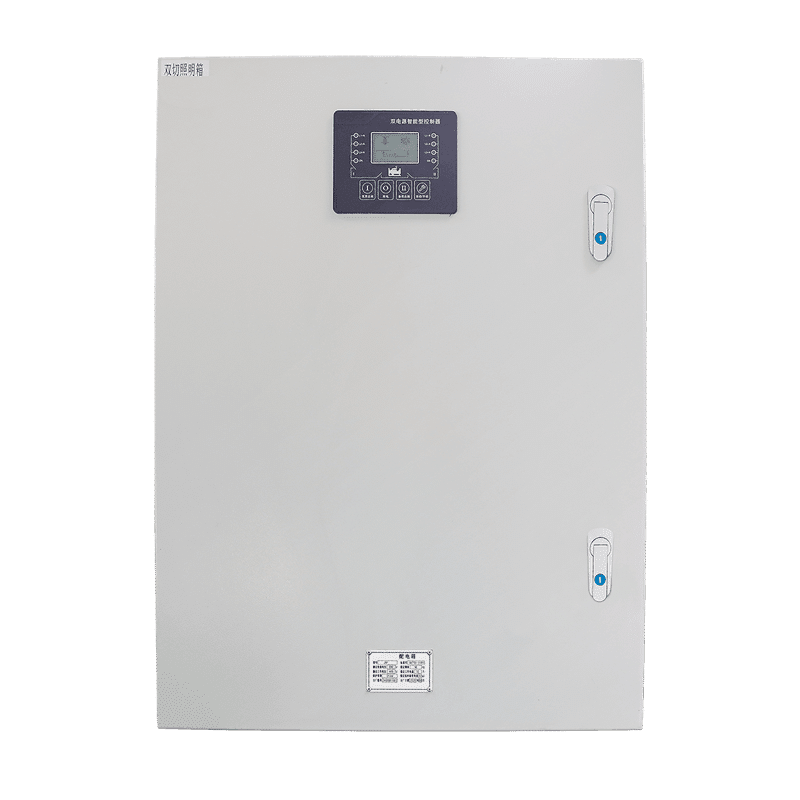
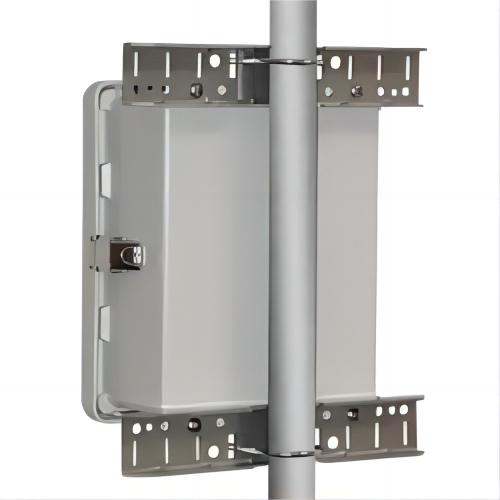
目前市场上 IP66 电气外壳的一些基本类型包括
IP66 electrical enclosures are dust-tight and protected against powerful water jets — the standard specification for equipment that must survive outdoor storms, wash-down hoses, and industrial splash without letting ingress reach live parts. Under IEC 60529, the first digit 6 means no dust enters at all, and the second digit 6 means the enclosure withstands directed high-pressure jetting from any practical angle.
We build IP66 enclosures in steel, stainless, aluminum, and polycarbonate bodies with continuous gasket sealing and tested door designs. ElectricalCabinet has built electrical enclosures since 2010, delivering more than 4,000 projects for industrial clients. Our fabrication covers CNC punching, bending, and welding, with custom cutouts, sizes, and surface finishes built to your drawings. Cable entries, drains, and ventilation are engineered with the enclosure — glands and breathers are where most IP66 installations actually fail, not the box.
IP66 防护等级的特点
- 防护等级 (IP) IP66 中的 "IP "指入侵保护,而 "66 "则代表保护级别。第一个数字 "6 "表示完全防尘。第二位数字 "6 "表示可抵御来自任何方向的强力喷水。
- 防尘保护: IP66 机柜提供全面防尘保护,确保灰尘无法进入封闭的设备。
- 水资源保护: 这些外壳可提供强大的保护,防止强大的水柱喷射,因此非常适合设备可能长期暴露在水中或进行清洁操作的场所。
- 建筑: 这些外壳通常由钢、铝或塑料等坚固材料制成,旨在承受恶劣的气候条件,同时提供长期保护。
IP66 防护等级的优缺点
优势
- 全面保护: 为灰尘和强力水柱提供可靠的保护,延长封闭设备的使用寿命和功能。
- 用途广泛: 是工业和商业环境中各种室内和室外应用的理想选择。
- 耐用的结构 采用坚固的材料制成,能经受住天气条件的考验,提供长期保护。
缺点
- 不适合连续浸泡: IP66 机柜不适合连续浸水。
- 安装注意事项 需要正确安装,以保持 IP66 认证并提供全面保护。
定制您的 IP66 防护外壳
我们定制的 IP66 防护罩具有可靠的防尘和防强力水射流功能,是室内和室外应用的理想选择。有多种尺寸、材料和附加功能可供选择,确保您的电气设备在任何环境下都能得到保护。
了解如何根据您的需求选择合适的尺寸和材料。如需了解更多信息,请联系我们!
相关 IP 防护等级
Key Specifications & Options
The configuration below reflects the options we build to order for IP66 electrical enclosures. Every parameter can be adjusted to match your drawings and site conditions — send us your requirements and our engineers will confirm what applies to your project.
| Parameter | Options / Typical Range |
|---|---|
| Rating definition | IEC 60529 IP66: dust-tight plus protected against powerful water jets |
| Material options | Powder-coated carbon steel, 304/316 stainless, aluminum, polycarbonate |
| Sealing system | Continuous foam or silicone gaskets; latched doors with even compression |
| Cable entry | Membrane glands, breather drains, or sealed couplings matched to the rating |
| Condensation control | Drain breathers and anti-condensation heaters for outdoor cycling duty |
| Mounting styles | Wall, floor, flush, free-standing, and pole mounting in IP66 execution |
| Customization | Cutouts, windows, internal hardware, and dimensions to customer drawings |
| Typical applications | Outdoor controls, wash-down areas, pumping stations, street and tunnel equipment |
常见问题
What is the difference between IP65 and IP66?
Both are dust-tight; IP66 adds resistance to powerful water jets rather than just low-pressure spray. If the enclosure will face hose-down cleaning or driving storms, specify IP66; sheltered indoor splash zones are generally served by IP65 at lower cost.
Can an IP66 enclosure be submerged?
No — jet protection is not immersion protection. Applications involving standing water or submersion need IP67 or IP68 designs, which use different sealing and cable-entry strategies. See our IP68 enclosure line for that duty.
Why do IP66 enclosures still get water inside?
Almost always at cable entries and through condensation, not through the door seal. Correctly rated glands, sealed or breathing cable entries, and condensation management keep the inside dry — we specify these together with the enclosure.
Is IP66 equivalent to a NEMA rating?
IP66 corresponds roughly to NEMA 4/4X ingress performance, but the systems are not interchangeable — NEMA adds corrosion and ice criteria. For North American outdoor specs, NEMA 4X is usually the safer call.
Related Guides
- IP Rating vs NEMA Rating: How to Plan Electrical Enclosure Protection — planning protection levels across both rating systems
- IP68 vs IP69 Enclosures: Immersion, High-Pressure Cleaning, and Selection Inputs — when to step up beyond IP66 to immersion-rated designs
- Conformal Coating vs Waterproof Enclosures: What Each Protection Layer Does — how coating and enclosure protection layers combine
- NEMA 与 IP 等级:区别是什么? — plain-language comparison of the two standards
 ZH
ZH  EN
EN  EN_ZA
EN_ZA  AR
AR  EN_GB
EN_GB  DE
DE  ES
ES  FR
FR  IT
IT  JA
JA  TR
TR  RU
RU  EN_CA
EN_CA  EN_AU
EN_AU  NL
NL  PT
PT  FA
FA