

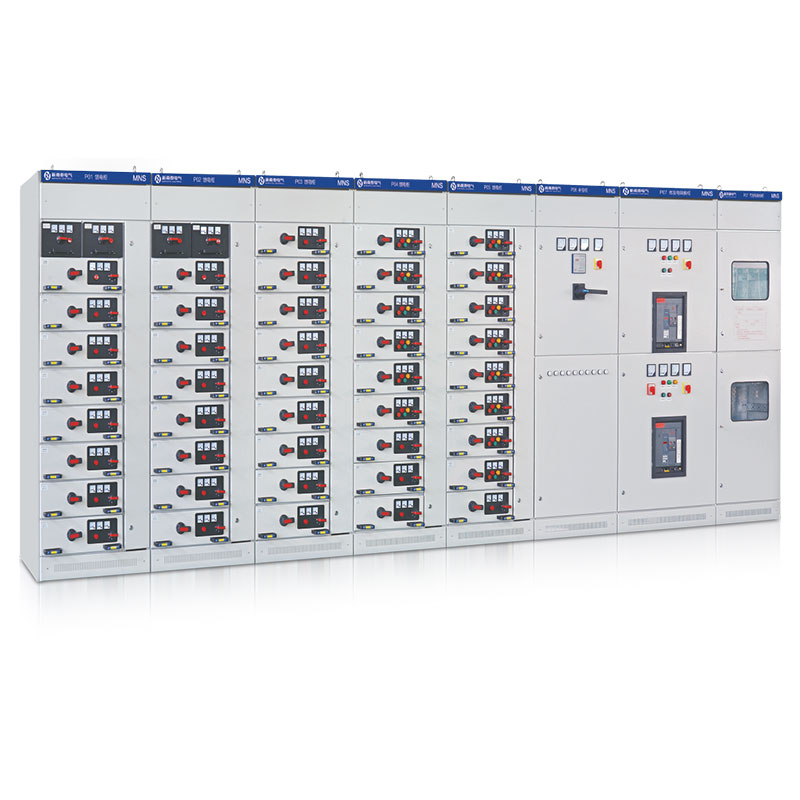


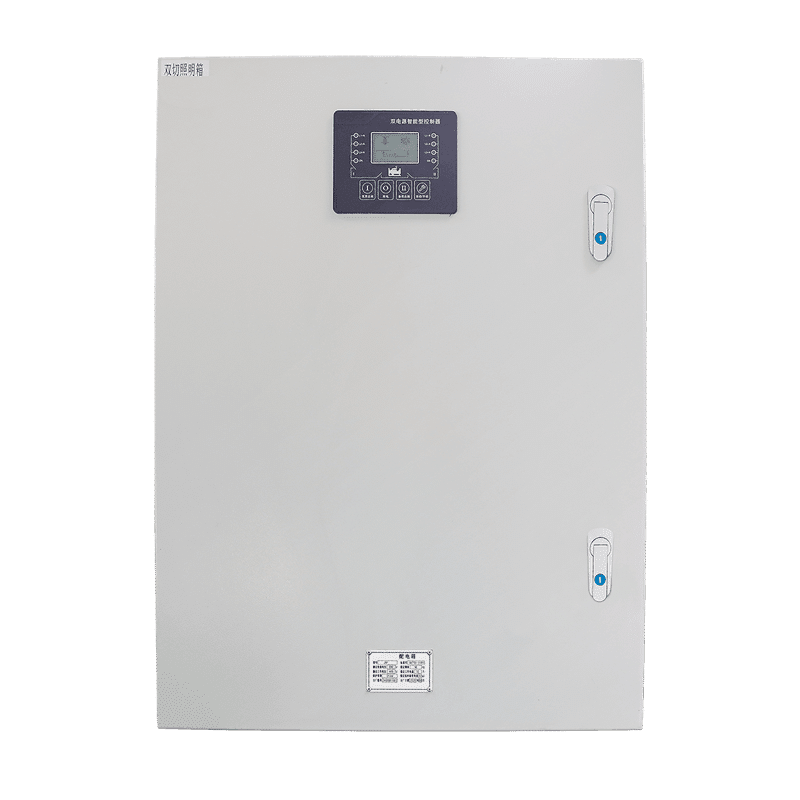


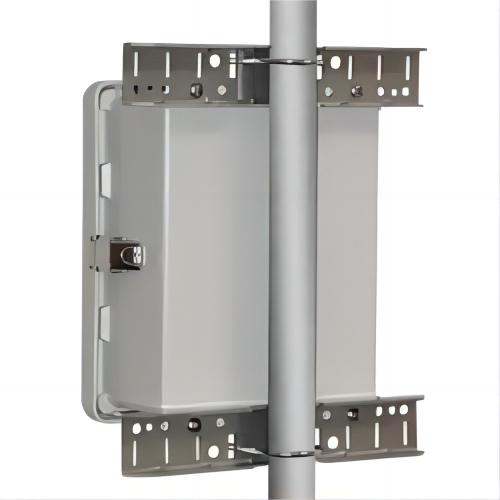


It is the GIS (Gas Insulated Switchgear), and that is all that matters. It is on the lips of every engineer wherever some sweat and tears result in power being delivered to those who need it. In the hectic world of electrical engineering, where not a square inch goes to waste and compromise on reliability is just not an option, the phrase has taken on drastically elevated importance. What is Gas Insulated Switchgear and why should you care if you’re an electrical engineer, project manager, or just a person who has to have his horizon widened into the infra world that makes this thing of ours work with its invisible little electrons skipping around the business?. Let’s explain what the gas-insulated switchgear is, how it works, and the fundamental importance for today’s modern power system.
What is Switchgear?
Before delving deep into the explanation of Gas Insulated Switchgear, let us explain what switchgear is. It includes an electric apparatus assembly used in controlling, protection and isolating circuits of electrical; it constitutes a very critical part of ensuring the safety and efficiency of power systems. Switchgear devices, some of the more common specimens being circuit breakers, fuses, contactors, and relays, form an integral part of the requirement both for controlling the flow of electricity to a small residential building and a large-scale industrial complex.
According to voltage levels, there are basically three kinds of switchgears:
- Low Voltage: Less than 1000 V AC.
- Medium Voltage: 1000-36 kV AC
- HV: Above 36 kV AC
Besides the voltage classifications, switchgear is also further differentiated by the type of insulation used in it. The commonest insulating media are: air, oil, and gas. And this is where gas-insulated switchgear comes into view.

What is Gas-Insulated Switchgear (GIS)?
Gas-insulated switchgear (GIS) is a metal-encapsulated compact switchgear that uses sulfur hexafluoride (SF6) gas as an insulating medium. Gas Insulated Switchgear being more compact and efficient compared to conventional air-insulated switchgears has hence found wide application in high-voltage applications in situations where space is limited.
SF6 gas has splendid insulating capability with excellent dielectric and arc-quenching performance. Therefore, based on this fact, without other difficulties, a GIS could therefore work safely and reliably under conditions where it would be impractical to operate other types of switchgear.
How Does Gas Insulated Switchgear Work?
The underlying principle of a Gas Insulated Switchgear is an insulation and cooling system that uses SF6 gas. The working principle is explained below.
- Insulation and Arc-Quenching: The Gas Insulated Switchgear system contains the components of the system hermetically within a sealed metal enclosure that is filled with SF6 gas. The SF6 gas easily quenches an arc when a fault in the electrical system causes the circuit breaker in the GIS to open and create an arc. This is because the SF6 gas can absorb free electrons, making it possible for it to neutralize an arc and hence extinguish it. This process happens very efficiently, hence making GIS very reliable.
- Compact Design: Due to the excellent insulating properties of SF6 gas, GIS units can be enormously small compared to their air-insulated counterparts. It is this compactness that makes the GIS ideal for urban areas or underground substations where land comes at a premium.
- Low maintenance: This is yet another unique feature of GIS. The sealed design ensures that entry to the system by contaminants is eliminated and thereby reduces frequent inspections and upkeep.

Why Use SF6 in GIS?
SF6 gas forms the basic building block of GIS, by virtue of a very unique property, which finds an application of prime importance for use at high voltages:
- High dielectric strength: The dielectric strength of SF6 is about three times air, making it highly potent against electrical breakdowns.
- Thermal Stability: SF6 can withstand high temperatures without breaking down, thus increasing the safety and durability of the switchgear.
- Arc Quenching Efficiency: Because SF6 can quench an arc very fast and recombine itself, it can be used time after time without appreciable degradation.
However, the fact that, though highly effective, SF6 happens to be a very potent greenhouse gas has to be taken into consideration. For this reason, managing and minimizing SF6 emissions is critically inherent in Gas Insulated Switchgear operations.
Components of Gas-Insulated Switchgear
Some of the major components that make up a GIS system include the following, all playing important roles in the functioning of the switchgear:
- Busbar: A conductor that interlinks various components within the Gas Insulated Switchgear to provide an efficient way of transmitting electricity.
- Current Transformer:This device steps down high currents to levels that will allow accurate measurement and monitoring.
- Circuit Breaker: The circuit breaker opens under fault conditions, thus saving a system from damage.
- Potential Transformer: The device is used, just like the current transformer, in stepping down the voltage levels for measurement.
- Cables: GIS cables are used for the transmission of electricity between switchgear and other equipment, either inside the GIS enclosure or outside.

Advantages of Gas-Insulated Switchgear
The advantages of GIS are plenty, making this a preferred application in many fields.
- Compactness: GIS units are way smaller than air-insulated switchgear, and this has a significant edge when space is at a premium, like in cities or industrial settings.
- Low Maintenance: Gas Insulated Switchgear requires less frequent maintenance, compared to traditional switchgear, due to its robust design and the use of SF6 gas.
- High Reliability: The SF 6 gas provides better insulation, and the sealed design allows it to be highly reliable with reduced risks of faults.
- Охрана окружающей среды: This closed construction of Gas Insulated Switchgear minimizes the influence of dust, humidity, and other pollution on the device’s performance.
Disadvantages of Gas-Insulated Switchgear
Although GIS possesses many advantages, there are still some disadvantages associated with this technology.
- Higher Cost: The initial cost of Gas Insulated Switchgear is higher than air-insulated switchgear. This can be attributed to the cost of the SF6 gas and the complex design.
- SF6-Gas-Management: SF6 is an ultra-powerful GHF gas, and even a little leakage or mismanagement can result in devastating consequences on the environment; hence, due care and mitigation strategies are required.
- Complex Installation: Setting up GIS requires specific competencies and equipment that can again increase the overall cost and time of the project.
Applications of Gas-Insulated Switchgear
GIS is extremely versatile, and its uses span a very wide spectrum of applications, including: Urban substations— The compact design of GIS makes it very suitable for use in urban substations where space is an issue.
- Промышленные объекты: GIS is generally used in industry where reliability and low maintenance are of prime concerns.
- Underground Substations: Since Gas Insulated Switchgear has a sealed design, this makes it quite suitable for underground installations where environmental factors can be more challenging.
- High-Pollution Areas: GIS does better in high-pollution areas; for example, beside seas or industries where the air-insulated switchgear might get contaminated.
Заключение
The requirement for effective, reliable, and compact electrical infrastructure will only increase as our cities grow and electricity demand increases. The gas-insulated switchgear is fit for all these challenges. Its compact design, high reliability, and low maintenance requirements make this technology an integral part in modern power systems.
Increasing sustainability, however, has to be coupled with SF6 emission management and the quest for alternative insulation gases that will help reduce the ecological footprint. In years to come, as technology advances, we will see further innovation in GIS, thus making it even a more indispensable tool in the electrical engineer’s arsenal.
Be it designing, installing, or operating electrical systems, knowledge of GIS and its place in modern power distribution is very important. As we hurtle into a more connected, electrified world, Gas Insulated Switchgear will no doubt be one of the cornerstones of our power infrastructure.
The paper aims to provide an overview on Gas-Insulated Switchgear: its importance, functionality, and areas of application, advantages, and challenges. Please feel free to ask any questions regarding aspects you would like to explore further.
Updated Selection Guidance
This section is a supplemental review draft. Consolidate overlapping passages before replacing the production URL.
Gas-insulated switchgear (GIS) is a switchgear arrangement in which specified energized parts are enclosed in a gas-insulated compartment or system. “GIS” identifies an insulation and enclosure approach; it does not by itself determine the full equipment configuration, gas type, rating, or project compliance.
This update guide covers how to define a GIS requirement and how to keep the product page, technical guide, and AIS-vs-GIS comparison from competing with one another.
What GIS means
GIS is generally evaluated where the project needs a compact, enclosed switchgear arrangement and the selected equipment supports the required switching, protection, and distribution functions. The actual configuration may include bus sections, circuit breakers, disconnectors, earthing devices, instrument transformers, protection relays, metering, and control interfaces.
The equipment list and enclosure boundaries vary by product and project. Do not assume a gas type, pressure, environmental benefit, maintenance interval, or “SF6-free” claim without exact product documentation.
Functional component groups
Review a GIS proposal by function rather than by marketing label:
– incoming and outgoing feeder modules; – bus and bus-section modules; – switching, isolation, and earthing devices; – circuit interruption and protection; – instrument transformers, metering, and monitoring; – operating mechanisms, control power, and interlocks; and – cable or other connection interfaces.
Сайт Руководство по распределительным устройствам с элегазовой изоляцией remains the definition and product-context page. The AIS vs GIS comparison handles selection trade-offs.
Project inputs to collect
Network function
Define the system arrangement, feeder count, transformer or load connections, bus sections, and required switching sequence. Include the approved project diagram or the information needed to prepare one.
Protection, measurement, and control
List protection functions, metering, local and remote control, alarms, interlocks, communications, and monitoring requirements. Coordination, relay settings, and fault duties need project-specific engineering evidence.
Site and interface conditions
Document installation location, ambient and contamination conditions, cable interfaces, access, transport constraints, maintenance boundaries, and any site-specific enclosure requirements. Confirm the exact product documentation before making an environmental or ingress claim.
Gas and maintenance documentation
If the project has requirements concerning the insulating gas, handling, monitoring, service, or end-of-life process, state them explicitly in the specification. Do not turn a general GIS label into a claim about a particular gas, emissions profile, or service interval.
Comparing GIS with AIS
The decision should consider space, environmental boundary, visibility of components, maintenance method, expansion, project complexity, and local requirements. These dimensions are conditional; they do not support a universal cost, reliability, or maintenance conclusion.
GIS quotation checklist
Before requesting a quotation, provide:
- system and feeder arrangement;
- load, transformer, and operating information;
- protection, metering, control, and communication requirements;
- site, cable-interface, and access conditions;
- gas-related documentation requirements, if applicable;
- required drawings, data sheets, inspection documents, and manuals; and
- assumptions, exclusions, and future expansion requirements.
Any voltage, current, fault duty, standard, certification, gas, or environmental statement must be checked against the exact proposed model and documentation.
GIS Technology and Regulatory Update 2025–2026
Two developments have changed how gas-insulated switchgear is specified since this guide was first published: the EU F-gas Regulation (EU) 2024/573, in force since 11 March 2024, and the commercial maturity of SF6-free GIS. Both directly affect procurement documents for projects delivering from 2026 onwards.
Under Regulation (EU) 2024/573, new medium-voltage switchgear rated up to and including 24 kV may no longer be placed into operation using SF6 or other fluorinated gases for insulation or arc quenching from 1 January 2026, with higher medium-voltage tiers following from 1 January 2030 and further scope from 2032. In practice, EU-bound projects specified in late 2025 and 2026 must either select SF6-free equipment or document how the deadline applies to their delivery date. Projects outside the EU are not bound by the regulation, but multinational asset owners increasingly apply one specification globally to keep fleet management simple.
On the product side, every major manufacturer now has SF6-free medium-voltage options in series production. Siemens offers the 8DJH 12 and 8DJH 24 blue GIS range, insulated with dry Clean Air and using vacuum interruption; Schneider Electric’s SM AirSeT uses pure air insulation with vacuum switching up to 24 kV; Hitachi Energy’s EconiQ portfolio, best known for the first 550 kV SF6-free GIS deliveries in transmission, extends down through the voltage levels. Industry surveys in 2025 found all major responding manufacturers offering F-gas-free options up to 24 kV. The insulation approaches differ technically: dry air, fluoronitrile (C4-FN) and fluoroketone (C5-FK) mixtures diluted with CO2 and O2, and solid insulation — each with different dielectric behavior, liquefaction temperatures, and gas-handling rules compared with SF6.
For buyers, this changes three lines in a GIS specification. First, state explicitly whether the project requires SF6-free insulation and cite the applicable regulation. Second, verify the interruption technology, since most SF6-free designs pair vacuum interrupters with three-position switch-disconnectors rather than gas-blast breaking. Third, request the insulation documentation set — gas composition, operating pressure, recovery procedure, and end-of-life handling — because dry-air and mixture-filled equipment follow different handling procedures than SF6. Market analysts size the SF6-free switchgear segment at roughly USD 8.6 billion in 2025 with double-digit annual growth expected into the 2030s (industry estimate, not a procurement figure).
Frequently Asked Questions about Gas-Insulated Switchgear (2026 Update)
Is SF6 still allowed in new switchgear after 2026?
Inside the EU, new medium-voltage switchgear up to and including 24 kV filled with SF6 cannot be placed into operation from 1 January 2026; higher medium-voltage tiers follow from 2030 and 2032. Installed equipment is not forced out of service, and non-EU markets have no uniform restriction. Check the delivery date and the destination market before specifying.
How much space does GIS save compared with AIS?
Typical project figures quoted for medium voltage are footprint reductions on the order of 30–70%, because gas insulation allows much smaller phase clearances than air at the same voltage. In a basement substation or a compact industrial switchroom at 12–36 kV, GIS or an SF6-free compact equivalent is frequently the only layout that fits the room.
Do SF6-free GIS types carry the same ratings as SF6 designs?
For secondary distribution duties (12–24 kV, busbar currents up to 630 A, short-circuit classes around 21–25 kA), commercial SF6-free products now cover the range previously served by SF6 compact switchgear, using vacuum interrupters for breaking and dry air or gas mixtures for insulation. Above 24 kV the SF6-free catalogue is still being completed, so confirm ratings per product line instead of assuming equivalence.
What maintenance does a modern GIS require?
Gas-monitored GIS is typically inspected on roughly five-year cycles with gas pressure verification, and many current designs advertise extended maintenance intervals for sealed primary parts such as vacuum interrupters and gas-tight busbars. Gas handling at end of life — recovery, purity checks, and documentation — remains the main recurring obligation, and the procedure differs by insulation medium.
Can GIS replace AIS in an existing substation room?
Yes, and it is one of the most common retrofit paths: the smaller footprint usually allows AIS-to-GIS replacement inside the same room, sometimes with spare capacity left over. The required project inputs are the same as for new build — network diagram, ratings, cable entries, earthing, and room access — plus a disposal plan for the outgoing equipment.
GIS Selection Data Table (2026)
| Dimension | Air-Insulated (AIS) | SF6 GIS | SF6-Free Compact GIS |
|---|---|---|---|
| Typical voltage range | 1 kV to EHV; clearances scale with voltage | 3 kV to 800 kV | 12–24 kV mainstream; HV portfolio expanding |
| Relative footprint | Baseline (largest) | Approx. 30–70% smaller than AIS | Comparable to SF6 GIS |
| Insulation medium | Air at atmospheric pressure | SF6 | Dry air, C4-FN / C5-FK mixtures, or solid insulation |
| Interruption technology | Air break, vacuum, or oil/SF6 by class | SF6 puffer or rotary arc | Vacuum interrupters with three-position switch-disconnectors |
| EU status for new units (2026) | Unaffected | ≤24 kV banned from 1 Jan 2026; 2030/2032 for higher tiers | Compliant option |
| Maintenance character | Pollution-driven cleaning and mechanism service | Gas monitoring, approx. 5-year inspection cycles | Sealed primary parts; extended intervals claimed by manufacturers |
| Best fit | Outdoor substations with available space, cost-driven projects | Space-constrained or harsh-environment HV and EHV installations | EU-bound MV projects and specifications with SF6-free requirements |
Use this table as a first filter only: final selection must be checked against the specific product datasheet, the project’s network parameters, and the applicable local regulations.
Browse this topic: Switchgears technical hub
 RU
RU  EN
EN  EN_ZA
EN_ZA  AR
AR  EN_GB
EN_GB  DE
DE  ES
ES  FR
FR  IT
IT  JA
JA  ZH
ZH  TR
TR  EN_CA
EN_CA  EN_AU
EN_AU  NL
NL  PT
PT  FA
FA