

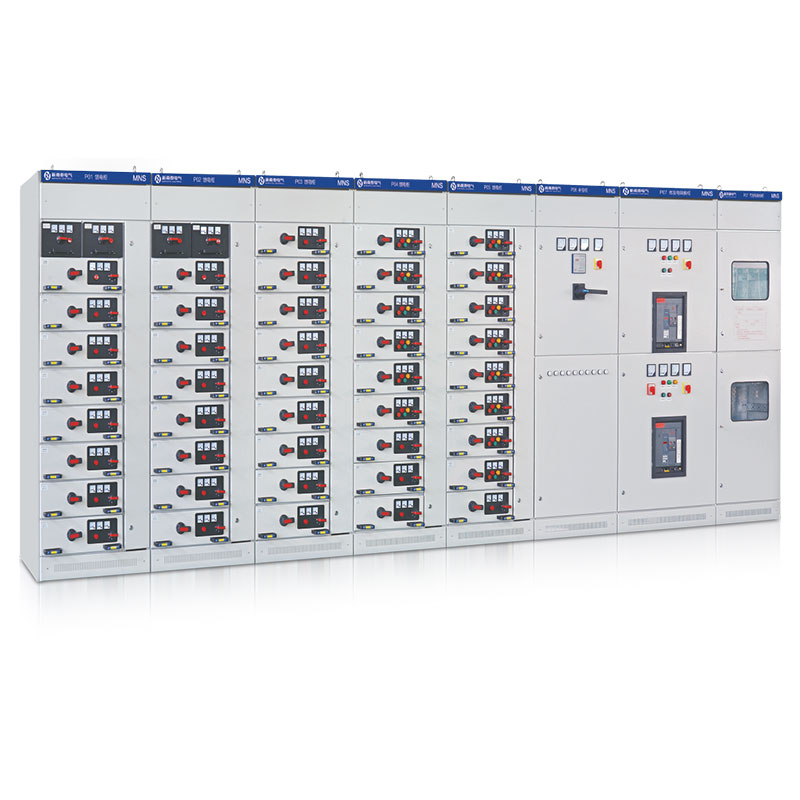


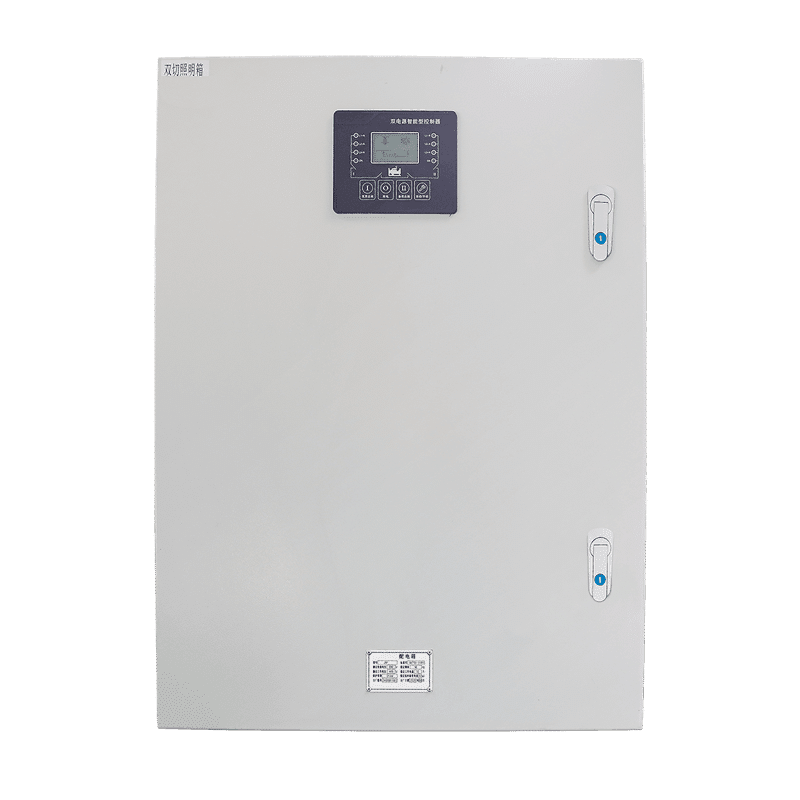


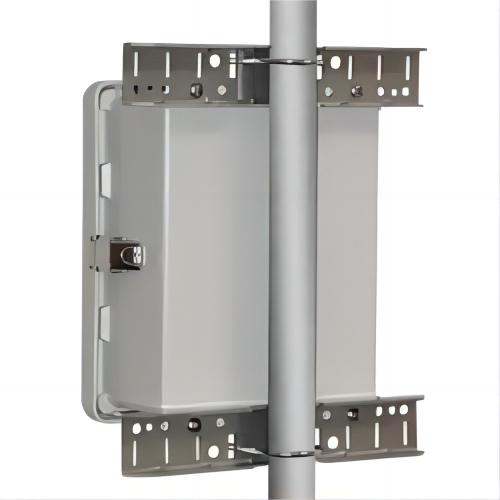


This guide is an engineering and procurement aid. The final enclosure, junction-box, protection, and installation decisions must follow the equipment data, local requirements, approved drawings, and the supplier’s documented capability. A search result or competitor page is not evidence that ElectricalCabinet.net offers a particular rating or certification.
A temperature-rise result is only as good as its inputs
Enclosure thermal planning starts with the heat generated by the installed components and the conditions around the cabinet. A calculator output should not be treated as a guaranteed field temperature. Layout, orientation, cable openings, solar load, airflow, mounting, and actual duty can change the result.
Inputs to collect
| Input | Why it matters |
|---|---|
| Component losses | Power supplies, drives, breakers, transformers, and control devices may have different losses and duty. |
| Ambient and solar exposure | Sets the temperature difference available for passive heat transfer. |
| Enclosure construction | Material, surface area, finish, mounting, and orientation affect heat dissipation. |
| Cooling method | Fans, filters, heat exchangers, or air conditioners introduce maintenance and protection questions. |
| Validation plan | Defines what will be measured, where, under what load, and who approves the result. |
Use the result responsibly
Record assumptions, calculation method, component duty, spare capacity, and the allowed internal temperature. If the calculation indicates a cooling accessory, verify airflow, dust, water, condensation, noise, power, and the effect on enclosure protection. The final design should include a review or test plan appropriate to the project.
Use these inputs to prepare an evidence-based electrical enclosure enquiry and confirm the final configuration with the responsible engineer and supplier.
 RU
RU  EN
EN  EN_ZA
EN_ZA  AR
AR  EN_GB
EN_GB  DE
DE  ES
ES  FR
FR  IT
IT  JA
JA  ZH
ZH  TR
TR  EN_CA
EN_CA  EN_AU
EN_AU  NL
NL  PT
PT  FA
FA