







Why transformer selection starts with the system
A transformer changes voltage or provides isolation within an electrical system. Its selection depends on the source, load, duty cycle, environment, grounding, protection, installation, and required documentation. A transformer name alone does not establish the correct voltage, capacity, temperature rise, or installation method.
Main transformer components
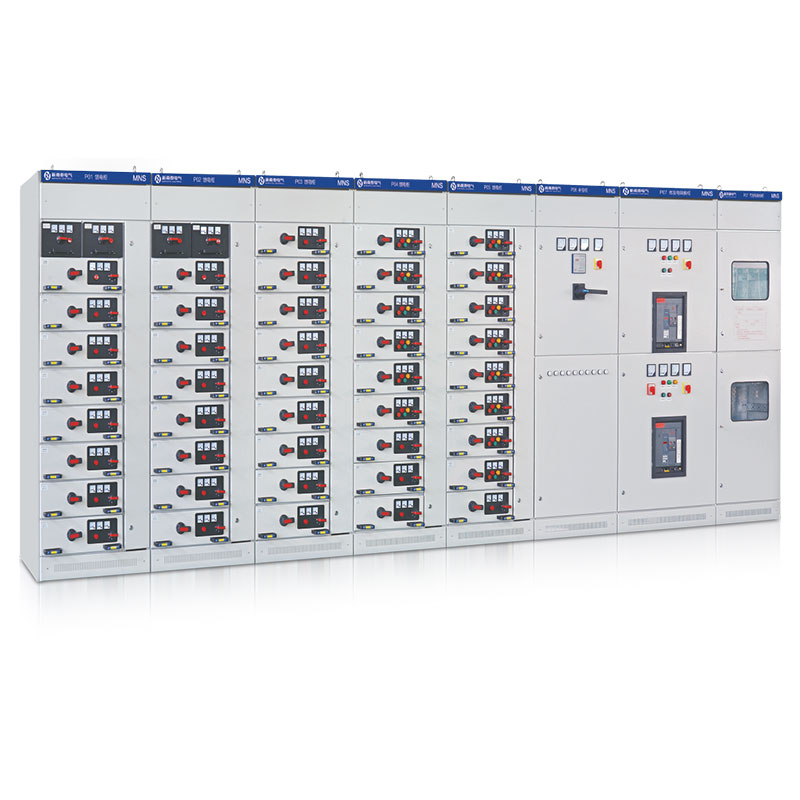
Depending on the construction, a transformer may include windings, a magnetic core, insulation system, enclosure or tank, terminals, cooling provisions, protection devices, and monitoring accessories. Distribution or substation assemblies may also include upstream and downstream switchgear, cable compartments, surge protection, and metering.
| Component or input | What to confirm |
|---|---|
| Primary and secondary windings | Voltage, phase, connection, insulation, and load duty |
| Magnetic core | Construction, losses, sound expectations, and application |
| Insulation system | Temperature class, environment, and maintenance requirements |
| Enclosure or tank | Indoor/outdoor location, cooling, sealing, and access |
| Terminations | Cable type, entry direction, lugs, and clearances |
| Protection and monitoring | Fuses, breakers, temperature, surge, and alarm interfaces |
Common transformer types
The project may use a dry-type transformer, oil-immersed transformer, isolation transformer, autotransformer, step-up or step-down transformer, control transformer, or a packaged substation assembly. These names describe different electrical or construction roles. They should not be treated as interchangeable products.
For example, an autotransformer shares part of the winding between input and output and does not provide the same galvanic isolation as a two-winding isolation transformer. A dry-type transformer may suit an indoor application, while an oil-immersed unit may require different installation, fire, containment, and maintenance planning.
Inputs before quotation
Provide primary and secondary voltage, frequency, phase, kVA or load information, inrush or starting conditions, grounding, impedance requirements, ambient temperature, altitude, installation location, enclosure, cooling, sound, cable entry, upstream protection, downstream protection, and applicable project documents.
Do not calculate capacity from a nominal load number without checking duty cycle, power factor, harmonics, motor starting, future expansion, and thermal conditions. Final sizing belongs to the project electrical design.
Documentation and interfaces
Identify the transformer drawing, nameplate data, connection diagram, protection interface, temperature or alarm outputs, and responsibility for installation and testing. In a packaged substation, define the boundary between the transformer, MV switchgear, LV distribution, enclosure, and site connections.
ElectricalCabinet.net can use these inputs to route a transformer or packaged-substation enquiry to the appropriate product and engineering scope. The final transformer type and rating remain project-specific.
 JA
JA  EN
EN  EN_ZA
EN_ZA  AR
AR  EN_GB
EN_GB  DE
DE  ES
ES  FR
FR  IT
IT  ZH
ZH  TR
TR  RU
RU  EN_CA
EN_CA  EN_AU
EN_AU  NL
NL  PT
PT  FA
FA