

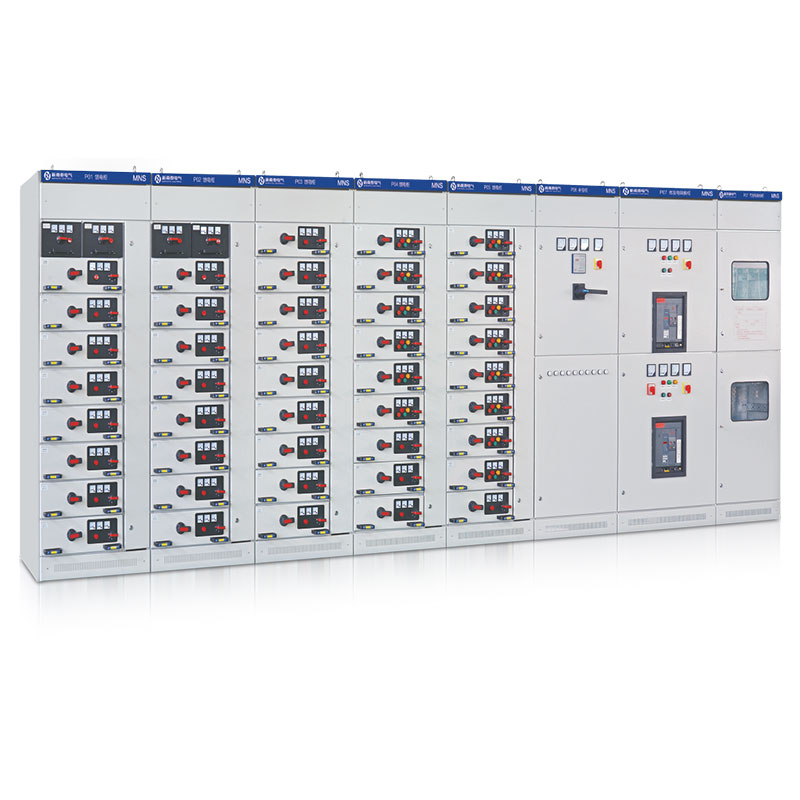


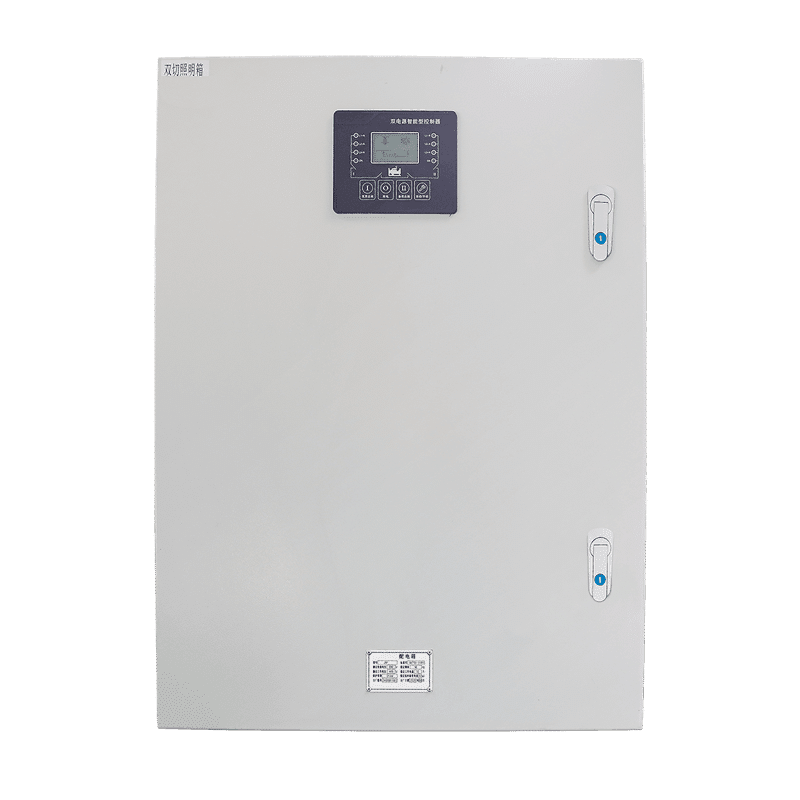


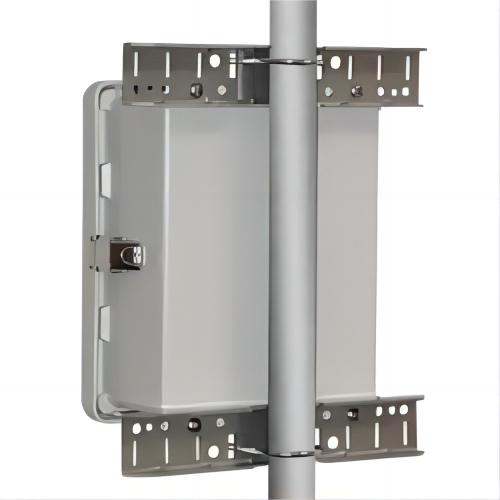


Wind-energy control cabinets can support turbine nacelle systems, pitch or yaw auxiliaries, converters, cooling, monitoring, and site power interfaces. The exact scope depends on the turbine architecture and system integrator.
Map the turbine interfaces
List motors, drives, sensors, braking or auxiliary systems, converters, alarms, communication devices, and operator interfaces. Record power, signal types, network ownership, cable routes, vibration, temperature, and access requirements.
Environment and service
Capture nacelle or tower location, temperature, humidity, condensation, vibration, dust, corrosion, space, mounting, and maintenance conditions. Select cabinet material, mounting, seals, cooling, cable entry, and service access from these inputs. Do not claim turbine compatibility or performance from a generic wind application.
Checklist
- Turbine subsystem and control responsibility boundary.
- Power, drive, sensor, converter, alarm, and network inputs.
- Vibration, temperature, humidity, condensation, corrosion, and access.
- Enclosure layout, cable entry, cooling, labels, records, and maintenance.
Use control-cabinet images as application examples, not as proof of a wind-farm project or performance result.
 FR
FR  EN
EN  EN_ZA
EN_ZA  AR
AR  EN_GB
EN_GB  DE
DE  ES
ES  IT
IT  JA
JA  ZH
ZH  TR
TR  RU
RU  EN_CA
EN_CA  EN_AU
EN_AU  NL
NL  PT
PT  FA
FA