







What a power distribution panel does
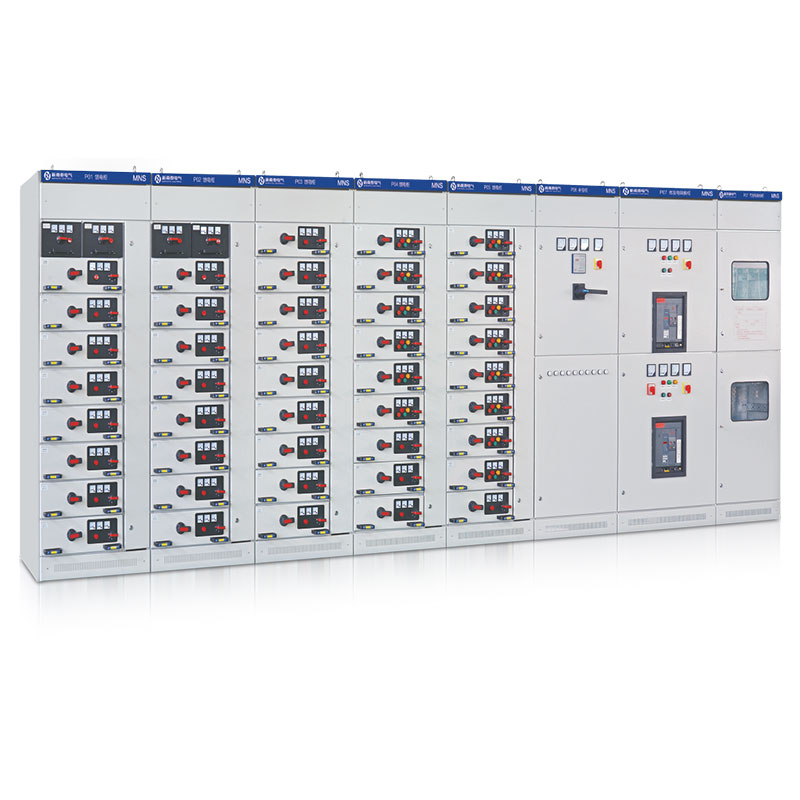
A power distribution panel receives electrical power and divides it among outgoing circuits through switching, protection, metering, and connection equipment. It is a power-distribution assembly, not the same thing as a process control panel. A project may use both: the distribution panel supplies feeders, while a control panel operates motors, pumps, valves, or an automated machine.
Main components
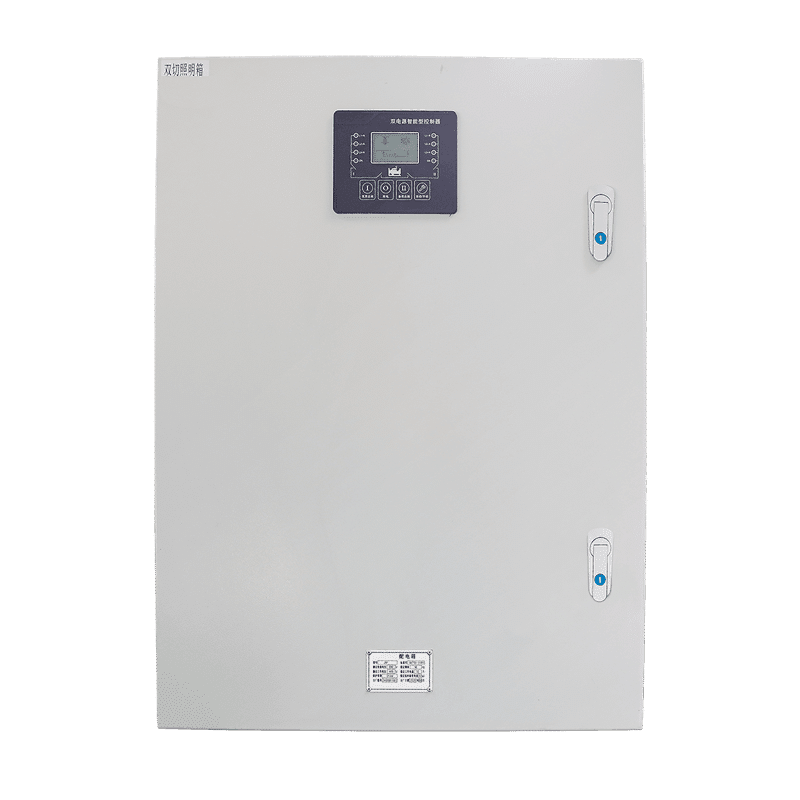
The exact arrangement depends on the application, but a distribution panel may include an incoming disconnect or breaker, busbars, feeder protective devices, metering, surge protection, terminal connections, an enclosure, and identification labels. Some assemblies also include transfer, sectionalizing, or communication functions. Each component must be selected as part of the complete assembly.
| Component or input | Selection question |
|---|---|
| Incoming device | What is the source, service arrangement, and isolation requirement? |
| Barres de bus | What current, temperature, spacing, and fault-duty requirements apply? |
| Feeder devices | How many circuits, what loads, and what coordination is required? |
| Metering | Which electrical values must be measured or communicated? |
| Enceinte | Is the installation indoor, outdoor, dusty, wet, hot, or corrosive? |
| Cable entry | From which side do cables enter, and how will unused openings be sealed? |
| Documentation | What schedules, labels, drawings, inspection, or test records are required? |
Distribution panel versus control panel
A distribution panel is primarily concerned with delivering and protecting electrical power. A control panel is primarily concerned with commands, feedback, sequencing, alarms, and operator interfaces. Drives, PLCs, relays, and field terminals usually belong to the control architecture, although a project may integrate power and control sections in one enclosure.
Keeping the roles explicit makes the quotation clearer. The equipment schedule should identify which party supplies the incoming power assembly, which party supplies motor control, and where the cable and signal responsibilities change.
Inputs required before quotation
Collect the source voltage, frequency, phase arrangement, grounding method, available fault current, continuous load, feeder list, motor starting conditions, future expansion, environment, mounting arrangement, cable entry, access requirements, metering, and local project requirements. For an industrial installation, also identify the upstream transformer or switchgear interface and the downstream control-panel interfaces.
Do not select a panel only by its physical size or number of breaker spaces. The assembly needs to be checked against heat dissipation, clearances, conductor arrangement, protection coordination, maintenance access, and the selected equipment documentation.
Protection and coordination boundaries
The protective-device arrangement should follow the project study and equipment schedule. A general article cannot assign breaker settings, short-circuit ratings, or coordination results. Those values depend on the source, conductor system, connected loads, and applicable engineering requirements.
Likewise, an enclosure label does not prove a complete NEMA or IP result. Doors, gaskets, cable glands, vents, mounting, and field modifications all affect the final installation.
Installation and maintenance planning
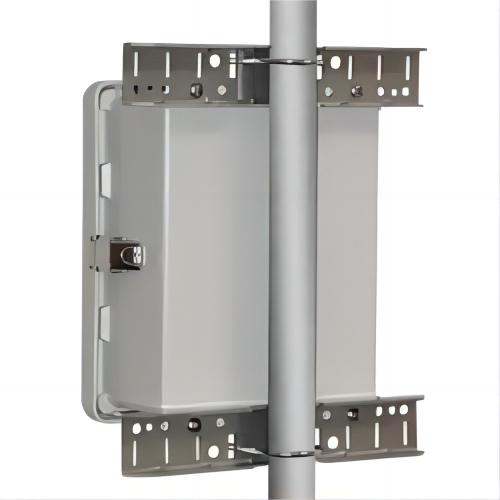
Leave enough working space for cable termination, inspection, device replacement, and future circuits. Mark incoming and outgoing circuits clearly, maintain a feeder schedule, and keep the panel documentation aligned with the installed arrangement. For outdoor panels, account for solar exposure, rain, condensation, corrosion, and drainage. For dusty or wet environments, confirm the enclosure and cable-entry strategy before fabrication.
A practical selection checklist
- Define the source and system electrical data.
- List every outgoing feeder and its load information.
- Confirm protection, isolation, metering, and transfer requirements.
- Define the enclosure environment and mounting location.
- Confirm cable entry, access side, dimensions, and maintenance space.
- Identify interfaces to switchgear, transformers, control panels, drives, and field equipment.
- Agree the drawing, labeling, inspection, testing, and handover documents.
ElectricalCabinet.net can use this guide to route a power-distribution enquiry to the appropriate switchgear, transformer-substation, enclosure, or control-panel capability. Final selection remains project-specific.
 FR
FR  EN
EN  EN_ZA
EN_ZA  AR
AR  EN_GB
EN_GB  DE
DE  ES
ES  IT
IT  JA
JA  ZH
ZH  TR
TR  RU
RU  EN_CA
EN_CA  EN_AU
EN_AU  NL
NL  PT
PT  FA
FA