

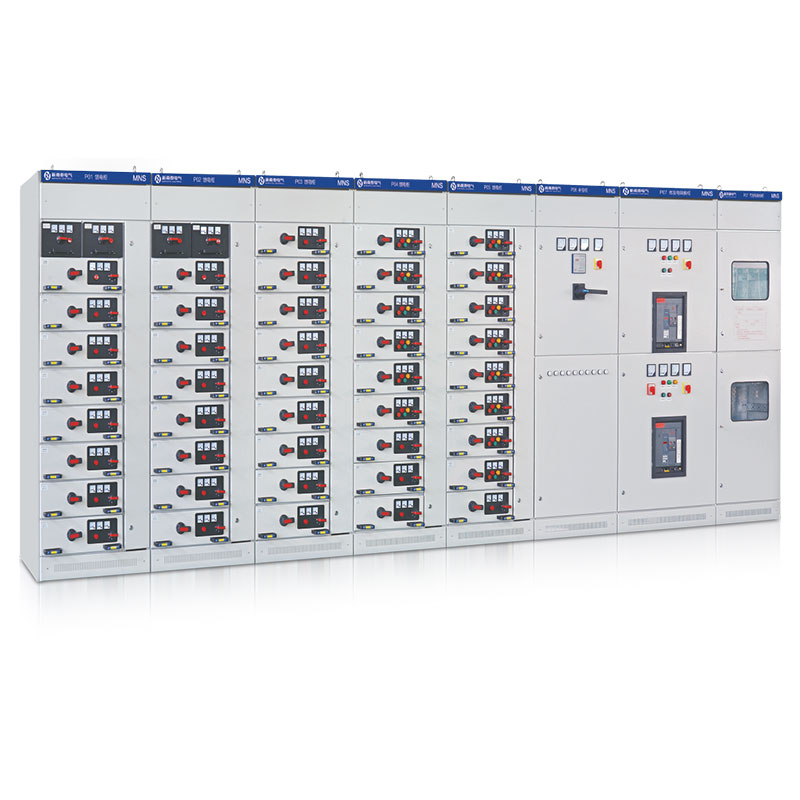


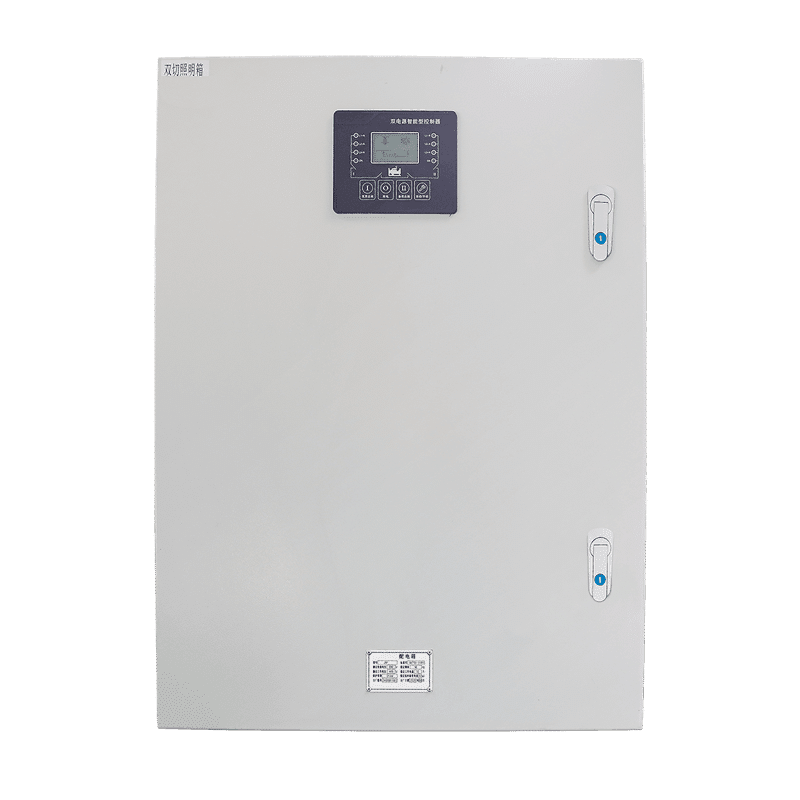


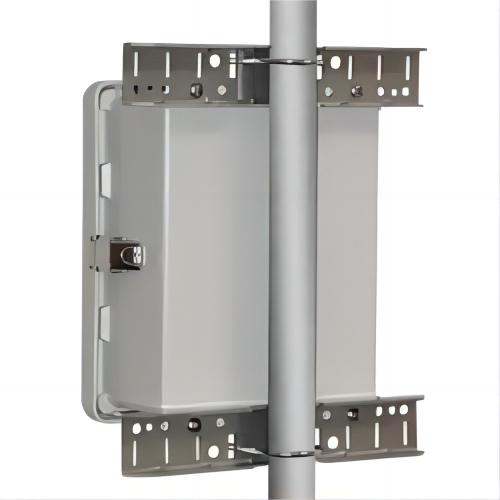


Marine electrical control cabinets may support vessel power distribution, pumps, deck machinery, propulsion auxiliaries, monitoring, and communications. The specification must begin with the vessel system and environment, not with a generic marine label.
Define the system boundary
List the equipment, motors, drives, instruments, alarms, network devices, and operator interfaces connected to the cabinet. Record voltage, current, grounding, cable routes, vibration, access, and responsibility for the vessel integrator and panel supplier.
Capture the environment
Document salt exposure, humidity, condensation, temperature, vibration, shock, water ingress, mounting orientation, available space, and maintenance access. Select material, seals, hardware, cable entries, drainage, and mounting from the actual location. Do not infer marine approval or type approval from a photograph.
Checklist
- Vessel equipment and control sequence.
- Power, grounding, protection, and communication interfaces.
- Salt, water, vibration, temperature, and access conditions.
- Enclosure material, cable entry, mounting, labels, and service.
- Drawings, manuals, inspection records, and approval responsibility.
Use cabinet images as application examples only; they do not prove vessel deployment or marine certification.
 FR
FR  EN
EN  EN_ZA
EN_ZA  AR
AR  EN_GB
EN_GB  DE
DE  ES
ES  IT
IT  JA
JA  ZH
ZH  TR
TR  RU
RU  EN_CA
EN_CA  EN_AU
EN_AU  NL
NL  PT
PT  FA
FA