

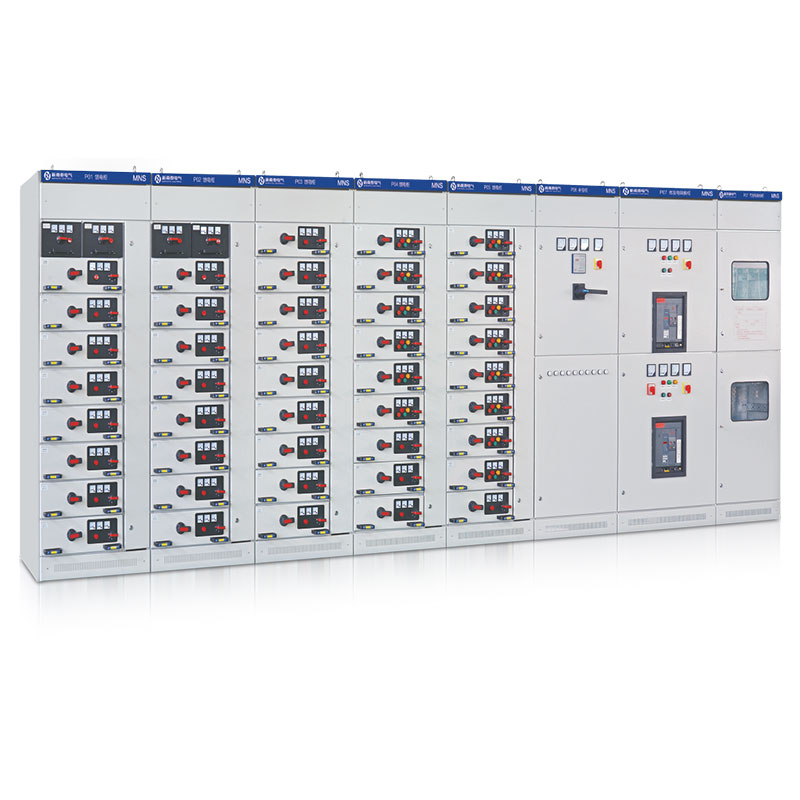


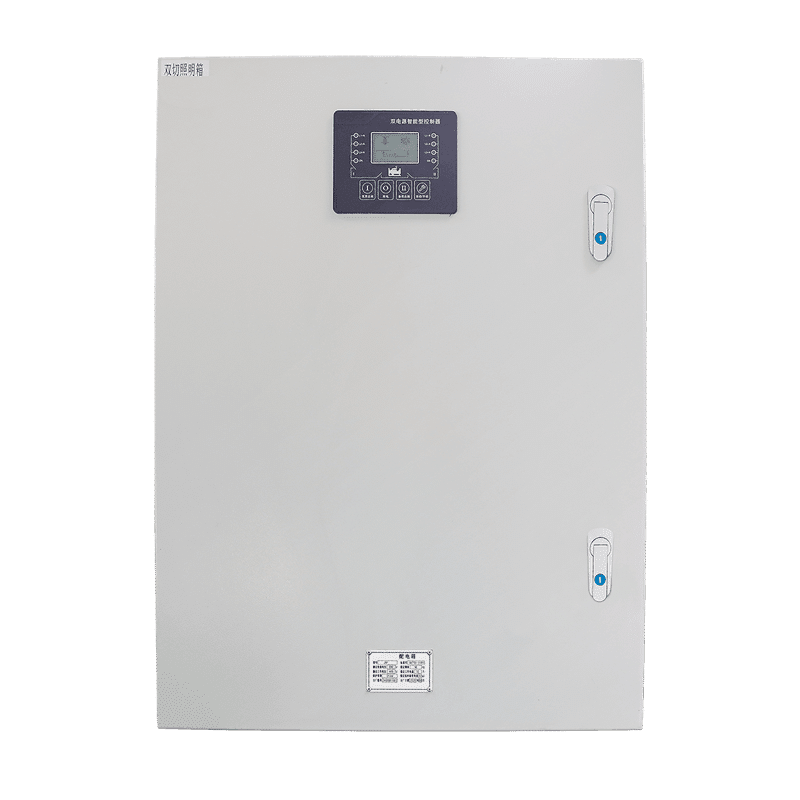


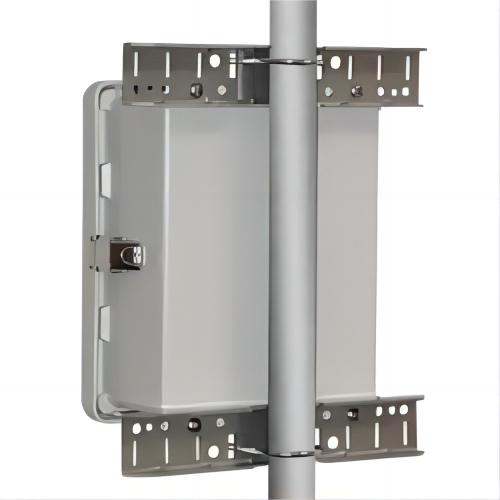


Custom electrical enclosure work is useful when a standard box cannot meet the equipment layout, cable entry, mounting, access, or environmental requirements. A reliable request begins with a controlled drawing and a list of changes, not with an informal request to “modify the cabinet.”
Define the customization scope
State whether the requirement is a cutout, gland plate, mounting plate, DIN rail, window, bracket, door change, lock, label, coating, ventilation feature, or complete assembly. Record the enclosure model or dimensions, material, wall thickness, door swing, available clearances, and the equipment to be installed.
Protect the enclosure function
Every cutout or accessory can affect sealing, strength, drainage, heat, grounding, and service access. Identify the environmental exposure and the intended cable-entry method before approving a drawing. Do not assume that a field cutout preserves the original protection level; the final configuration and components need review.
Design-freeze checklist
- Approved enclosure drawing and revision number.
- Equipment layout, mounting hardware, and service clearance.
- Cutout dimensions, tolerances, edge treatment, and location datum.
- Cable entry, gland, bonding, and sealing method.
- Labels, nameplates, door hardware, and access requirements.
- Thermal, condensation, drainage, and grounding review.
- Inspection, photographs, and as-built documentation.
Use product images to show layout possibilities, not to imply that every listed modification is available on every model. Confirm the actual fabrication scope before quoting a custom assembly.
 FR
FR  EN
EN  EN_ZA
EN_ZA  AR
AR  EN_GB
EN_GB  DE
DE  ES
ES  IT
IT  JA
JA  ZH
ZH  TR
TR  RU
RU  EN_CA
EN_CA  EN_AU
EN_AU  NL
NL  PT
PT  FA
FA