







Mining and bulk-material systems use control panels for conveyors, crushers, feeders, pumps, ventilation auxiliaries, stockpiles, and material transfer. The right panel is determined by the machine sequence and site environment, not by the word “mining” alone.
What the SERP supports
Results for mining control panel include industrial control-panel providers and mining OEM solution pages. They emphasize equipment interfaces and harsh-site conditions. This supports a planning article, but it does not authorize claims about explosion protection, hazardous-location certification, arc resistance, or mine-specific compliance without project evidence.
Map the equipment and sequence
Prepare an equipment list and sequence of operation for the controlled area. Identify motors, drives, starters, feeders, valves, pumps, belt scales, level instruments, emergency stops, pull-cord switches, belt misalignment devices, and upstream/downstream permissives. Record which signals are hardwired, networked, safety-related, or supplied by another package.
Conveying and crushing systems often have startup and shutdown dependencies. These should be represented in an approved control narrative and responsibility matrix rather than guessed from a product image.
Site environment inputs
Document dust type, moisture, rain, washdown, ambient temperature, solar exposure, vibration, corrosion, elevation, indoor/outdoor location, and maintenance access. Record the available power, grounding arrangement, fault information, cable lengths, and voltage-drop constraints supplied by the electrical engineer.
These inputs affect enclosure construction, mounting, cable entry, ventilation or cooling, component spacing, labeling, and serviceability. Do not select an enclosure rating or hazardous-area solution solely from the industry name.
Drives, instrumentation, and communication
For each motor, capture rated data, starting method, duty, speed-control requirement, feedback, bypass needs, and protection interfaces. For instruments, record range, signal type, location, cable routing, and calibration responsibility. For networks, define topology, protocol, remote I/O, diagnostics, and the owner of the communication architecture.
Specification checklist
- Equipment list and approved process sequence.
- Motor, drive, feeder, and instrument schedule.
- Safety and emergency-stop responsibility matrix.
- Dust, water, vibration, corrosion, temperature, and access conditions.
- Incoming power, grounding, fault, and cable information.
- Enclosure, mounting, cable-entry, cooling, and maintenance constraints.
- Drawings, labels, test records, manuals, and spare-parts requirements.
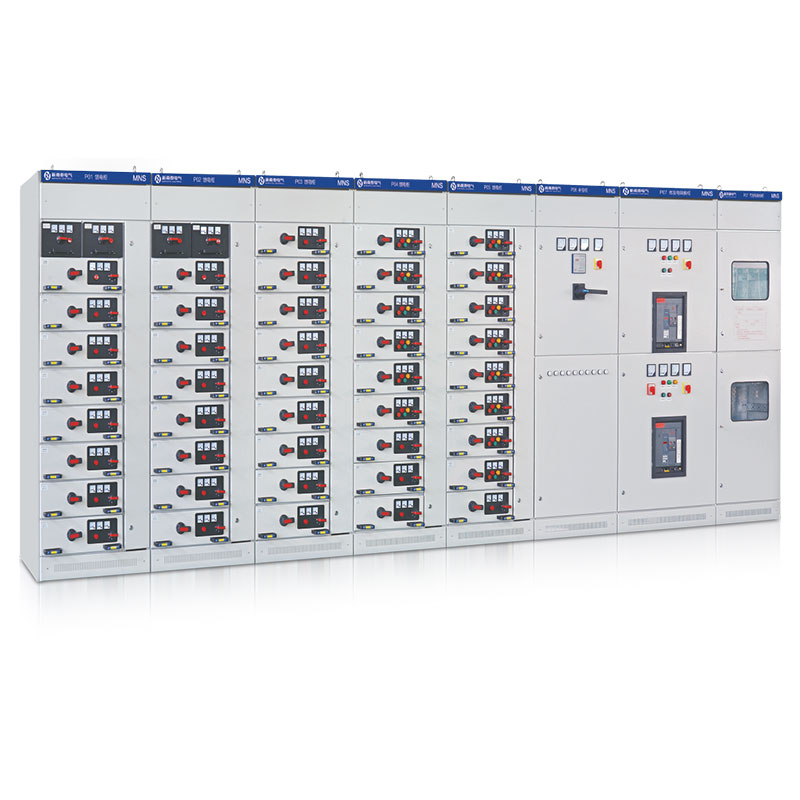
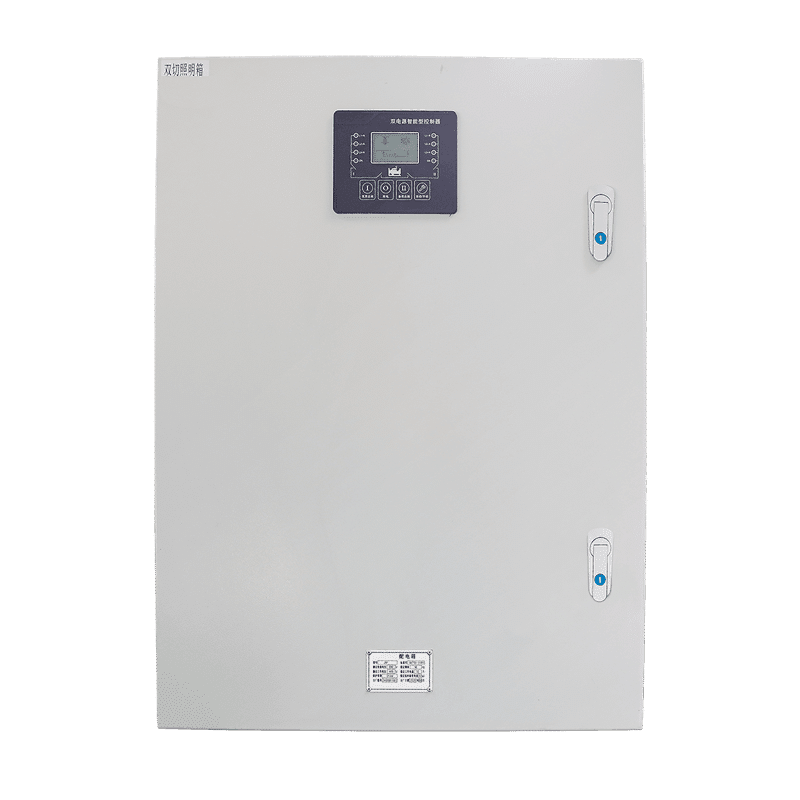
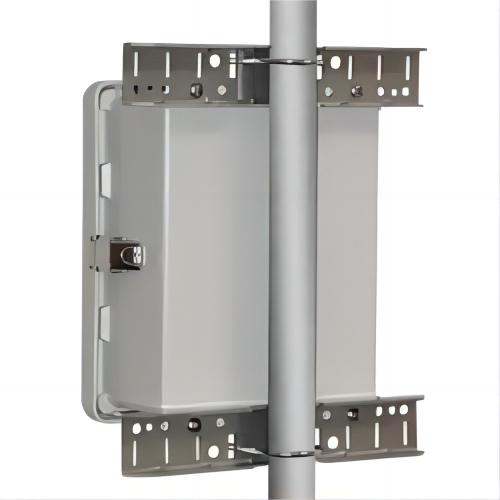
Product photos can show cabinet layout or component grouping. They should be labeled as application examples unless project records support a named mining case study or a compliance statement.
 FR
FR  EN
EN  EN_ZA
EN_ZA  AR
AR  EN_GB
EN_GB  DE
DE  ES
ES  IT
IT  JA
JA  ZH
ZH  TR
TR  RU
RU  EN_CA
EN_CA  EN_AU
EN_AU  NL
NL  PT
PT  FA
FA