







Why power quality is a system issue
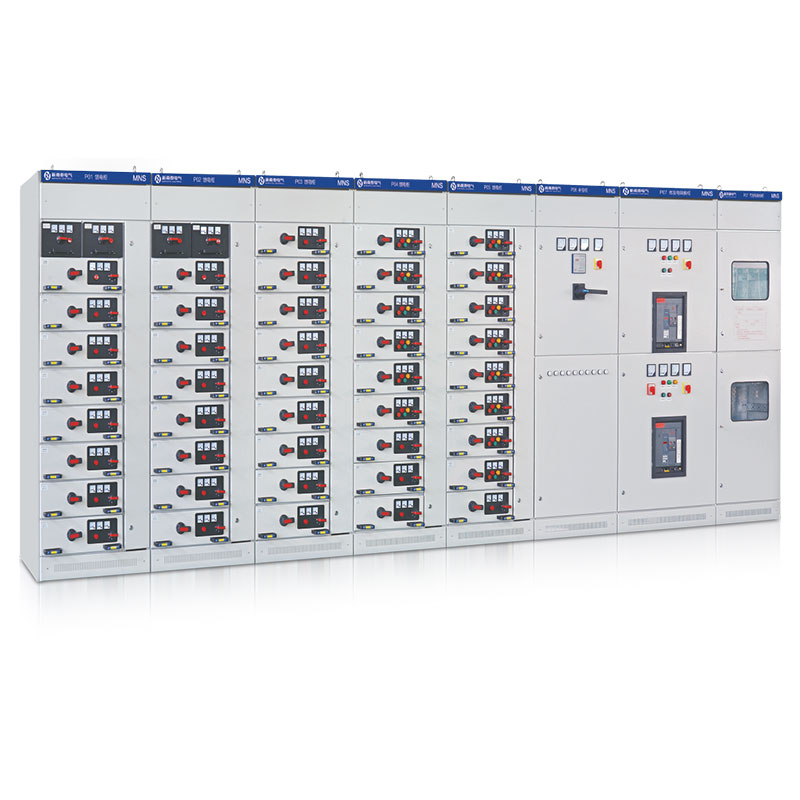
Power-quality problems can affect transformers, switchgear, drives, control power, instruments, and production equipment. Symptoms such as nuisance trips, overheating, flicker, noise, or control resets may have different causes. A control-panel supplier should not diagnose the source from a symptom alone.
Common categories to investigate
| Category | Evidence to collect |
|---|---|
| Voltage variation | Supply measurements, load changes, and operating time |
| Transients | Switching events, lightning exposure, and protection history |
| Harmonics | Load types, drives, rectifiers, and approved measurement records |
| Imbalance | Phase voltage/current records and load distribution |
| Interruptions | Event logs, control-power behavior, and upstream protection |
| Grounding/noise | Bonding, shield, reference, and cable-routing information |
Control-panel design interfaces
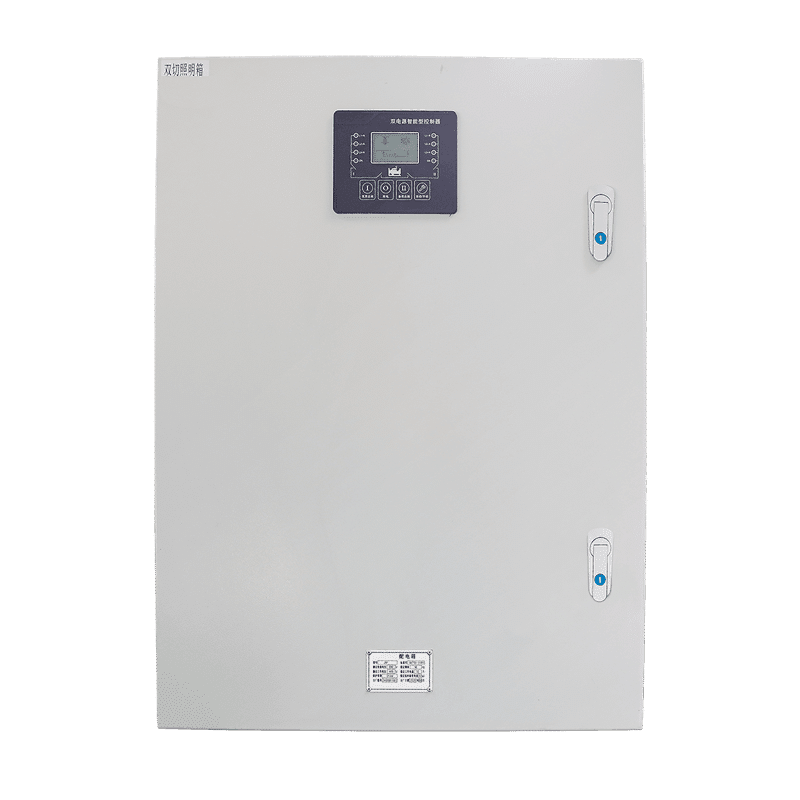
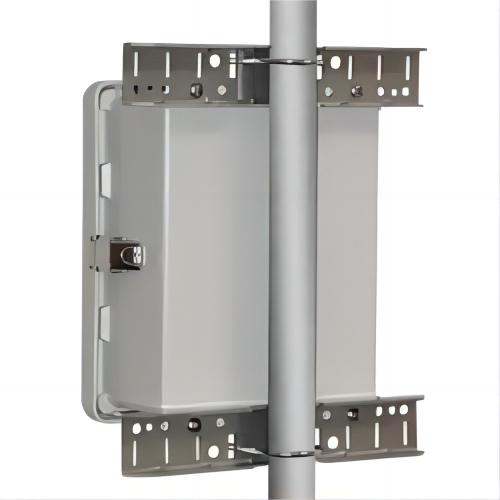
The panel specification should identify incoming power, control transformers or power supplies, surge-protection interfaces, drive requirements, grounding, shield termination, alarm outputs, and responsibility for measurements. A panel can organize and protect equipment, but it cannot guarantee a site-wide power-quality result without a coordinated system study.
Scope boundary
This guide does not provide a power-quality diagnosis, harmonic limit, surge rating, or protection setting. It identifies the evidence and interfaces needed for a qualified investigation.
ElectricalCabinet.net can use these inputs to route a power-quality enquiry to the appropriate transformer, switchgear, VFD, control-panel, and enclosure scope.
 EN_GB
EN_GB  EN
EN  EN_ZA
EN_ZA  AR
AR  DE
DE  ES
ES  FR
FR  IT
IT  JA
JA  ZH
ZH  TR
TR  RU
RU  EN_CA
EN_CA  EN_AU
EN_AU  NL
NL  PT
PT  FA
FA