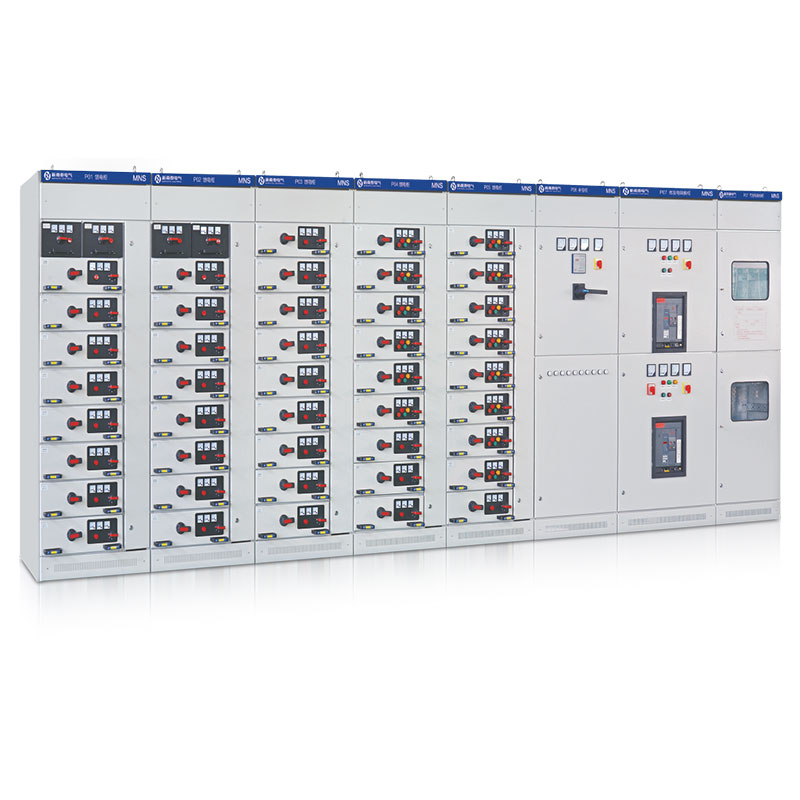
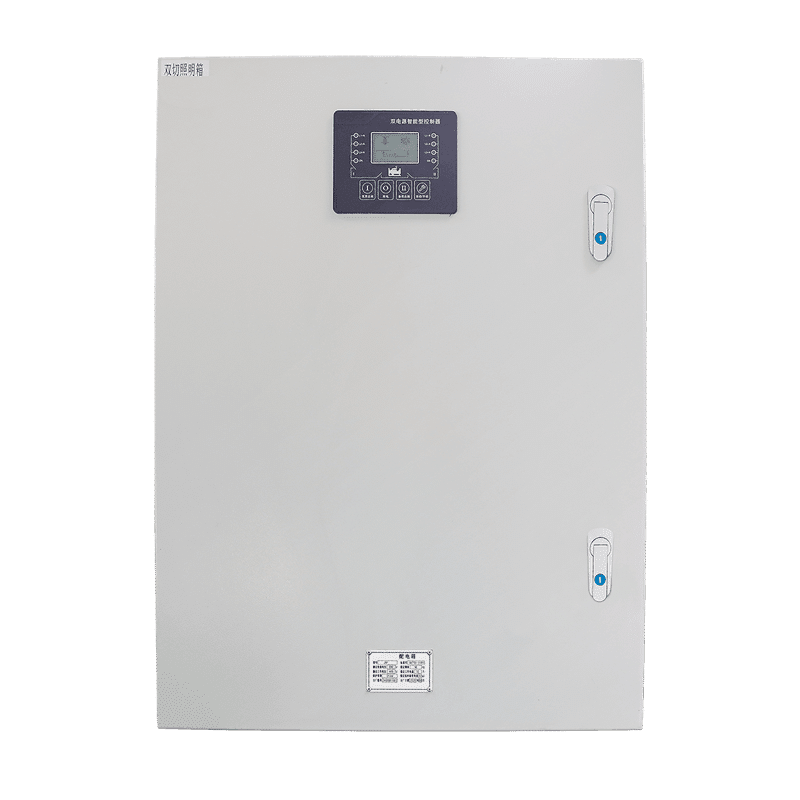
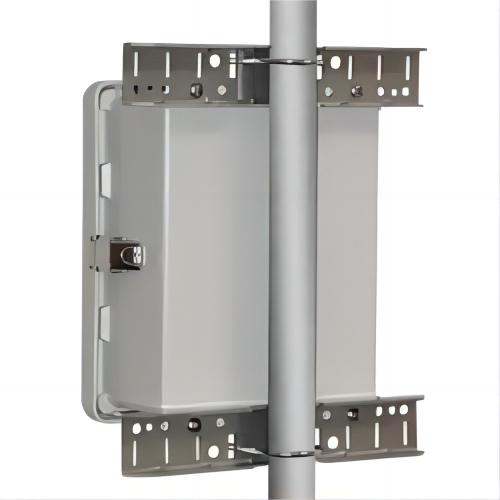
Leading High Voltage Switchgear Manufacturers
Key Features of High Voltage Switchgear
We are one of the most popular high and low voltage switchgear firms among electrical enterprises worldwide, with clients in more than 60 countries and increasing. There are several reasons why ElectricalCabinet is the best option for switchgear solutions:
- Space: Depending on your needs, Space High Voltage Switchgear offers switchgear in a variety of sizes. This allows you to choose the one that best suits the application and the available area.
- Reliability: Dependability A dependable method of guaranteeing there isn’t a power outage in any of your electrical components is using high voltage switchgear.
- Creepage distance: Distance of creeping This is the lowest distance between two conducting materials on the insulation’s surface.
- Clearance distance:The lowest distance that may pass through the air between two conducting materials is known as the clearance distance. It is essential for avoiding the dielectric breakdown caused by air ionization between two electrodes.
- Maintenance: When a failure occurs, maintenance is made easier by the high voltage switchgear’s easily accessible components.
High voltage switchgear manages transmission-class power — typically 72.5 kV and above — at grid substations, power plants, and large industrial intake points. Circuit breakers, disconnectors, instrument transformers, and busbar systems are engineered as one assembly to interrupt fault currents, isolate sections, and protect the network behind them, with gas-insulated (GIS) and air-insulated constructions dividing the application space.
We engineer HV switchgear scopes to the network study and site conditions, coordinating insulation coordination, ratings, and test evidence with your project requirements. ElectricalCabinet has built electrical enclosures and control systems since 2010, delivering more than 4,000 projects for industrial clients. Our fabrication covers CNC punching, bending, and welding, with custom cutouts, sizes, and surface finishes built to your drawings. Scope covers single bays through complete substation delivery, with installation supervision available.

Why Choose Us For Switchgear Elctrical ?
We are one of the most popular high and low voltage switchgear firms among electrical enterprises worldwide, with clients in more than 60 countries and increasing. There are several reasons why ElectricalCabinet is the best option for switchgear solutions:
High Voltage Switchgear FAQs
Electrical distribution systems need low-voltage switchgear. Electrical equipment is controlled, protected, and isolated using them. Common low voltage switchgear uses:
- Industrial Facilities: Low voltage switchgears operate machines and safeguard electrical circuits from overloads and short circuits in factories and refineries.
- Commercial Buildings: Low voltage switchgears provide power to lighting, HVAC, and other electrical equipment in offices, retail centres, and hospitals.
- Residential Complexes: They defend against faults and allow repair without affecting electricity supply in big residential buildings and complexes.
- Data Centers: Low voltage switchgears power servers and networking equipment in data centres, protecting them from electrical failures that might harm or lose data.
- Renewable Energy Systems: Solar and wind power projects employ low voltage switchgears to regulate and integrate renewable energy production into the electrical grid.
- Transportation Infrastructure: Airports, railway stations and ports employ low voltage switchgears to provide electricity to systems and equipment for dependability and safety.
- Utility and Power Generation: Power plants and substations distribute electricity and ensure electrical system safety with low voltage switchgear.
- Public Infrastructure: Street lights, traffic signals, and other public utilities use low voltage switchgears for safe and efficient power delivery.
These applications show how versatile and important low voltage switchgears are in maintaining dependable and safe electrical networks across industries.
Up to 1000V is the voltage rating for low voltage switchgear, while 36KV is the maximum. Low voltage switchgear is utilised in commercial, institutional, and industrial buildings, whereas high voltage is used in substations and other big electrical facilities.
When a specific power need is established and has to be properly distributed and managed, switchgear is employed.
Switchgear wouldn't be required in a residential property like a house since, unless the structure is really large, the power requirements are too low! A consumer unit, a miniature switchboard often restricted to a 100A @ 220V single phase supply, is a common element in residential structures. It makes a big difference that commercial or industrial switchgear may be rated up to 6300A @ 400V three phase!
The amount of high voltage switches we have in stock and the wait time we have for them all change. We do, however, usually have a lot of goods in stock that can be shipped right away. Custom requests may take longer, depending on what they need. We promise, though, that it will be one of the shortest on the market.
Yes, we can design a custom low voltage switchgear system to meet your specific requirements. We have the capability to build systems in a variety of configurations, voltages, and sizes.
General Applications of Voltage Switchgear
The voltage switchgear can be used in many ways to control power. It is an important part of power transmission networks, substations, power plants, industry centers, and transportation systems. Protecting power systems in coal-fired or hydroelectric plants or ensuring a steady flow of electricity in factories, trains, or ports—the voltage Switchgear is an important part of distributing electricity safely and efficiently.
Key Specifications & Options
The configuration below reflects the options we build to order for high voltage (HV) switchgear. Every parameter can be adjusted to match your drawings and site conditions — send us your requirements and our engineers will confirm what applies to your project.
| Parameter | Options / Typical Range |
|---|---|
| Voltage class | HV systems typically 72.5 kV and above |
| Construction types | Gas-insulated (GIS) and air-insulated (AIS) technologies |
| Interruption technology | SF6 and alternative-gas or vacuum interruption per voltage class and design |
| Applicable standards | IEC 62271 series for HV switchgear referenced in design and testing |
| Bay functions | Line, transformer, bus coupler, and metering/protection bays |
| Auxiliary systems | Protection relays, control wiring, and interlock schemes per project |
| Testing evidence | Routine and type-test documentation delivered with the equipment scope |
| Typical applications | Grid substations, power plants, large industrial intakes, renewable collection points |
Frequently Asked Questions
What voltage counts as high voltage?
Commonly 72.5 kV and above in international practice — above the medium-voltage industrial band. The boundary matters because testing, clearance, and standards regimes differ across it; our voltage-class guide covers the definitions.
When is GIS the right choice over AIS at high voltage?
GIS wins where footprint, pollution, seismic conditions, or weather exposure are severe — the switching function sits in sealed chambers. AIS wins on first cost and simplicity where space and air quality allow. The decision is made per site, not per rule.
What testing and documentation comes with HV switchgear?
Routine tests on every assembly and type-test references for the design family, plus insulation, interlock, and functional checks — all documented for handover. Project-specific witness testing is arranged where your specification requires it.
Do you support installation and energization?
Yes — installation supervision, pre-energization checks, and commissioning support are available as project services, coordinated with your site electrical team and schedule.
Related Guides
- High Voltage Switchgear 101: Basics for Beginners — the fundamentals of HV switchgear operation
- Understanding the Differences Between High, Medium, and Low Voltage Switchgear — how HV differs from the MV and LV classes
- Gas-Insulated Switchgear Manufacturers: Evaluation Inputs — how to evaluate GIS suppliers for HV projects
- Electrical Switchgear Safety and Life Expectancy: Essential Practices and Maintenance — safety practices around installed HV equipment