







IP44 Electrical Enclosure Rating
IP44 electrical enclosures offer reliable protection against solid objects and water splashes.
What is IP44 Enclosure Rating?
The IP44 Enclosure rating is a component of the Ingress Protection (IP) standard, which categorizes the level of defense an enclosure offers against liquid and solid object infiltration.

A IP44 Enclosure For Your Application
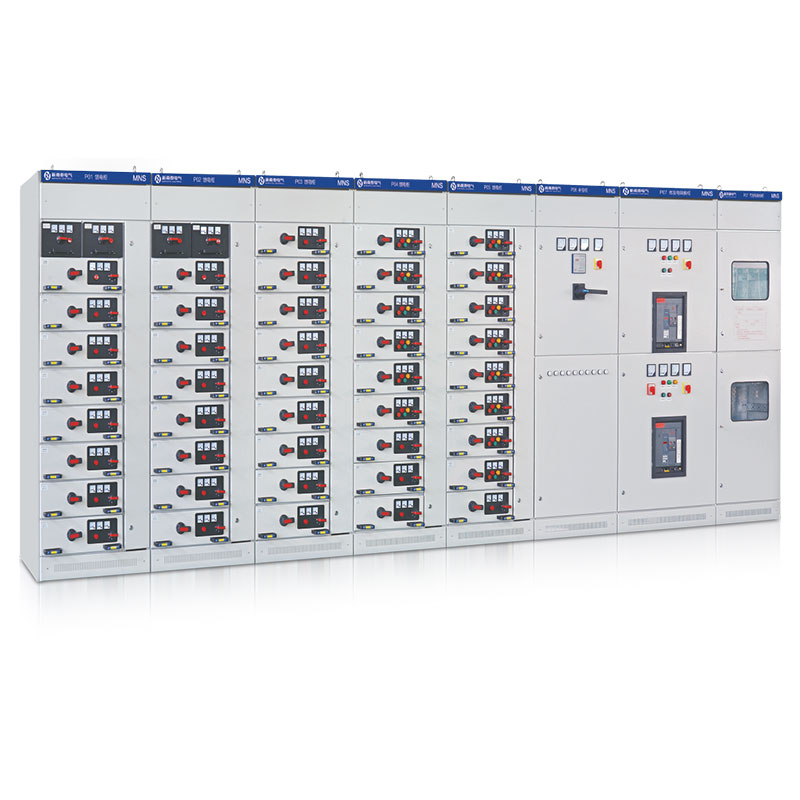
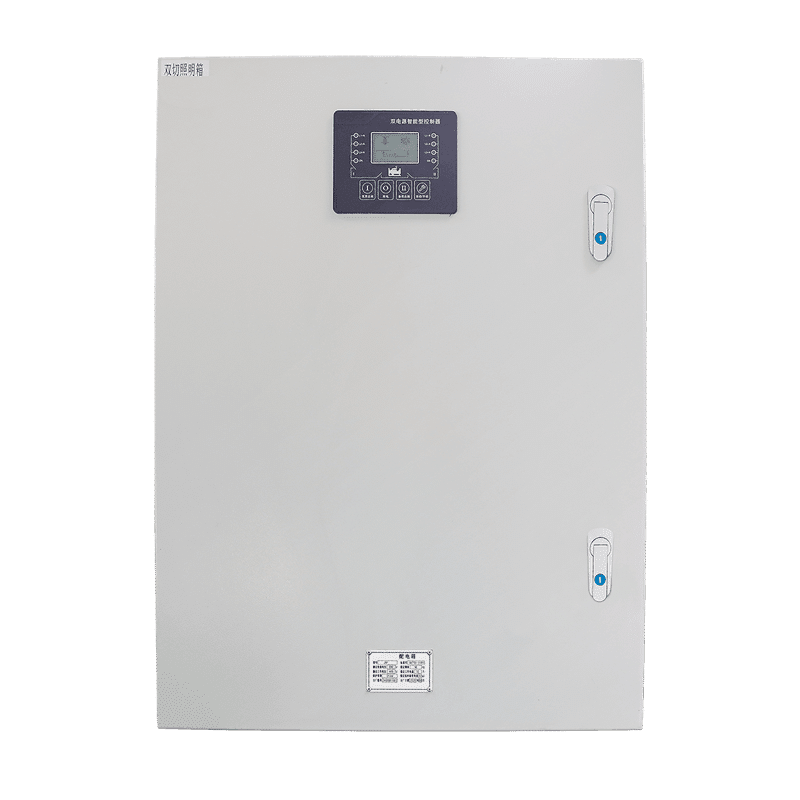
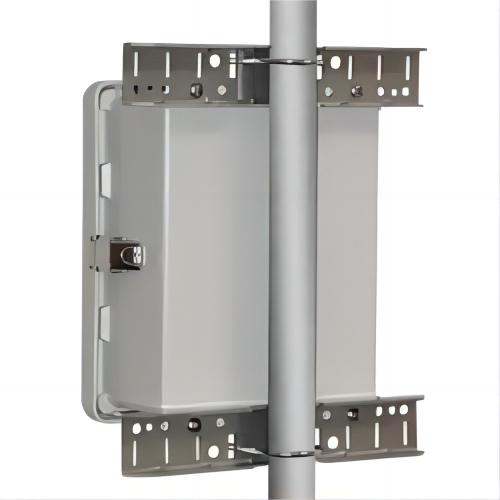
Some of the basic types of IP44 electrical enclosures that you’ll find on the market today include:
An IP44 electrical enclosure is the economical choice when equipment sits indoors and the threats are wires, tools, and occasional splashing rather than dust storms or hoses. Under IEC 60529 the first digit 4 blocks solid objects of 1 mm and larger, while the second digit 4 keeps out water splashed from any direction — a fit for general workshops, commercial utility rooms, and dry process areas.
We build IP44 rated enclosures in carbon steel, aluminum, and stainless steel, with gasketed doors and punched or drilled cutouts prepared for your terminals and DIN rails. ElectricalCabinet has fabricated enclosures since 2010 — more than 4,000 delivered projects built on CNC punching, bending, and welding lines, with every box finished to customer drawings.
Features of IP44 Enclosure
- IP44 (Ingress Protection) Rating: The "44" denotes the degree of protection, while the "IP" stands for Ingress Protection. Protection against solid items larger than 1mm, including cables or tiny tools, is indicated by the first digit, "4". Protection from water splashes from any direction is indicated by the second digit, "4".
- Solid Object Protection: To guard against interior damage and maintain equipment integrity, IP44 enclosures provide protection against the entry of solid objects bigger than 1mm.
- Water Ingress Protection: These enclosures are appropriate for locations where there may be occasional exposure to water splashes because they offer protection from water splashes from any direction.
- Construction: Made of sturdy materials like plastic, steel, or aluminum, these enclosures are made to endure exposure to the elements and offer dependable protection.
Advantages And Disadvantages For IP44 Enclosure
Advantages
- Solid and Water Protection: Ensures the lifespan of enclosed equipment by providing dependable defense against solid items larger than 1mm and water splashes from any angle.
- Versatile Use: Excellent for a variety of indoor and outdoor uses in commercial and industrial environments.
- Robust Construction: Constructed with robust materials to endure exposure to the elements and offer enduring defense.
Disadvantages
- Not Waterproof: IP44 enclosures may not be appropriate for situations involving a lot of rain or submersion in water since they are not completely waterproof.
Restricted Dust - Protection: Offers just a little defense against tiny dust particles, which might not be enough in extremely dusty conditions.
Custom Your IP44 Enclosure
The particular location, the size and kind of equipment to be housed, and any extra needs for protection against solid objects and water splashes should all be taken into account when choosing an IP44 electrical enclosure.
Create the perfect IP44 electrical enclosure based on your own requirements. Our bespoke IP44 enclosures are ideal for both indoor and outdoor applications because they provide dependable defense against water splashes and dust. Select from a range of dimensions, materials, and extra features to guarantee that your electrical equipment is protected in any setting.
Learn how to select the right size and material for your needs. Contact us for more information!
Related IP Enclosure Ratings
IP54 Electrical Enclosure
IP54 Electrical Enclosure Rating IP54 electrical enclosures offer moderate protection against solid objects and limited protection against water splashes, making
IP66 Electrical Enclosure
IP66 Electrical Enclosure Rating IP66 electrical enclosures offer reliable protection against solid objects and water splashes. Get A Quote What
IP67 Electrical Enclosure
IP67 Electrical Enclosure Rating IP67 electrical enclosures are designed to provide the highest level of protection for electrical equipment against
IP57 Electrical Enclosure
IP57 Electrical Enclosure Rating IP57 electrical enclosures offer reliable protection against solid objects and water splashes. Get A Quote What
IP55 Electrical Enclosure
IP55 Electrical Enclosure Rating IP55 electrical enclosures offer reliable protection against solid objects and water splashes. Get A Quote What
IP65 Electrical Enclosure
IP65 Electrical Enclosure Rating IP65 electrical enclosures offer reliable protection against solid objects and water splashes. Get A Quote What
Key Specifications & Options
The configuration below reflects the options we build to order for IP44 electrical enclosures. Every parameter can be adjusted to match your drawings and site conditions — send us your requirements and our engineers will confirm what applies to your project.
| Parameter | Options / Typical Range |
|---|---|
| Ingress rating (IEC 60529) | IP44 — first digit 4: protection against solid objects ≥1 mm; second digit 4: splashing water from any direction |
| Intended environment | Indoor general duty — workshops, electrical rooms, commercial and light industrial spaces |
| Body material options | Cold-rolled carbon steel (powder coated), aluminum, or 304 stainless steel |
| Wall thickness | Typically 1.0–2.0 mm depending on size and door span |
| Door sealing | Splash-rated gasket; continuous sponge or formed-in-place options |
| Mounting configurations | Wall mount, floor standing, flush, and pedestal builds |
| Customization | Cutouts, tapped holes, back panels, DIN rails, and terminal layouts to drawing |
| Upgrade path | IP54/IP55 gasket and finish upgrades when dust or low-pressure jets enter the specification |
Frequently Asked Questions
IP44 or IP54 — which one does my installation need?
Both share the same splash protection (second digit 4). The difference is dust: IP54 limits dust ingress so it cannot harm the equipment, while IP44 only screens objects of 1 mm and larger. In sites with airborne dust — grain, wood, or general workshop dust — IP54 is the safer specification.
Can I use an IP44 enclosure outdoors?
Not as a primary choice. IP44 handles splashing, not directed jets or prolonged rain. For exposed outdoor duty we quote IP65 or IP66 enclosures with UV-stable gaskets and rain roofs; IP44 remains suitable for covered, sheltered semi-outdoor positions.
Do you accept single-unit custom IP44 orders?
Yes. One-off and volume orders are both welcome. Send drawings or a component list and we confirm dimensions, material, cutouts, and a quotation.
Which material should I pick for an IP44 build?
Powder-coated carbon steel is the cost default for dry indoor rooms; aluminum saves weight and improves heat dissipation; 304 stainless suits humid or lightly corrosive areas. Material and finish are confirmed together at quotation.
Related Guides
- IP Rating vs NEMA Rating: How to Plan Electrical Enclosure Protection — how the two rating systems map onto real environments
- Electrical Enclosure Material Selection: How to Choose for the Environment — match material to the room before you fix the rating
- IP54 Electrical Enclosure — the dust-protected step up when airborne particles are present
 EN_GB
EN_GB  EN
EN  EN_ZA
EN_ZA  AR
AR  DE
DE  ES
ES  FR
FR  IT
IT  JA
JA  ZH
ZH  TR
TR  RU
RU  EN_CA
EN_CA  EN_AU
EN_AU  NL
NL  PT
PT  FA
FA