

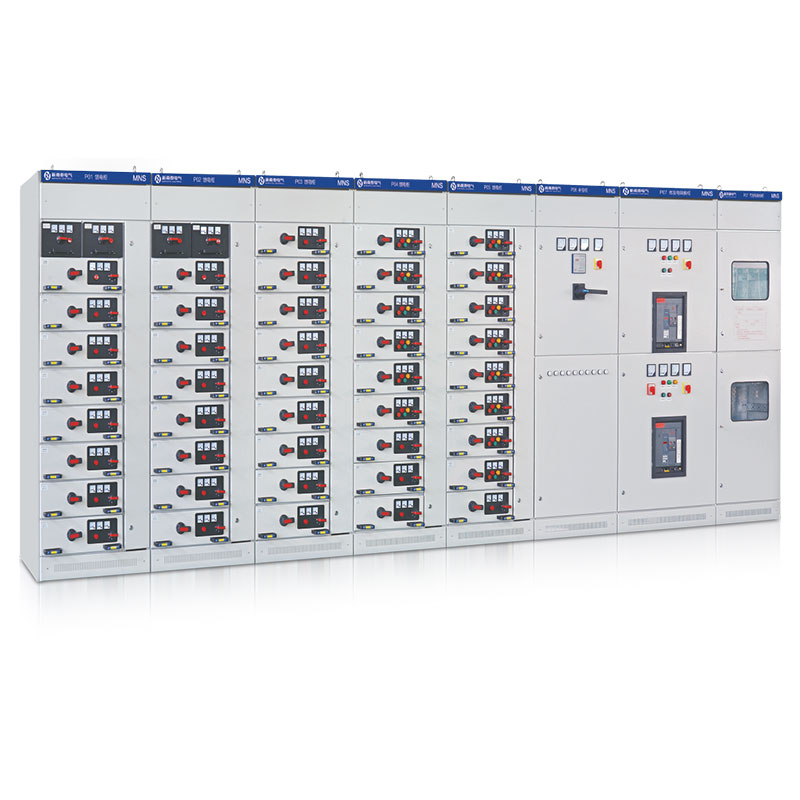


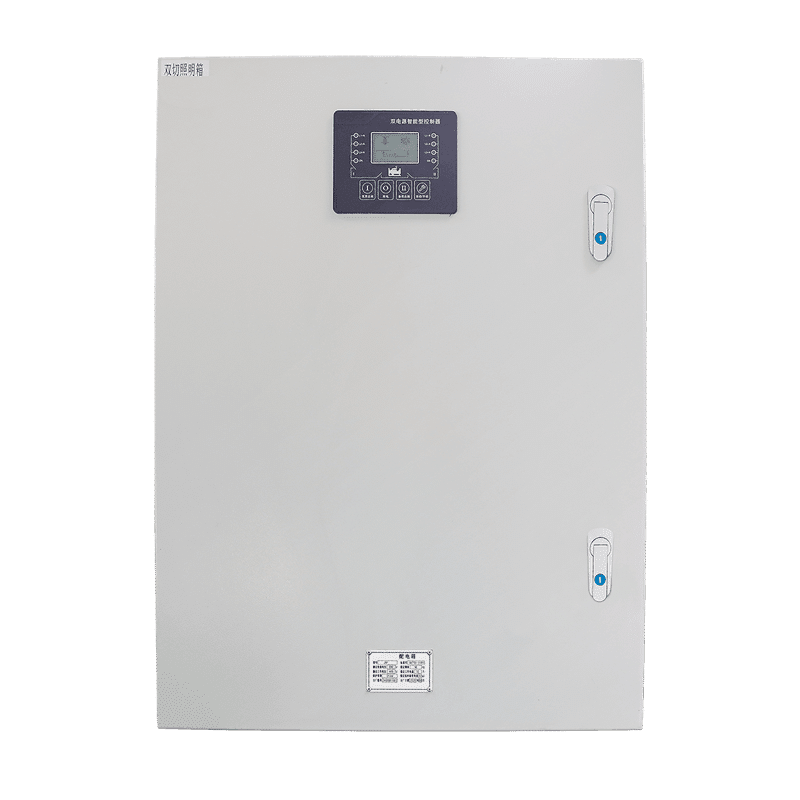


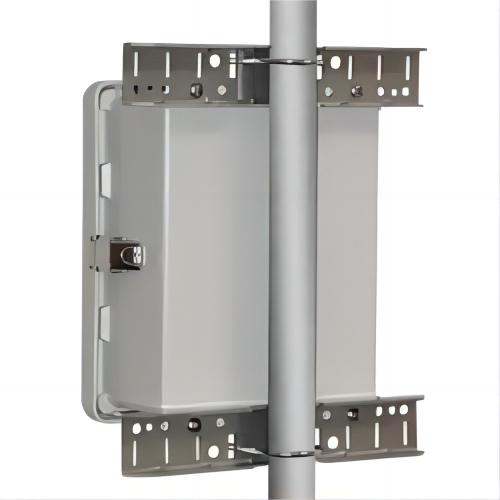


Define what must be monitored
An environmental monitoring panel may collect temperature, humidity, pressure, level, water quality, air quality, or equipment-status signals. The useful design starts with the measurement purpose, sensor range, alarm response, and data destination rather than a generic sensor list.
Design inputs
| Input | Why it matters |
|---|---|
| Point and sensor schedule | Defines quantity, range, accuracy, and signal type |
| Alarm matrix | Links thresholds to local indication, trips, and escalation |
| Sampling and retention | Determines PLC, logger, gateway, or SCADA needs |
| Power and redundancy | Identifies control voltage, UPS, and restart behavior |
| Network and remote access | Defines protocols, ownership, backups, and service boundary |
| Site environment | Affects enclosure, mounting, cable entry, condensation, and EMC |
Documentation and responsibility
Provide sensor data sheets, point list, ranges, alarm matrix, network diagram, panel layout, cable schedule, power requirements, and required reports. State who supplies field instruments, calibration, programming, dashboard configuration, commissioning, and acceptance testing.
Scope boundary
This is an instrumentation and control-panel planning guide, not a calibration certificate, environmental compliance statement, or validated monitoring result. The process and instrumentation engineer must approve the final measurement method.
ElectricalCabinet.net can coordinate monitoring panels with sensors, PLC/remote I/O, communications, power, enclosure, and documentation interfaces.
 EN_GB
EN_GB  EN
EN  EN_ZA
EN_ZA  AR
AR  DE
DE  ES
ES  FR
FR  IT
IT  JA
JA  ZH
ZH  TR
TR  RU
RU  EN_CA
EN_CA  EN_AU
EN_AU  NL
NL  PT
PT  FA
FA