







Stainless Steel Enclosures

Stainless Steel Electrical Enclosure
Stainless steel electrical enclosures offer protection in both indoor and outdoor applications. Enclosures made of 304-316 stainless steel provide corrosion-resistant, waterproof, and weatherproof protection.
NEMA stainless steel enclosures are appropriate for a variety of sectors, including food and beverage, pharmaceutical, and oil and gas.
Stainless steel electrical enclosures are the standard choice for wash-down, food and beverage, pharmaceutical, chemical, and coastal installations where carbon steel rusts and aluminum pits. Grade 304 covers most indoor and general outdoor corrosion duty; grade 316, with its added molybdenum, is specified where chlorides, salt spray, or aggressive cleaning chemicals are present.
We manufacture stainless steel enclosures with fully welded and ground seams for a smooth, drainage-friendly surface that survives high-pressure hosing. ElectricalCabinet has built electrical enclosures since 2010, delivering more than 4,000 projects for industrial clients. Our fabrication covers CNC punching, bending, and welding, with custom cutouts, sizes, and surface finishes built to your drawings. Typical builds include control enclosures, junction boxes, and operator interfaces in 304 or 316, with your choice of finish and mounting arrangement.
Feature of Stainless Steel Enclosures
Stainless steel enclosures is a long-lasting alternative for safeguarding your electrical equipment. Features of stainless steel include:
- Toughness:Stainless steel is a durable material that can withstand extreme circumstances, including unintentional damage.
- Non-corrosive:This substance is very resistant to corrosion and rust.
- Hygienic: Because stainless steel is nonporous, it inhibits the growth of bacteria and germs.
- Temperature Stability: This substance is fireproof and stable at freezing temperatures.
Application of Stainless Steel Enclosures
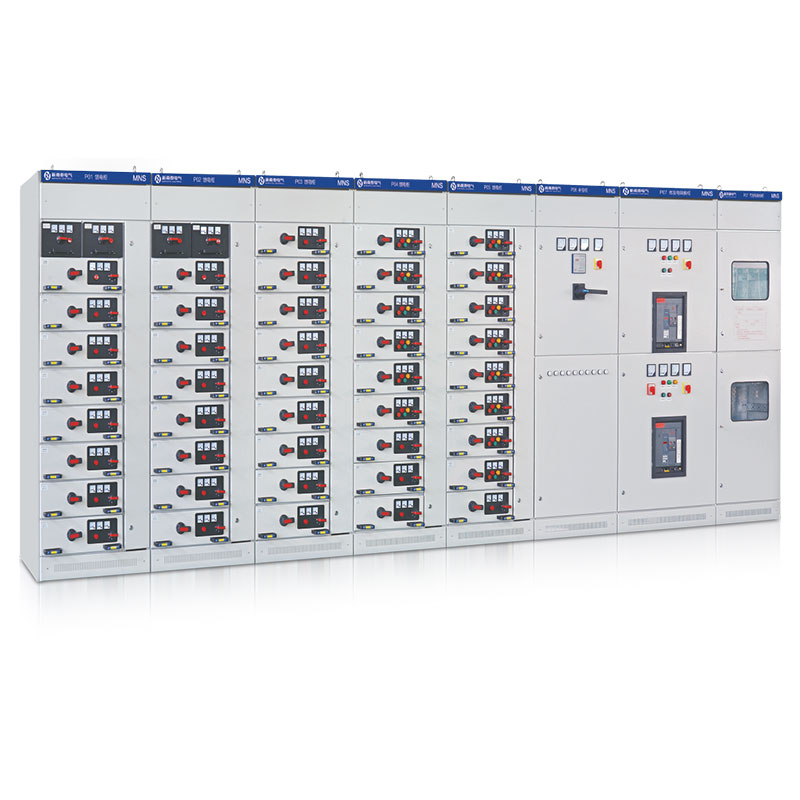
Free-standing electrical enclosure is designed for:
- Electrical terminals
- Controls
- Instruments
- Electronic pieces of equipment
- Transformers
- Systems
Custom Stainless Steel Enclosures
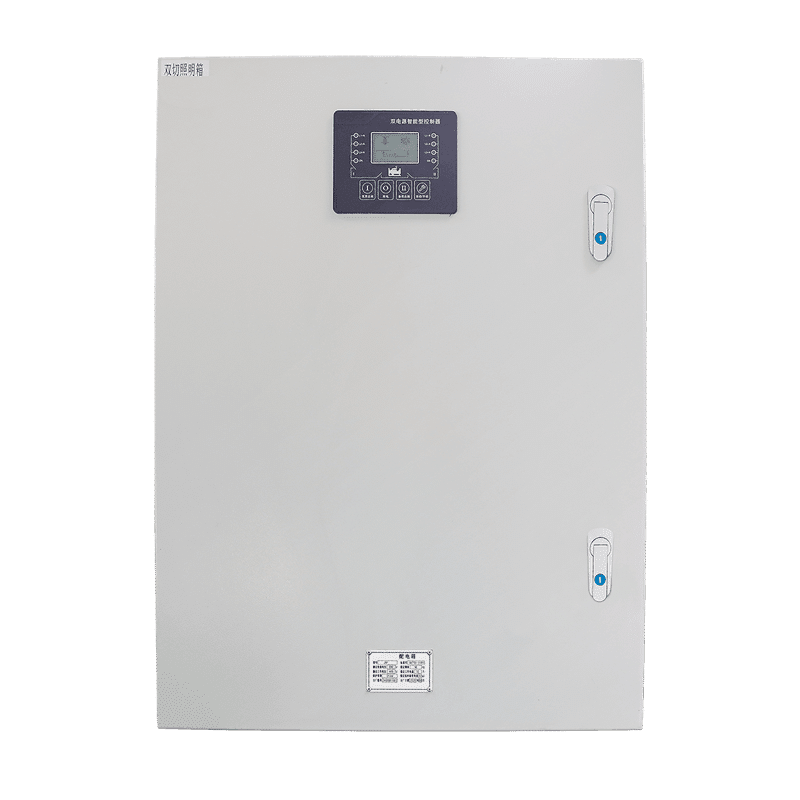
ElectricalCabinet provides cabinets in a variety of configurations, allowing you to pick the size and positioning of the doors. Our typical setups are: Large single door、Double door、Front and rear door, etc
In addition to selecting your cabinet configuration, you may choose from several personalization choices. We can convert a conventional stainless steel cabinet into an enclosure that meets every requirement. Our engineers will develop a drawing for your approval before proceeding with the production of your unique item.
Personalize your cabinet with your choice of:
- Finishes: Finish choices add an added layer of protection to stainless steel.
- Heating and Air Conditioning: Climate control options for heating and cooling ensure that the temperature within the cabinet remains stable.
- Fan kit (NEMA 3R):A fan will circulate the air to maintain temperature stability. Insulation: Insulating your electrical enclosure helps to control the internal temperature.
- Electrical Integration: Electrical components like overhead lights and door alarms might be factory-fitted or sent separately.
- Racks & Shelves:We can create bespoke shelves and racks for any space in your cabinet.
Style For Stainless Steel Enclosures


Related Enclosuree By Material
Key Specifications & Options
The configuration below reflects the options we build to order for stainless steel electrical enclosures. Every parameter can be adjusted to match your drawings and site conditions — send us your requirements and our engineers will confirm what applies to your project.
| Parameter | Options / Typical Range |
|---|---|
| Body material | Stainless steel sheet — 304 for general duty, 316 for chloride and chemical exposure |
| Wall thickness | Typically 1.0–2.0 mm depending on size and duty |
| Protection rating | IP66 configurations with continuous gasket sealing; outdoor rain-roof options |
| Construction | Seams fully welded and ground smooth; hygienic radius corners on request |
| Surface finish | Brushed, bead-blasted, or polished; passivation available for corrosion-critical duty |
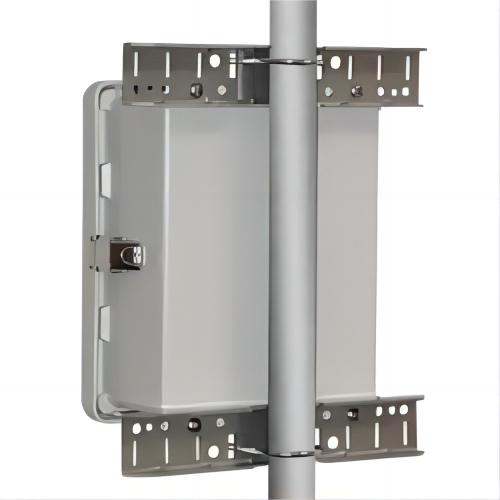
| Mounting styles | Wall mount, floor stand, pedestal, and machine-mounted configurations |
| Customization | Cutouts, viewing windows, door interlocks, back panels, and dimensional changes |
| Typical applications | Food processing, beverage bottling, pharma clean rooms, water treatment, marine and coastal plants |
Frequently Asked Questions
When do I need 316 instead of 304 stainless steel?
Choose 316 when the enclosure faces salt spray, coastal air, de-icing salts, or chloride-containing cleaning agents — the molybdenum in 316 substantially improves pitting resistance. For dry indoor industrial areas and general outdoor use, 304 is usually sufficient and more economical.
Are these enclosures suitable for wash-down areas?
Yes. Fully welded and ground seams, smooth surfaces, and IP66 door sealing are designed for frequent high-pressure hosing. We review drain angles, gasket material, and component rating with you for food-grade installations.
Can you build stainless enclosures to my drawings and dimensions?
Yes. Custom sizes, cutouts, window openings, and mounting arrangements are our standard way of working. Send drawings or requirements and we will confirm grade, thickness, and finish at quotation.
What is the lead time for a custom stainless enclosure?
Lead time depends on design complexity, quantity, and surface treatment. Simple modified builds move faster than fully welded hygienic constructions; you receive a confirmed schedule together with your quotation.
Related Guides
- Electrical Enclosure Material Selection: How to Choose for the Environment — environment-first material selection before specifying the grade
- Metal vs Steel Electrical Enclosures: Terminology, Materials, and Selection Inputs — terminology and material families compared for specification work
- Electrical Enclosure Condensation and Ventilation: Planning Guide — humidity control inside stainless enclosures in wash-down duty
- UL Listed vs UL Certified Enclosures: How to Read Supplier Evidence — how to read certification evidence when comparing enclosure suppliers
 EN_GB
EN_GB  EN
EN  EN_ZA
EN_ZA  AR
AR  DE
DE  ES
ES  FR
FR  IT
IT  JA
JA  ZH
ZH  TR
TR  RU
RU  EN_CA
EN_CA  EN_AU
EN_AU  NL
NL  PT
PT  FA
FA